
Breast and Cervical Cancer

Share

Mammograms save lives. But, even today, too many women don't have access to lifesaving breast and cervical cancer screenings.

We are working in Congress and in every state legislature to ensure funding for the federal cancer screening and early detection program that has already helped millions of women and saved thousands of lives.

More than 40,000 women will die from breast cancer this year, while over 13,000 will be diagnosed with cervical cancer.  We're working to convince Congress to increase funding for breast and cervical cancer research that could lead to new medical breakthroughs and save more lives.

Take Action

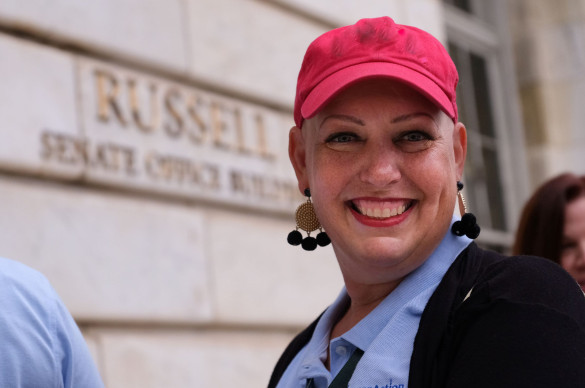
Volunteer with a pink had participating in Lobby Day

Mammograms save lives! Urge Congress to help make them available

Urge Congress to reauthorize the program that provides free and low-cost breast and cervical cancer screenings to people who might not otherwise be able to afford them. 

Latest Updates

February 2, 2026
Oregon

SALEM, Oregon –– Cervical cancer screenings save many Oregonian lives, but too often patients must make significant financial sacrifice for a full, clear diagnosis and some simply cannot afford to get to the bottom of a potentially deadly initial screening result. The Oregon Legislature has an opportunity to bridge that

February 2, 2026
Utah

On Friday, the Social Services Appropriations Committee held a public hearing to consider health funding cuts, including potential reductions to the state’s Medicaid program, namely breast and cervical cancer treatment coverage. Funding for 12-month postpartum coverage was originally going to be discussed but was tabled by committee chairs. The American

January 28, 2026
Alabama

MONTGOMERY, Ala. – The Alabama House Insurance Committee passed multiple bills Wednesday that would increase access to crucial cancer care for Alabamians with state-regulated health insurance plans. The first two, House Bill 40 and Senate Bill 19 , would eliminate cost sharing for lifesaving prostate cancer

January 21, 2026
Maryland

With the imminent release of Governor Wes Moore’s executive budget proposal, cancer survivors are increasingly anxious about what this budget will mean for three key line items. They are hopeful that the state restores funding for the tobacco control program and maintains its investments in the Breast and Cervical Cancer Diagnosis and Treatment Program (BCCDT) as well as ongoing research at the University of Maryland Medical System Stewart Greenebaum Cancer Center and the Johns Hopkins University Sidney Kimmel Cancer Center. Their message to the governor and General Assembly: cancer prevention and early detection and the research behind modern screening, treatment and prevention tools are critical in the fight against cancer.

Breast and Cervical Cancer Resources

Young women in the U.S. are increasingly being diagnosed with breast cancer. About 16% of all new cases of breast
cancer in the U.S. are in women younger than 50. The impact on young women’s lives can be devastating, as breast

La División de Prevención y Control del Cáncer de los Centros para el Control y la Prevención de Enfermedades (CDC) supervisa el Programa Nacional de Detección Temprana del Cáncer de Mama y de Cuello Uterino (NBCCEDP).

The CDC’s Division of Cancer Prevention and Control (DCPC) plays a crucial role in providing millions of screening exams, funding state cancer registries, providing technical assistance and funding to state cancer control programs and educating the public directly on how to reduce their risk of c