Young Leaders Caucus

Share

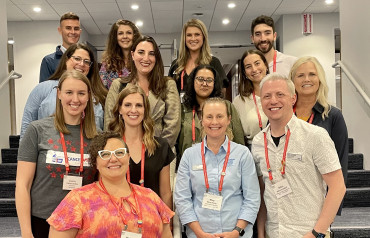
Young Leaders Summit participants

About the Young Leaders Caucus

The American Cancer Society Cancer Action Network Young Leaders Caucus is the ideal space for volunteers, aged 18-35, to connect and engage in cancer advocacy throughout the year. The Young Leaders Caucus fosters opportunities to connect young people to the work of ACS CAN and to others with similar interests. We work to elevate the perspectives of young people, including cancer survivors, about childhood and AYA, to inform and influence ACS CAN priorities and considerations.

Meet the steering committee! These are the volunteer leaders of the YLC.  Learn more their role in the YLC

Check out photos from our various events here.

We release quarterly newsletters detailing our activity,  upcoming events, and any timely announcements.

Find out what is happening next with ACS CAN and the YLC.

Find all the resources you need to get more engaged with the YLC.

Find a list of our working groups and their ongoing projects here.

Latest Updates

June 1, 2026
National

The U.S. Centers for Medicare & Medicaid Services (CMS) released today an interim final rule on work requirement implementation in Medicaid.

May 27, 2026
National

Today, 60 organizations representing millions of cancer patients and survivors as well as the providers who care for them sent a letter to Health and Human Services (HHS) Secretary Kennedy conveying the importance of the US Preventive Services Task Force (USPSTF) in the fight against cancer and urging protection for the integrity of its work.

May 18, 2026

Late Friday, the Department of Health and Human Services (HHS) and the Centers for Medicare and Medicaid Services (CMS) released a final rule on the Patient Protection and Affordable Care Act HHS Notice of Benefit and Payment Parameters (NBPP) for plan year 2027. In March, the American Cancer Society Cancer

May 13, 2026

WASHINGTON, DC – According to a new American Cancer Society Cancer Action Network (ACS CAN) survey, more than half (53%) of cancer patients and survivors living in rural communities find it difficult to afford their cancer care. Half have incurred medical debt related to the costs of that care,