Childhood Cancer Research

Share

About 9,680 children in the United States under the age of 15, and 5,660 adolescents (age 15-19) will be diagnosed with cancer in 2026. An estimated 1,820 children and adolescents are expected to die from cancer in 2026.

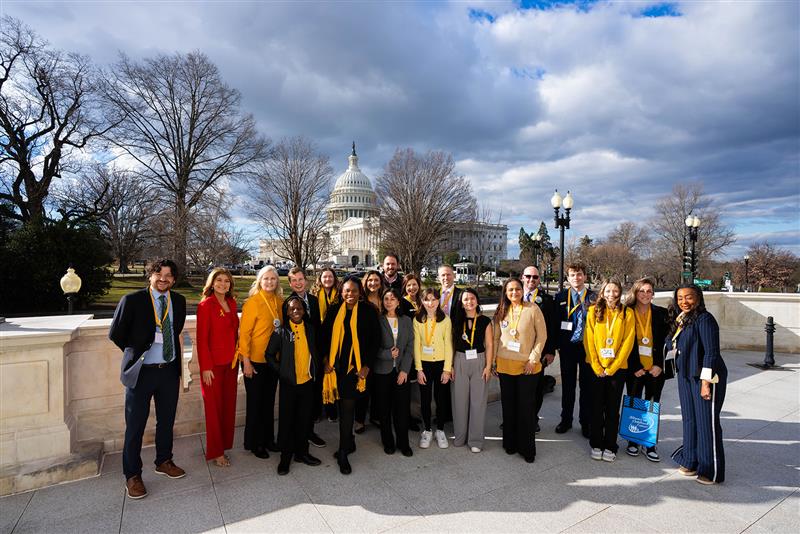
Group of advocates in yellow for childhood cancer action day

In February, ACS CAN volunteers joined other cancer patients, survivors and family members from 40 states and the District of Columbia in the nation’s capital for the 15th Annual Alliance for Childhood Cancer Action Days, a two-day event organized by the Alliance for Childhood Cancer, of which ACS CAN is a member. 


Cancer is the leading disease-related cause of death for children aged 1-19.

While cancer is much rarer in children compared to adults, the disease can take a tremendous toll because it strikes so early in life and survivors face high rates of late effects that can last a lifetime.

Childhood Cancer Landscape and Recommendations

 

Latest Updates

September 29, 2026
National

A new joint report released today by the American Cancer Society Cancer Action Network (ACS CAN) and the Alliance for Childhood Cancer examines the current state of childhood cancer.

September 3, 2026

At six years old, Kai was like any other child: vivacious, curious, and ready to take on the world. But when unexplained symptoms left him constantly ill, his family grew concerned. One morning, he woke up with a large lump on his abdomen, and his mother knew they needed to

July 13, 2026
National

Today, the American Cancer Society and the American Cancer Society Cancer Action Network submitted a comment letter to the Office of Management and Budget strongly opposing a proposed rule that would change the federal government’s grantmaking framework.

January 20, 2026
National

Today, the Congressional Appropriations Committees released the FY2026 Labor, Health and Human Services, Education and Related Agencies appropriations bill that reaffirms the bipartisan commitment to advancing cancer research and saving lives by continued and increased funding for the National Institutes of Health (NIH) and the National Cancer Institute (NCI).

Childhood Cancer Research Resources

Progress in improving childhood cancer outcomes relies on regular, federal investment in childhood cancer research, including continued funding for the Childhood Cancer Survivorship, Treatment, Access, and Research (STAR) Act and Childhood Cancer Data Initiative (CCDI). 

ACS CAN has been involved in a number of significant successes for childhood cancer appropriations including The Childhood Cancer Survivorship, Treatment, Access, and Research (STAR) Act and Childhood Cancer Data Initiative (CCDI).

This report examines the drug development landscape for childhood cancer, identifying scientific, logistical, economic and ethical challenges that are unique to pediatric cancer drug development. 

  •