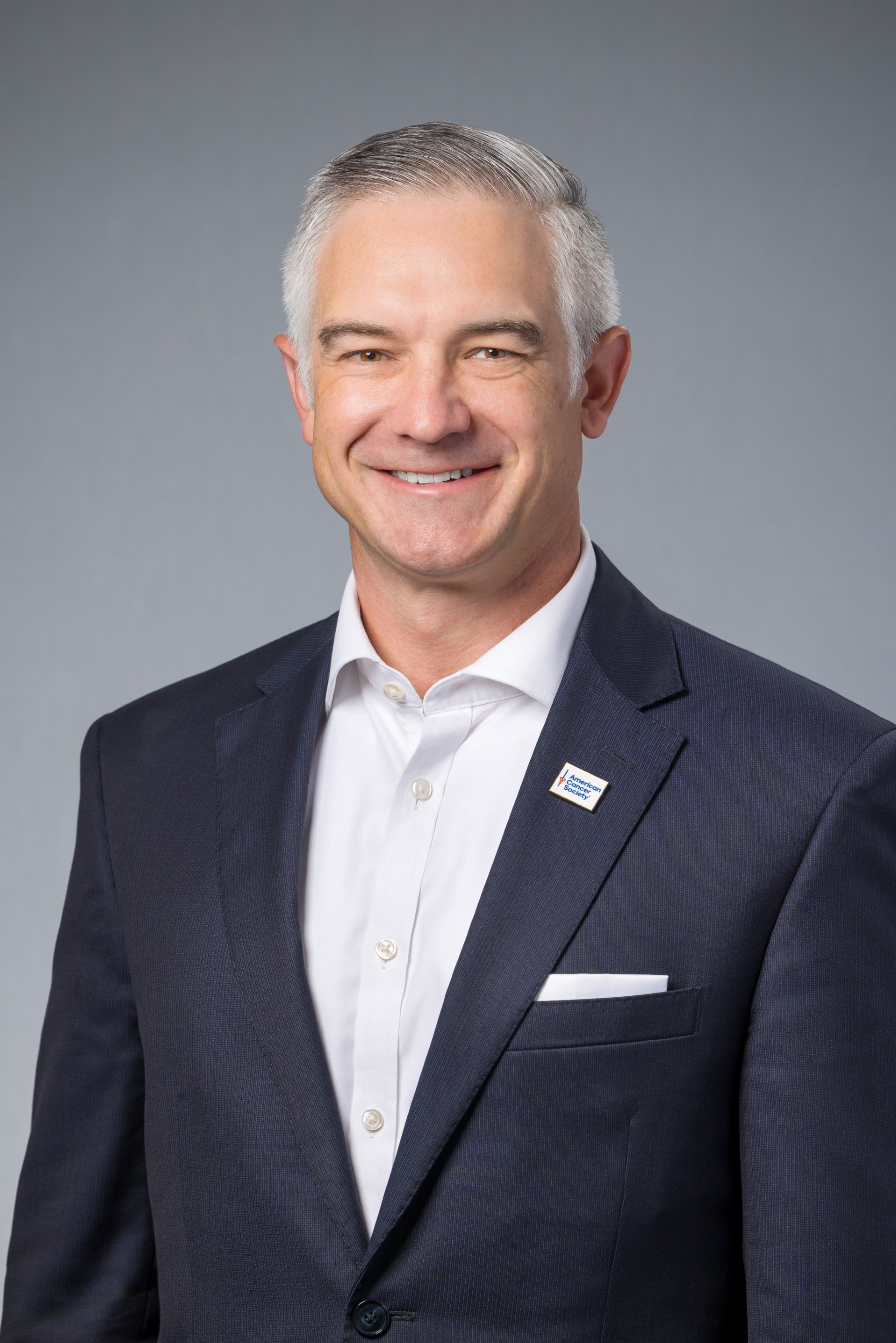
A Message from American Cancer Society Cancer Action Network Chief Executive Officer Shane Jacobson
We are living in a time of unprecedented discovery in cancer prevention, early detection, and treatments. Advancements in cancer care have driven the death rate from the disease down 34 percent since 1991. More Americans are surviving cancer than ever before, with 18 million cancer survivors living in the US today.
The American Cancer Society (ACS) and the American Cancer Society Cancer Action Network (ACS CAN) are committed to building on these successes and improving the lives of people with cancer and their families. By working to apply what we know and investing in areas where we don’t, we are maximizing our collective impact on our mission. We’re focusing on prevention and early detection, cancer research and discovery, and cancer health disparities, delivering measurable impact with every dollar, every life, every year.
Despite progress, the cancer burden remains high. That’s why we’re starting with what we know works: focusing on prevention and early detection as the most powerful tool in our toolbox. Screening and early detection have averted millions of deaths, and 40 percent of cancer cases are linked to modifiable risk factors such as smoking, poor diet, and inactivity. In 2024 ACS provided direct support and education for people with cancer, caregivers, and clinicians in more than 22,000 communities in the US and across 60 countries.
As the largest private, nonprofit funder of cancer research outside of the federal government, ACS also knows that breakthroughs in research drive innovation – but they must be matched by accessibility and affordability. ACS is proud to fund more than $524 million in active grants, but health care is a team sport. No organization, provider, or system has all the answers or reach.
We also know that cancer affects everyone, but not equally. Cancer health disparities persist across racial, geographic, and socioeconomic lines. Cancer detection and treatment disparities continue to widen among Americans in minority and underserved communities. These inequities demand immediate action. ACS and ACS CAN work to ensure everyone has access to the care and resources they need to help prevent, detect, treat, and survive cancer.
Thank you for supporting our lifesaving work. We know innovation without equity is not progress – and you make this progress possible. With your help, we are making the cancer patient voice heard from city halls to the halls of Congress.
Together, we are ending cancer as we know it, for everyone.

Shane Jacobson
Chief Executive Officer
American Cancer Society and American Cancer Society Cancer Action Network
To our Amazing ACS CAN Volunteers, Team Members & Supporters,
2025 was a year that yet again displayed the criticality of elevating our voices in the fight against cancer. The policy environment has been difficult for our mission with the July passage of the Budget Reconciliation Bill, impacting access to affordable access to health insurance coverage both in Medicaid and Marketplaces nationwide. Initial estimates project as many as 10 million fewer people will have health insurance by 2034; additionally, without action to extend enhanced health care tax credits, 4.2 million more could be priced out of coverage. These are not just numbers. Evidence has proven over and over the importance of health insurance to prevent, detect, treat and survive cancer. Loss of coverage impacts cancer outcomes for patients, their families, and so many futures, and underscores why our advocacy is essential. Your relentless efforts ensured the importance of access to care to our cancer mission was top of mind for every member of Congress throughout the debate. Although the outcome was not what we had hoped, our impact was undeniable.
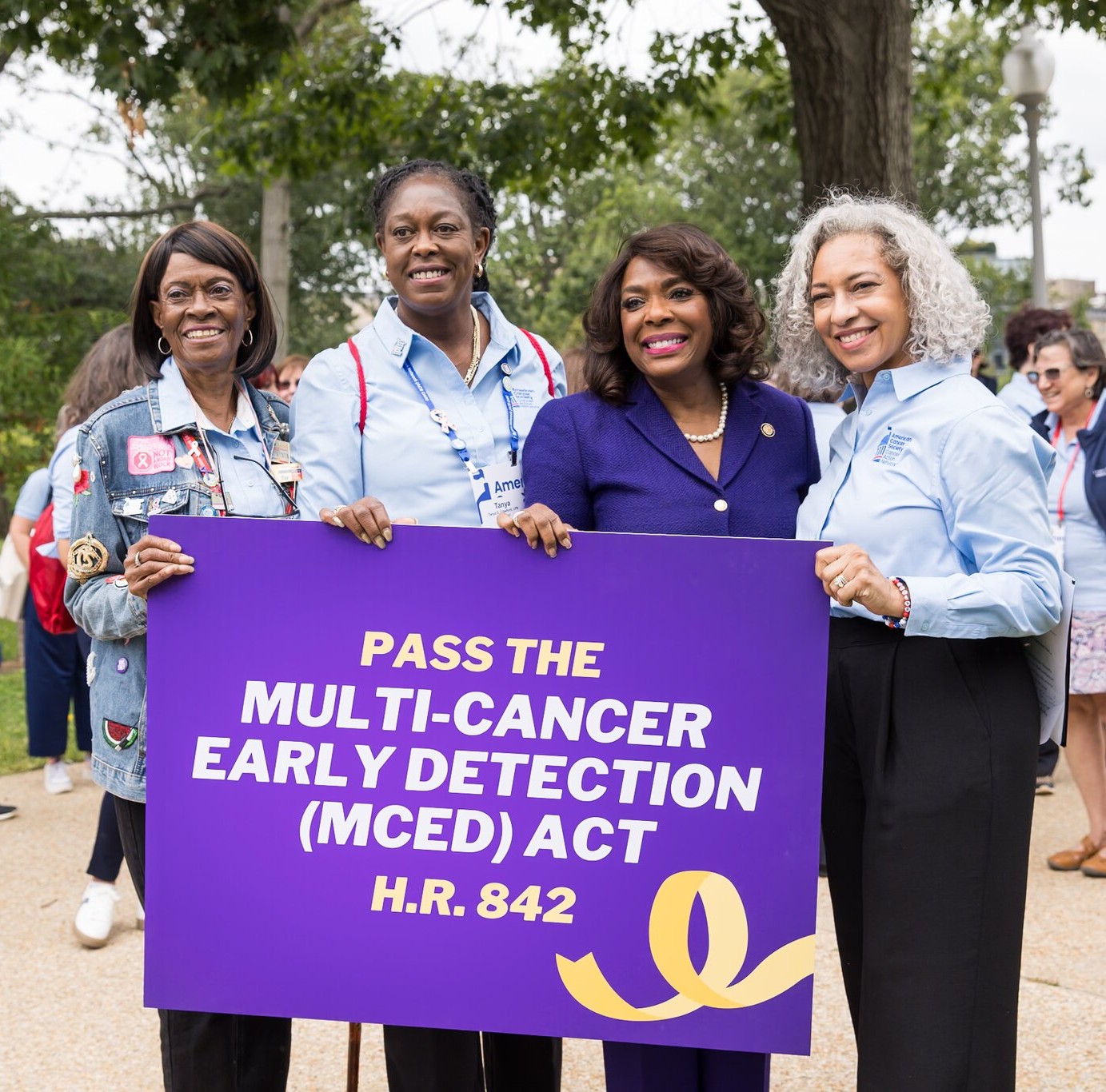
Against this backdrop, there were also many examples of ACS CAN delivering extraordinary progress. The Medicare Multi-Cancer Early Detection Screening Act (MCED) became the most cosponsored bill in the 119th Congress. This milestone reflects the power of thousands of calls, letters, and meetings from volunteers like you. We continue to champion affordability through the Health Care Affordability Act and advocate for a multitude of policy interventions that help make access to care more affordable.
Our ongoing fight for research funding never wavers. We called on Congress to invest in lifesaving innovation, pushing for $51.3 billion for NIH, including $7.934 billion for NCI, $1.5 billion for ARPA-H, and $472.4 million for CDC cancer programs. These investments fuel breakthroughs that change lives, and we will never stop demanding progress.
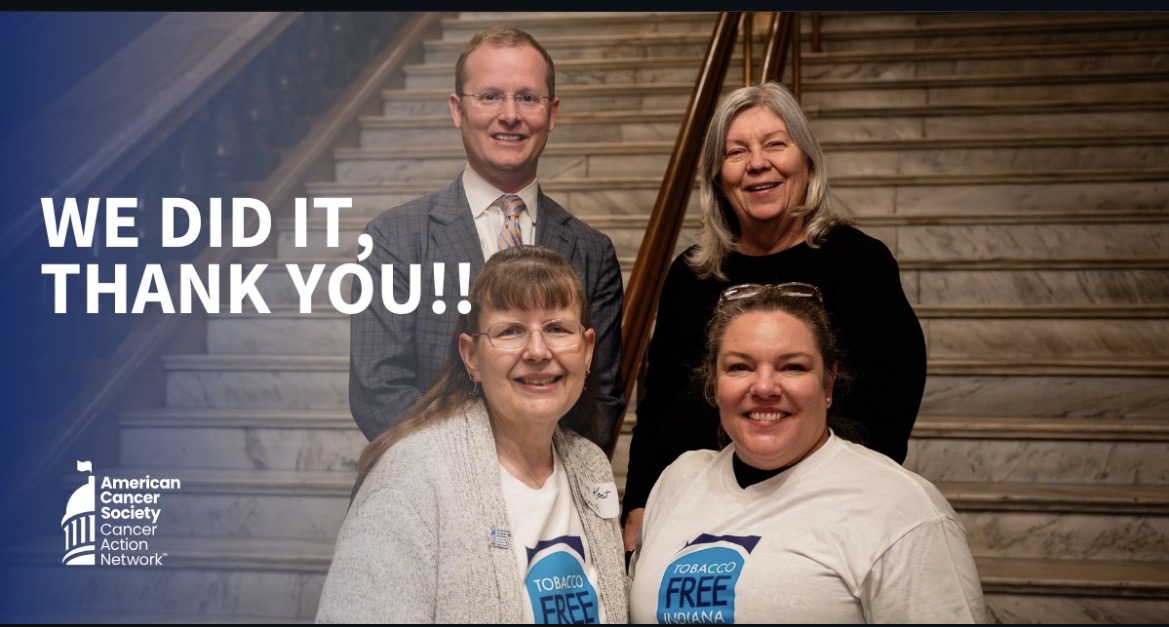
At the state level, the impact on our mission is undeniable. We continued leading the charge to pass biomarker testing legislation across the country, and in 2025 we now have 22 states ensuring access to precision medicine for countless patients. We eliminated out-of-pocket costs for breast cancer diagnostic screenings in seven states, ensuring early detection is not a financial burden. We fought for stronger tobacco control laws, defeated Big Tobacco-backed rollbacks in more than 15 states, and celebrated significant victories in Indiana and Maine with increased tobacco taxes to fund more tobacco control programs and to keep tobacco products out of the hands of children. We also made strides towards health care affordability. States from Virginia to Washington passed laws to protect patients from medical debt and stop harmful copay accumulator practices.
The past year also reminded us of why representation matters. We're building a unified framework to align our engagement, messaging and metrics for health equity. In a year marked by divisiveness and attacks on civil and human rights, ACS CAN’s Volunteer Leadership Affinity Groups led the way, playing a significant role in fostering community and belonging by providing safe spaces for people with shared identities and experiences to connect and support one another. They have helped ACS CAN create a more inclusive environment and experience for existing and new volunteers.
As we look ahead, we do so with resolve. The challenges are real, but so is our momentum. ACS CAN is advancing our mission and expanding our impact through renewed and deeper investment in our critical work. Central to this progress is our community of visionary donors and supporters, whose commitment powers ACS CAN’s leadership in shaping public policy that strengthens cancer prevention, fuels research, and expands equitable access to care. Together, we are charting a bold path forward. Thank you to everyone who continues to propel our mission and help secure its lasting success.
Thank you to all ACS CAN volunteers, State Lead Ambassadors, Vice State Lead Ambassadors, Ambassador Constituent Team Leads, Legislative Ambassadors, affinity group leaders and members, the ACS CAN and ACS Boards of Directors, and team members for your unwavering dedication to this work. I am excited for our continued partnership and advocacy in the coming year.
ACS CAN is energized by a shared commitment to move our mission forward and expand our impact through meaningful investment in the work that matters most. At the center of everything we do is our incredible community of volunteers, generous donors, and passionate supporters, whose dedication inspires our ongoing efforts to shape public policies that strengthen cancer prevention, fuel research, and ensure access to quality care for all. Together, we are building a hopeful and bold future, and we are deeply thankful to each of you for the role you play in powering our mission and making lasting progress possible.

Lisa A. Lacasse, MBA
President, ACS CAN
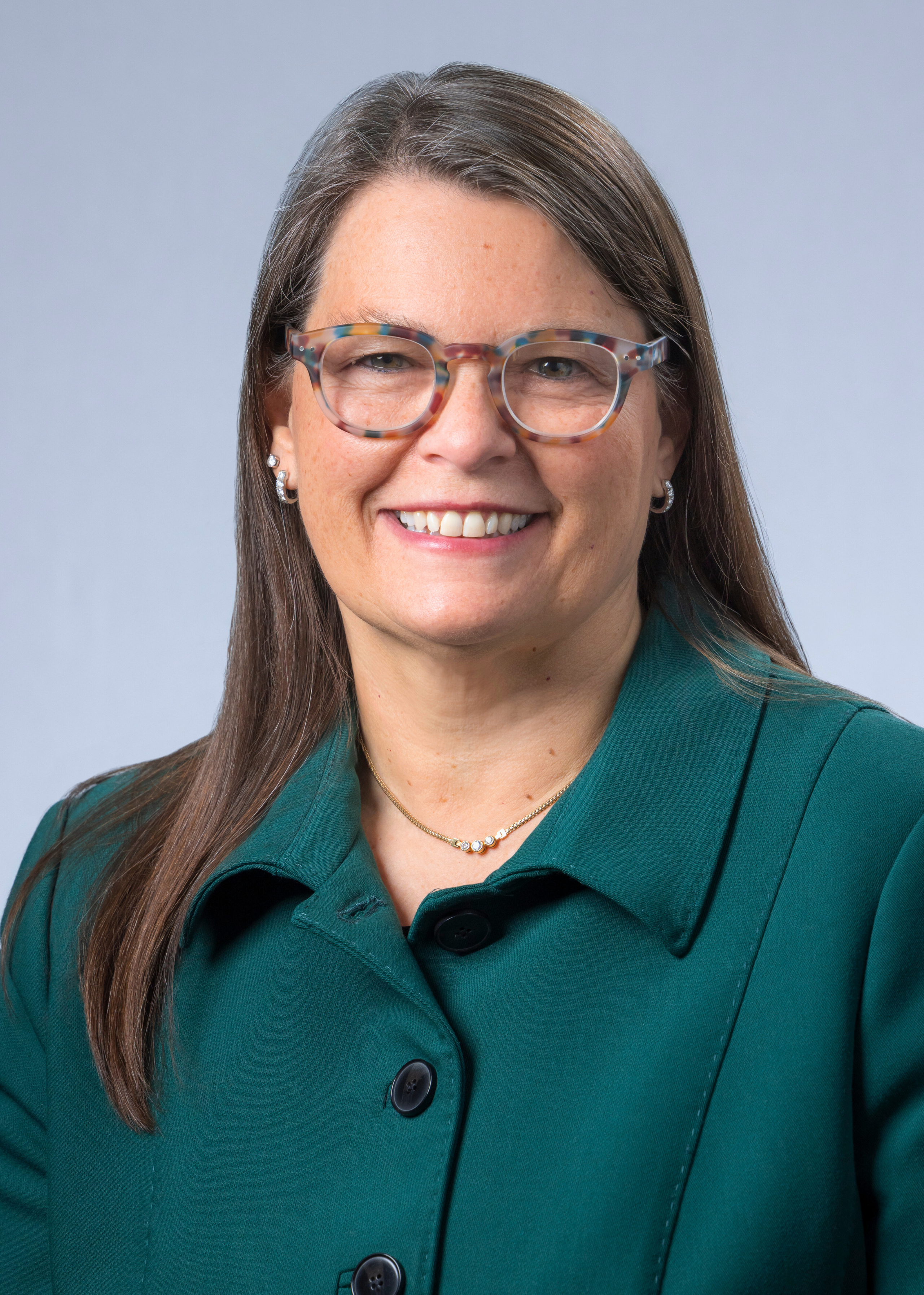
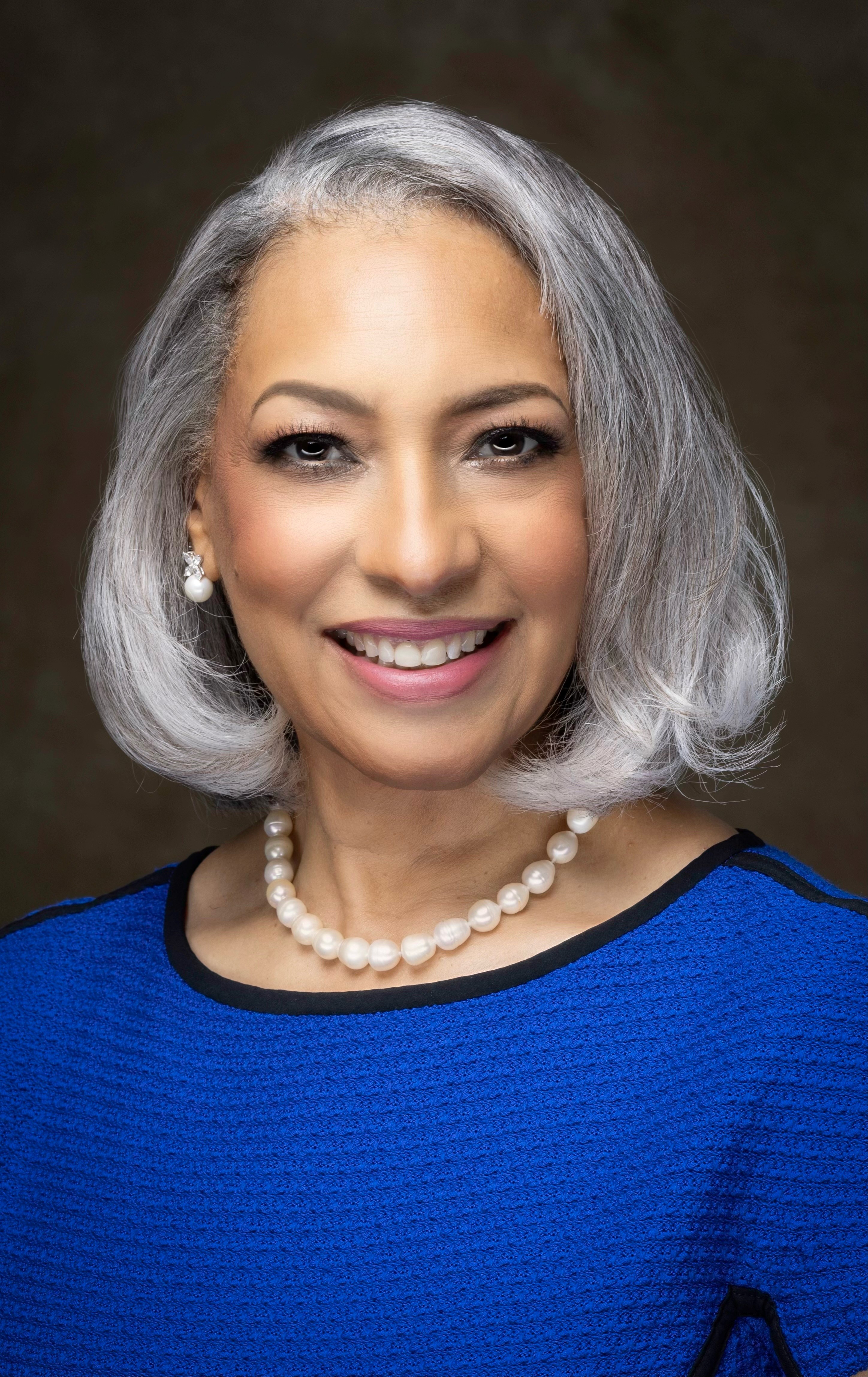
ACS CAN gratefully acknowledges the exemplary service and leadership of Dr. Kimberly L. Jeffries Leonard, whose vision and dedication have strengthened our mission and impact.
In 2024, Dr. Jeffries Leonard made history as the first Black and indigenous woman to chair the ACS CAN Board of Directors. Drawing on more than four decades of experience in applied health and behavioral medicine across federal, private, and local sectors in Washington, D.C., her unwavering dedication continues to guide ACS CAN as it advances cancer prevention, access to care, and equity-driven public health policy.
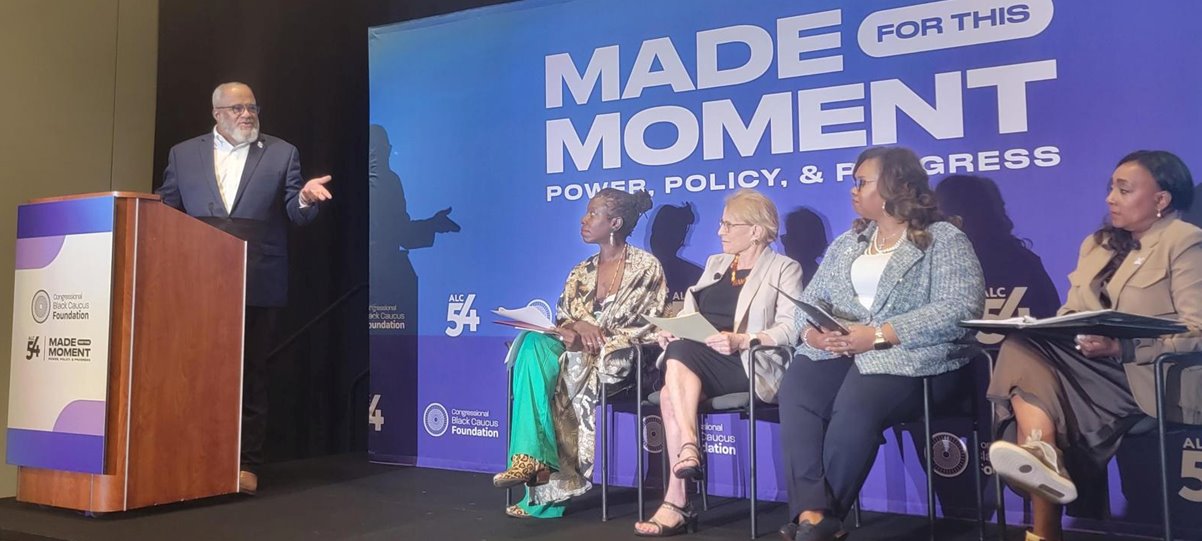
During her tenure, Dr. Jeffries Leonard presided over pivotal Board meetings, represented ACS CAN at numerous events including the Congressional Black Caucus Annual Legislative Conference, delivered opening remarks at the National Forum on the Future of Health Care Policy, and served on the ACS and ACS CAN CEO Search Committee. She boosted our efforts by emceeing and moderating In Due Season events, and inspired thousands of cancer advocates in Washington, DC at our annual Leadership Summit & Lobby Day.
As 2025 marked Dr. Kimberly Jeffries Leonard’s final full year serving as Board Chair, ACS CAN recognizes the enduring impact of her leadership, which has strengthened organizational governance, elevated our commitment to health equity, and fortified the relationship between ACS and ACS CAN. We are grateful for her steady direction and for positioning us for greater success in advancing our advocacy mission.

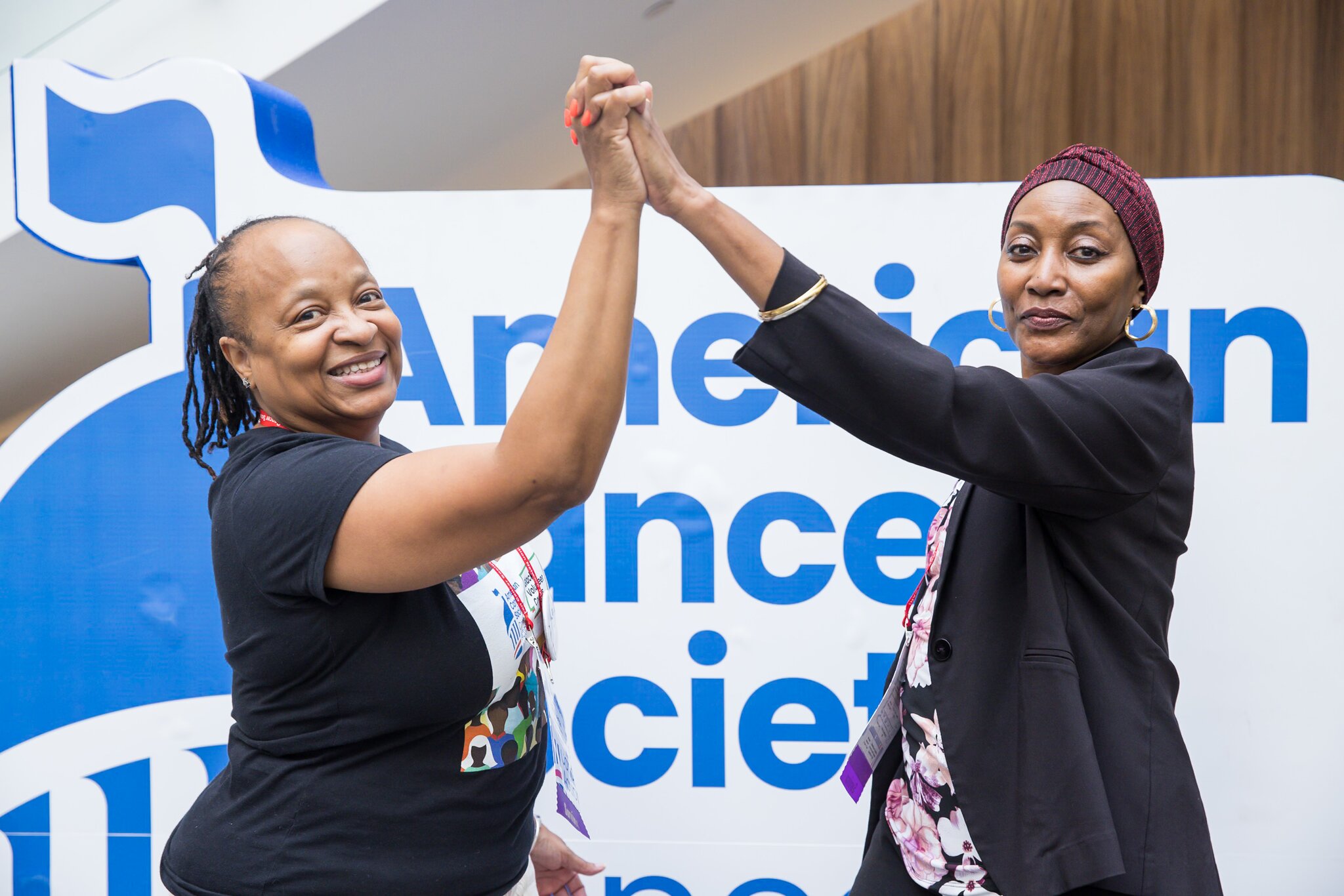
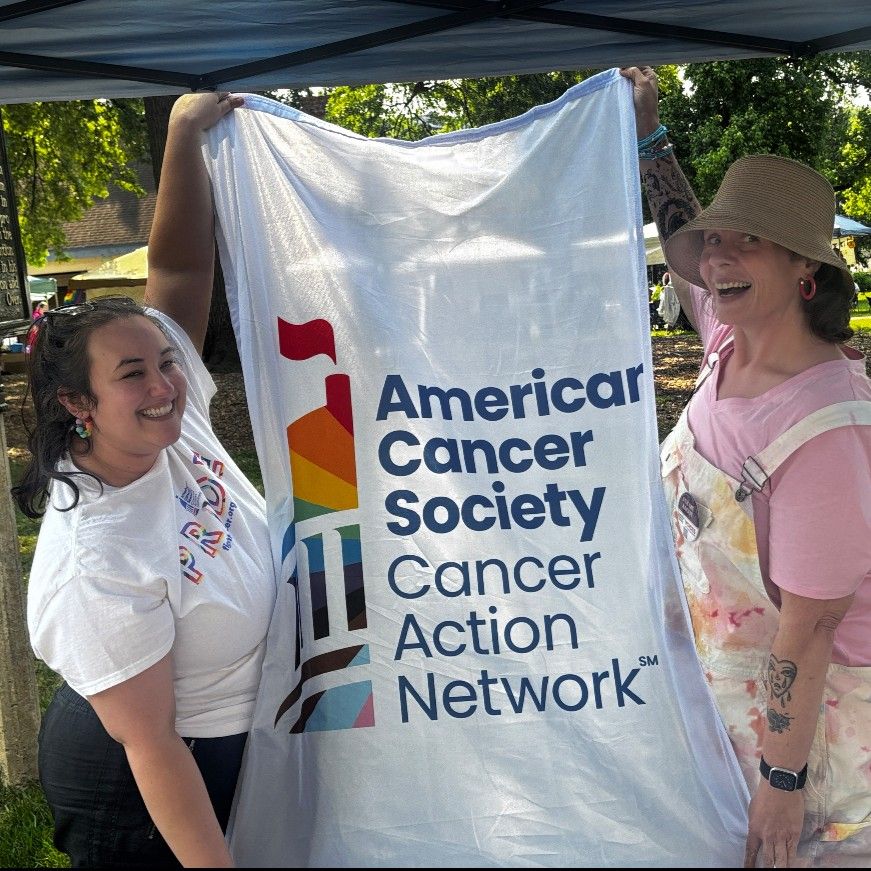
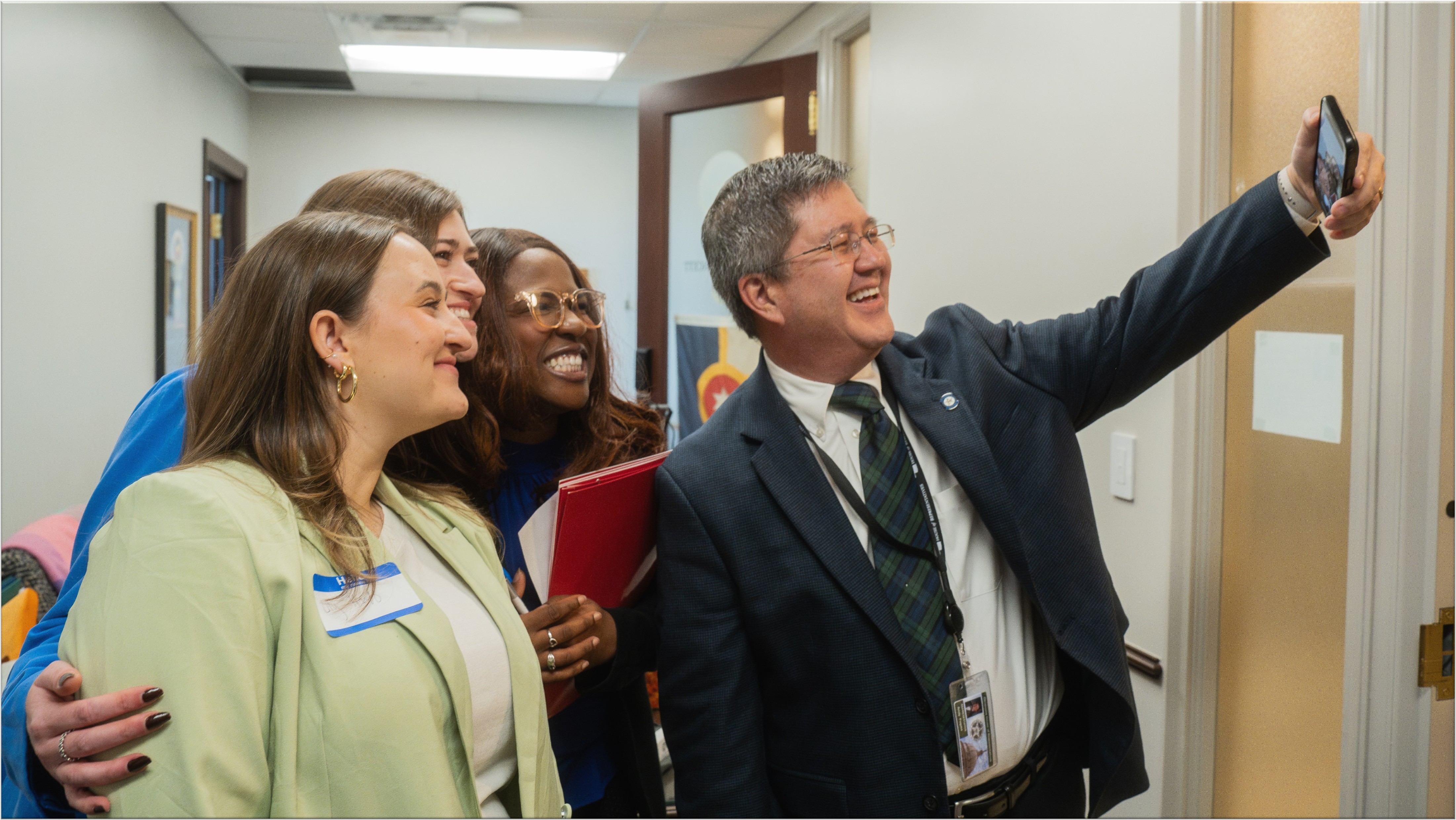
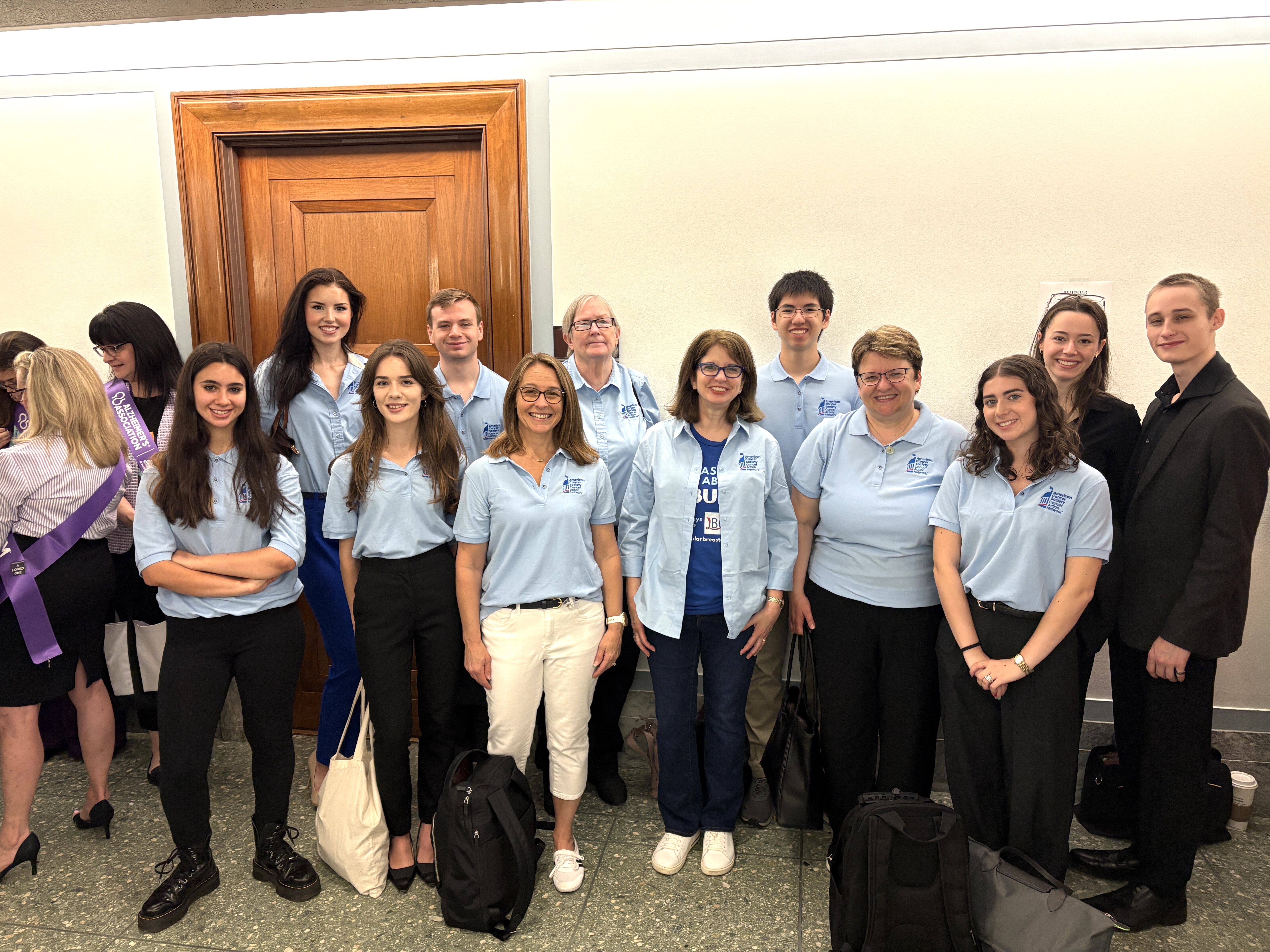
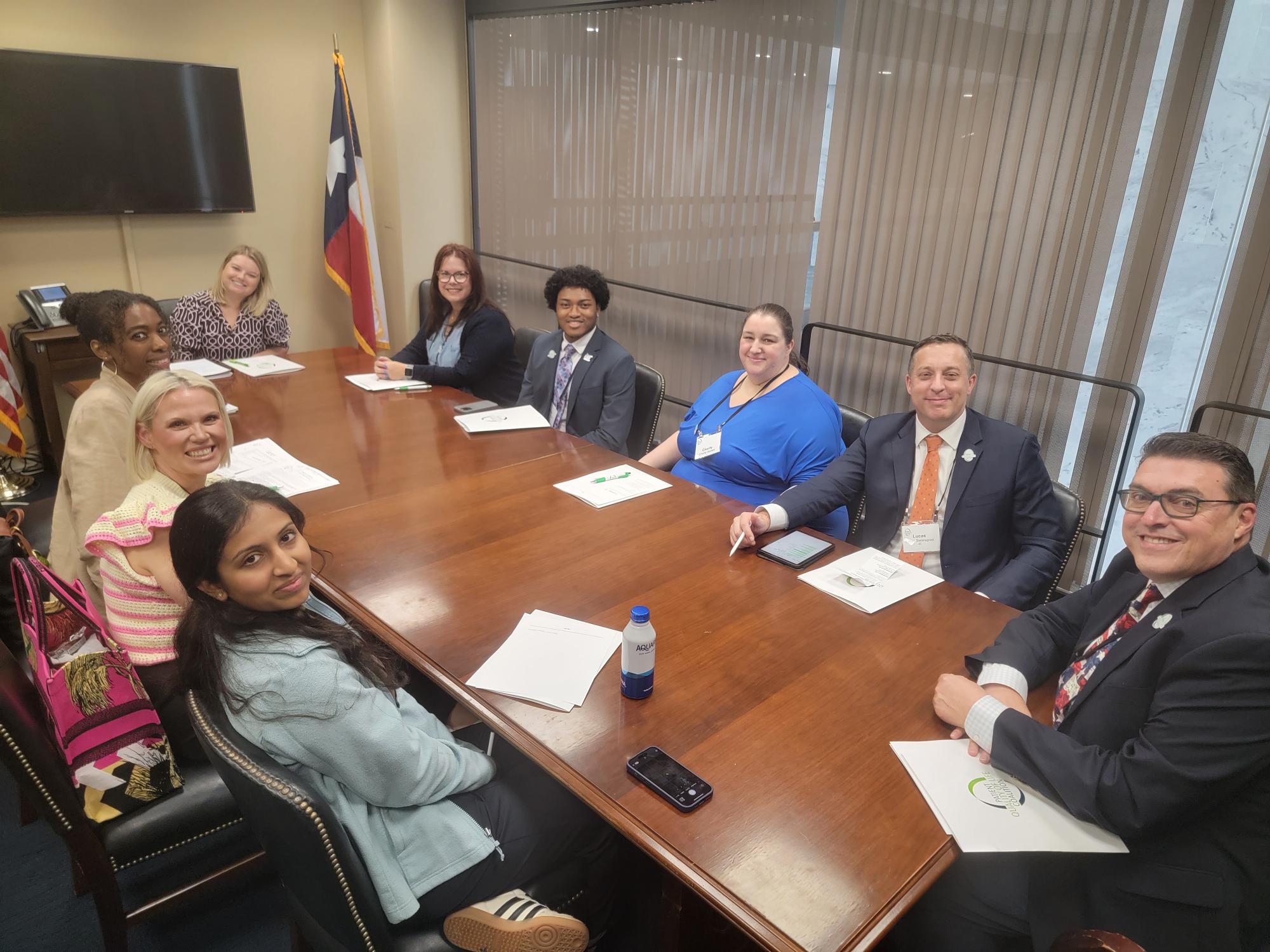
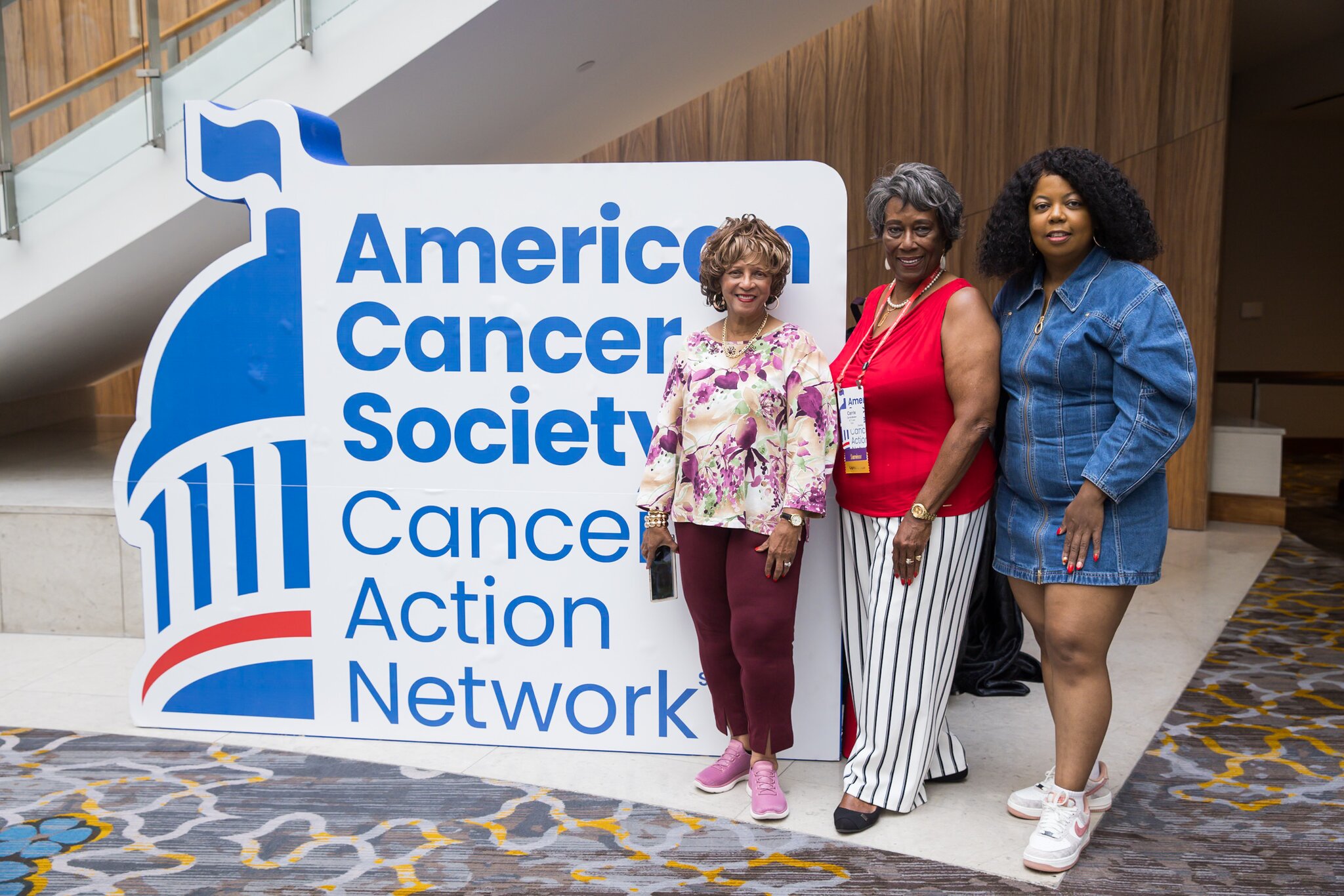
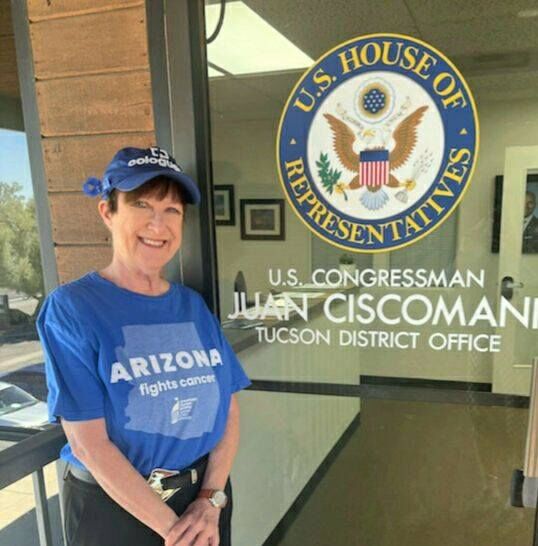
The American Cancer Society Cancer Action Network (ACS CAN) is committed to advancing evidence-based public policies that reduce the cancer burden for everyone. In 2025, we continued to support volunteers nationwide to ensure their voices influenced policymakers at every level of government. Our mission is rooted in the belief that every person deserves a fair and just opportunity to prevent, detect, treat and survive cancer. Since 2001, as the American Cancer Society’s nonprofit, nonpartisan advocacy affiliate, ACS CAN has driven progress by securing billions of dollars in cancer research funding, expanding access to affordable, high-quality health care and championing proven tobacco control measures. Today, we stand alongside our volunteers to make cancer a top priority for policymakers in cities, states, territories and our nation’s capital.
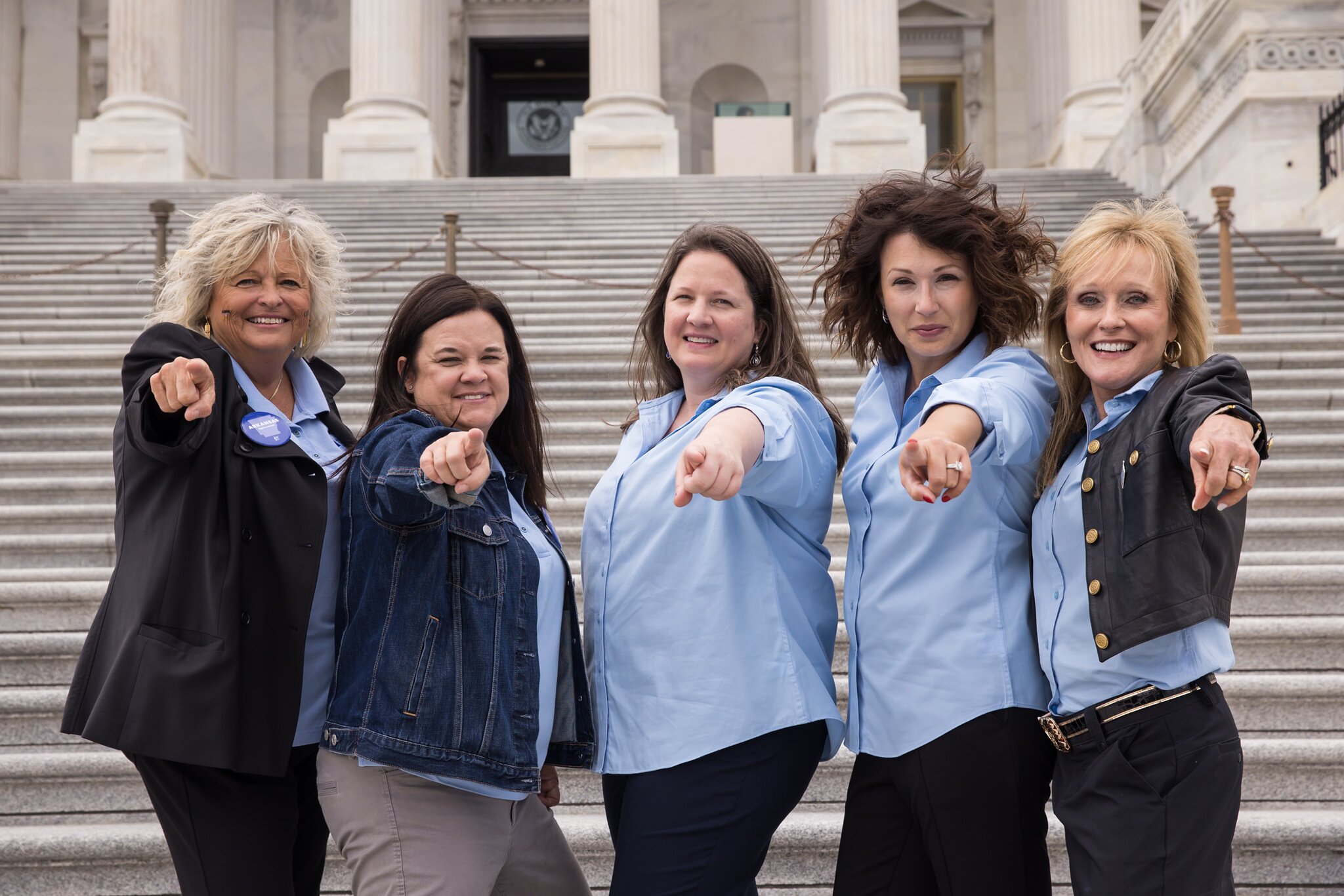
We engage thousands of dedicated individuals in every congressional district across the country to share their time, skills and their stories to advance ACS CAN’s mission to advocate for evidence-based public policies to reduce the cancer burden for everyone. Our volunteers are experts in taking action. They engage with their elected officials through phone calls, emails, social media, letters and in-person meetings, and speak out in their communities, halls of government and the media in support of public polices to help end cancer as we know it, for everyone.
We work with attorneys who donate time and incredible legal expertise to help advance our mission by representing ACS CAN in influential court cases, regulatory proceedings, and legislative drafting to further mission goals. In 2023, we celebrated the 15th anniversary of ACS CAN's Judicial Advocacy Initiative (JAI). From its inception in August 2008 until December 2023, the program has resulted in $5.6 million in contributed services from law firms, with over $600,000 contributed in 2023 alone. Learn more about our Judicial Advocacy Initiative.
We leverage the expertise and insight of our Board of Directors, which is comprised of physicians, researchers, public health professionals, civic leaders and experts.
We lead coalitions and partner with organizations to advance public health policies that benefit people impacted by cancer and other chronic diseases through joint lobby days, congressional briefings, sponsorship and expert participation in conferences and panels. The following are highlights of critical coalitions and partnerships:
ACS CAN founded and leads the One Voice Against Cancer Coalition (OVAC), a collaboration of over 50 national non-profit organizations advocating for sustained cancer research and prevention program funding. It is the leading cancer coalition in the nation’s capital, representing millions of cancer researchers, physicians, nurses, patients, survivors, and their families.
ACS CAN founded and leads the Patient Quality of Life Coalition (PQLC), which advocates for palliative care legislation and works to amplify the patient voice.
ACS CAN is a founding member of the Partnership to Protect Coverage Coalition (PPC), which works to ensure health coverage is affordable, accessible, adequate, and understandable. ACS CAN works with PPC on major legislative and regulatory issues, including Medicaid, the Affordable Care Act, and coverage issues.
As a founding and lead partner of the Alliance for Cancer Care Equity (ACCE), ACS CAN works with the National Comprehensive Cancer Network (NCCN) and the National Minority Quality Forum (NMQF) to convene organizations committed to advancing public policy that fosters more equitable cancer outcomes with an intentional focus on racial and ethnic disparities.
ACS CAN co-chaired the State Access to Innovative Medicines (SAIM) Coalition, which works to advance state legislation that regulates step therapy and reduces out-of-pocket costs for prescription drugs.
ACS CAN is an active member of the All Copays Count Coalition, which works to advance state legislation to restrict the use of copay accumulator adjustment programs and ensure patients receive the full value of prescription drug copay assistance.
ACS CAN is also an active member and leader in state Medicaid expansion coalitions, such as Cover Alabama, Cover Georgia, and Care4Carolina.
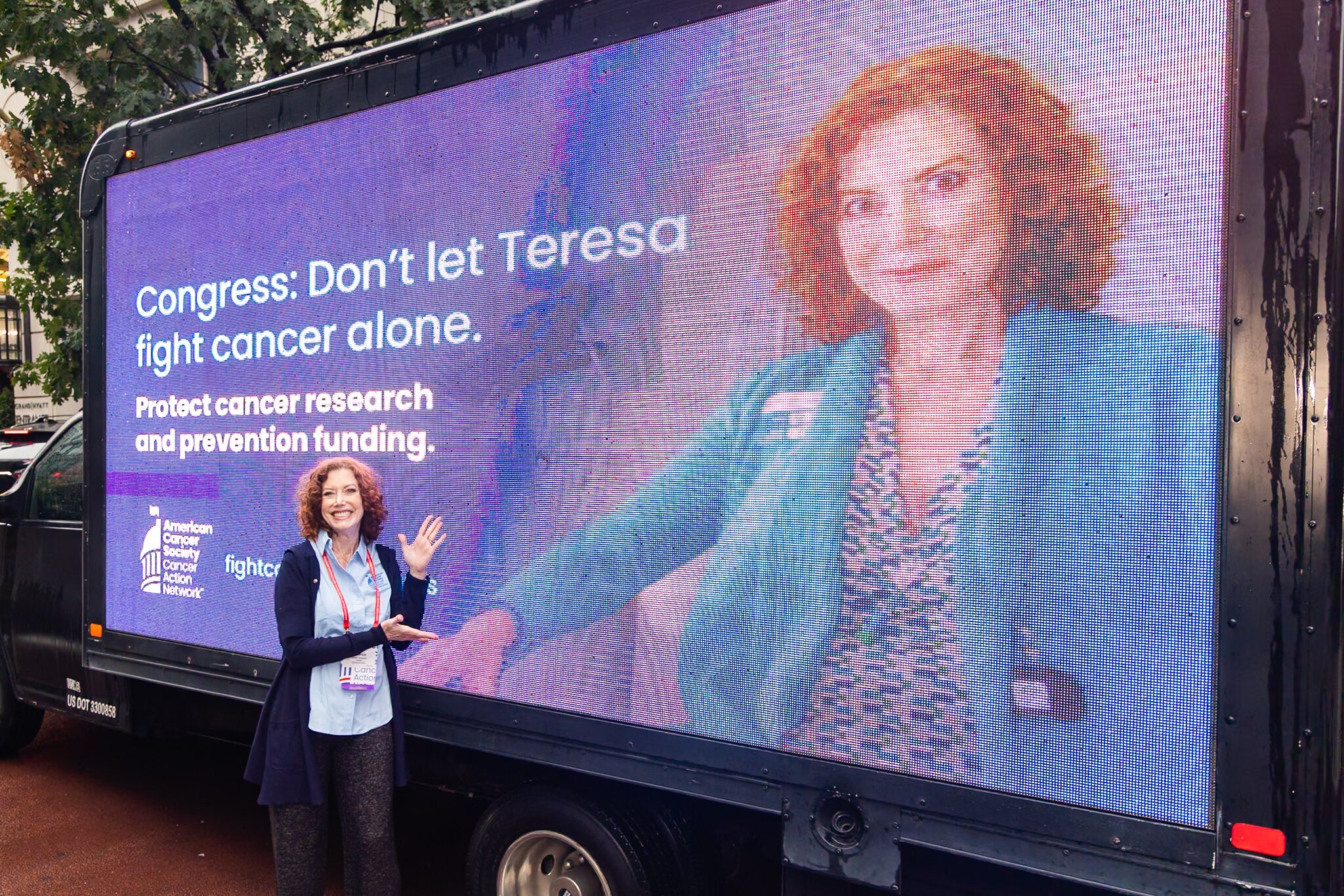
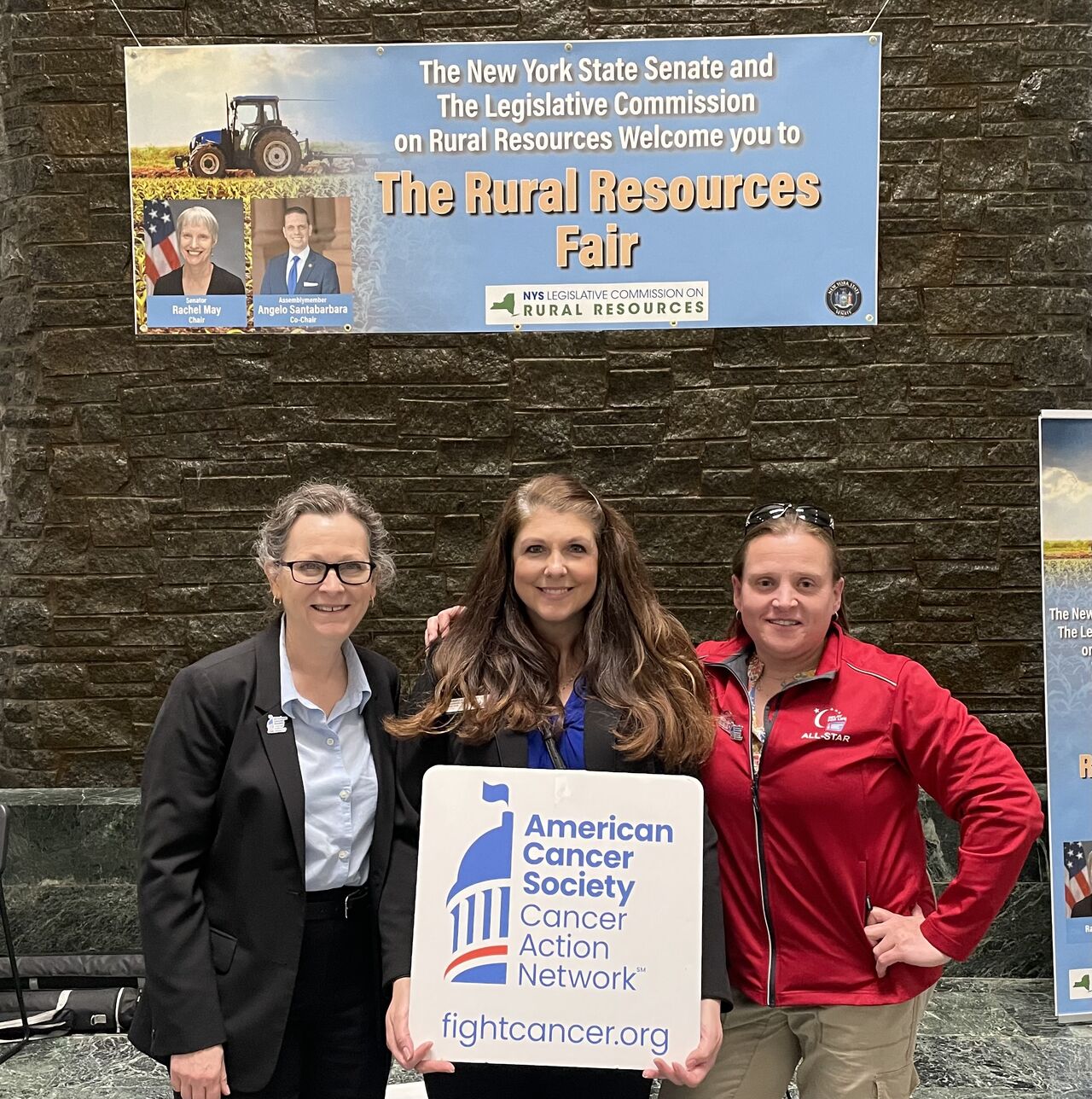
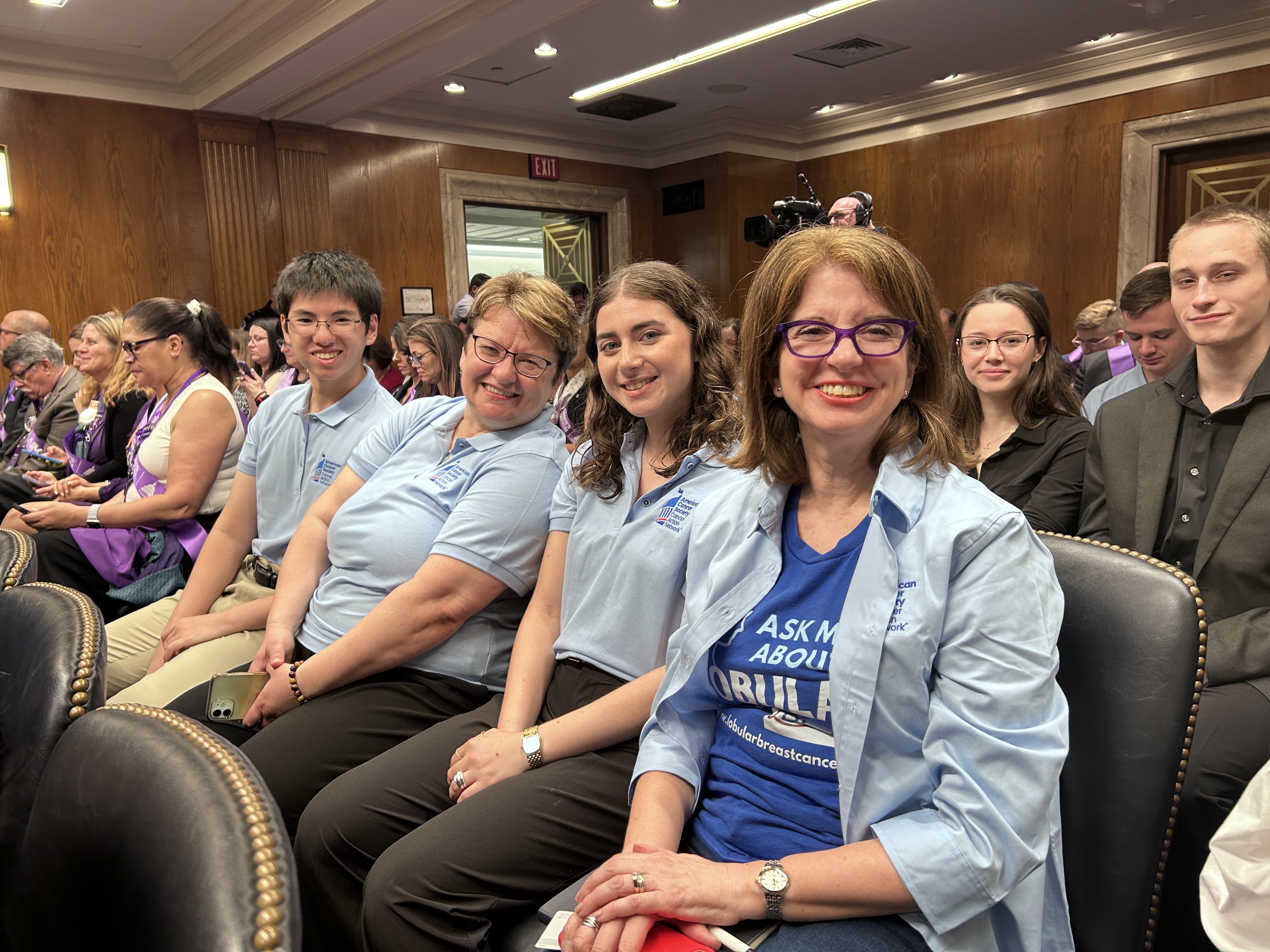
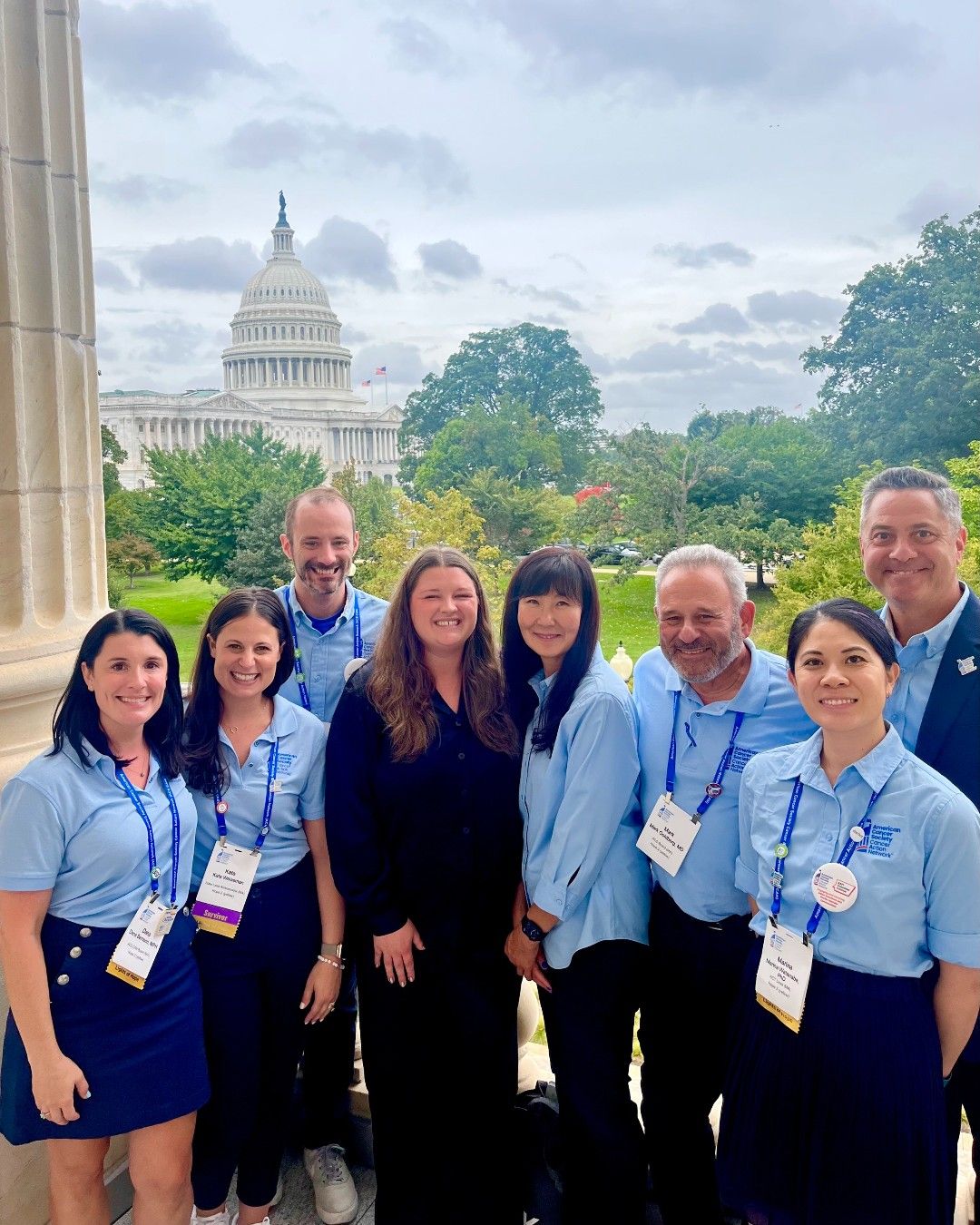
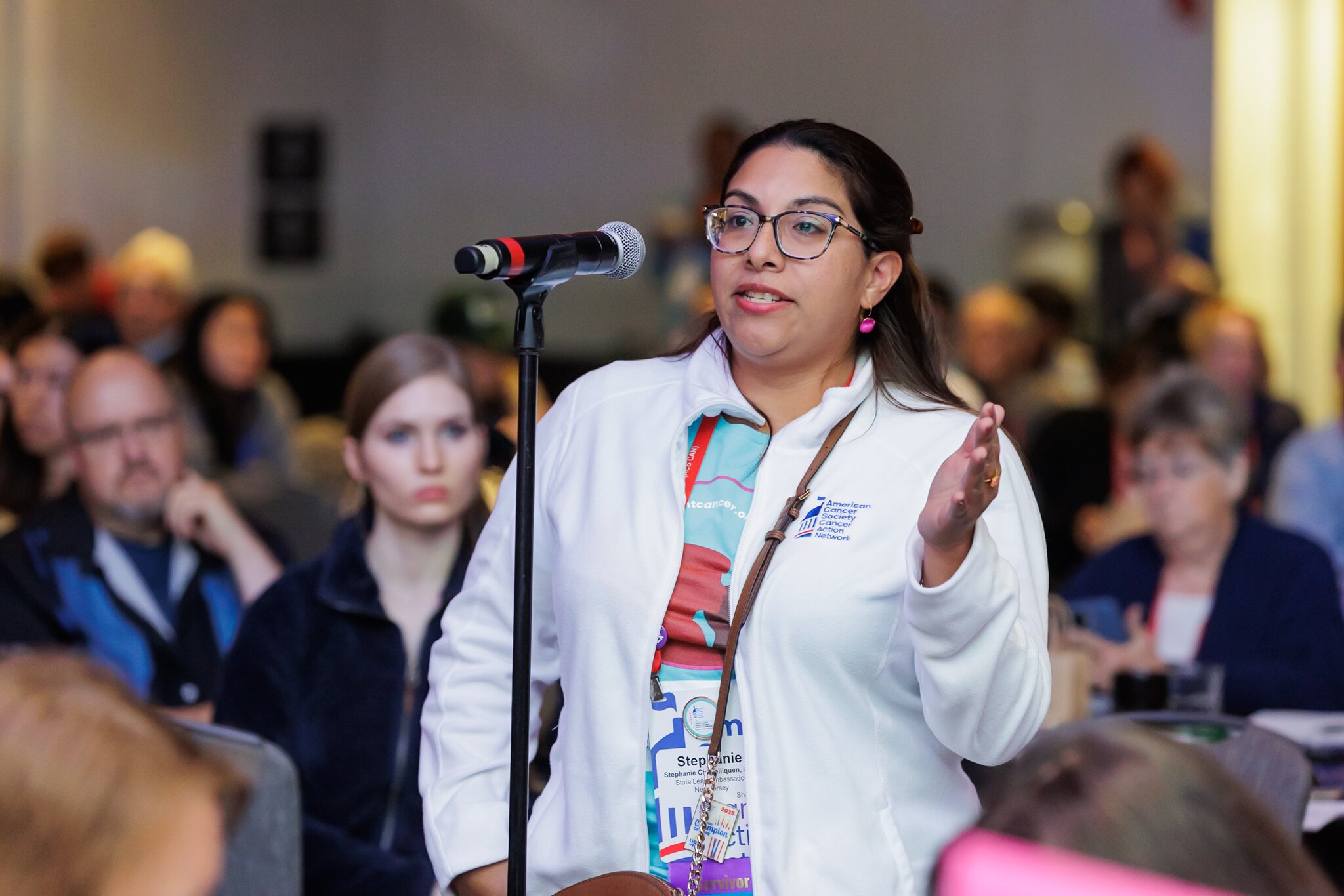
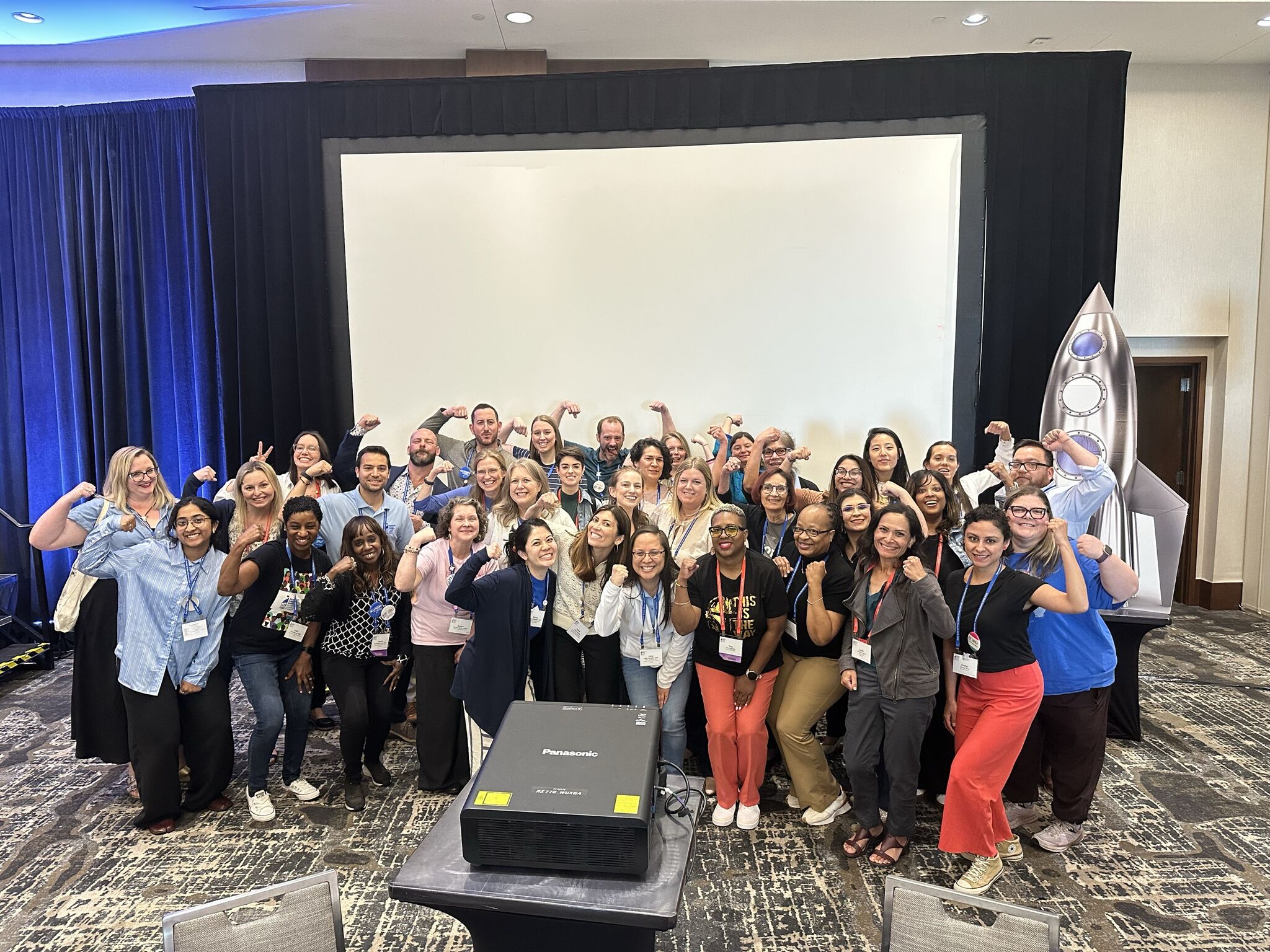
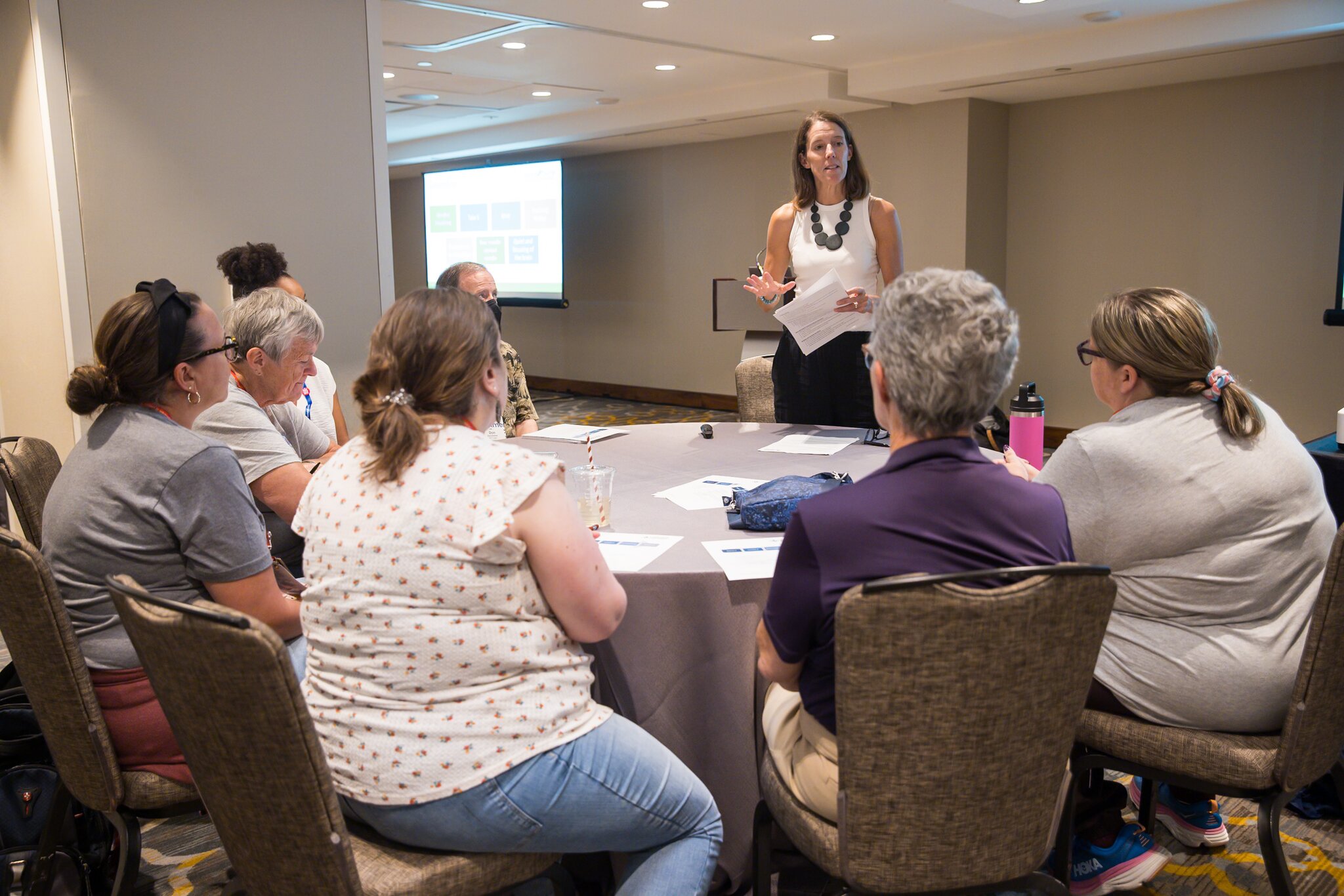
ACS CAN engages thousands of passionate advocates throughout every state and congressional district and in courthouses nationwide. These dedicated individuals invest their time, talents and personal stories to advance our mission to advocate for evidence-based public policies that reduce the cancer burden for all.
Our volunteers are catalysts for change. They engage elected officials through calls, emails, social media, letters, face-to-face meetings and amicus curiae or “friend of the court” briefs. They raise their voices in communities, government offices, courts and the media, championing policies that move us closer to ending cancer as we know it, for everyone.
ACS CAN volunteers are more than the heart of our organization – they are the driving force behind our impact. Their relentless advocacy keeps cancer at the forefront of our public policy advocacy agenda.
Our voices undeniably led to impact throughout the year. In 2025, ACS CAN advocates:
Volunteer in Action Spotlight
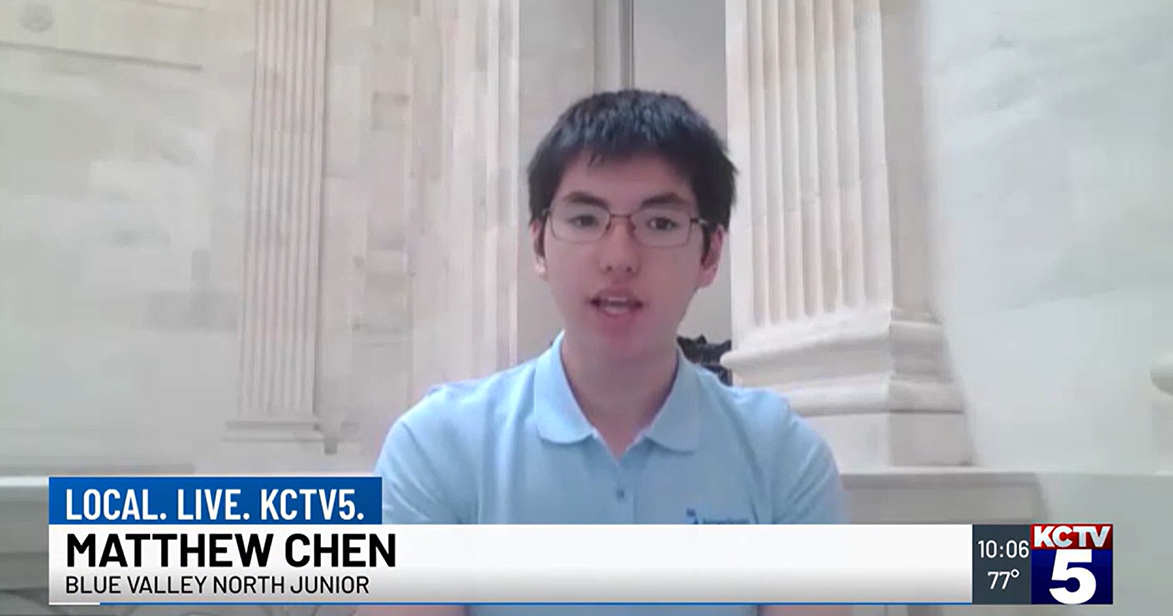
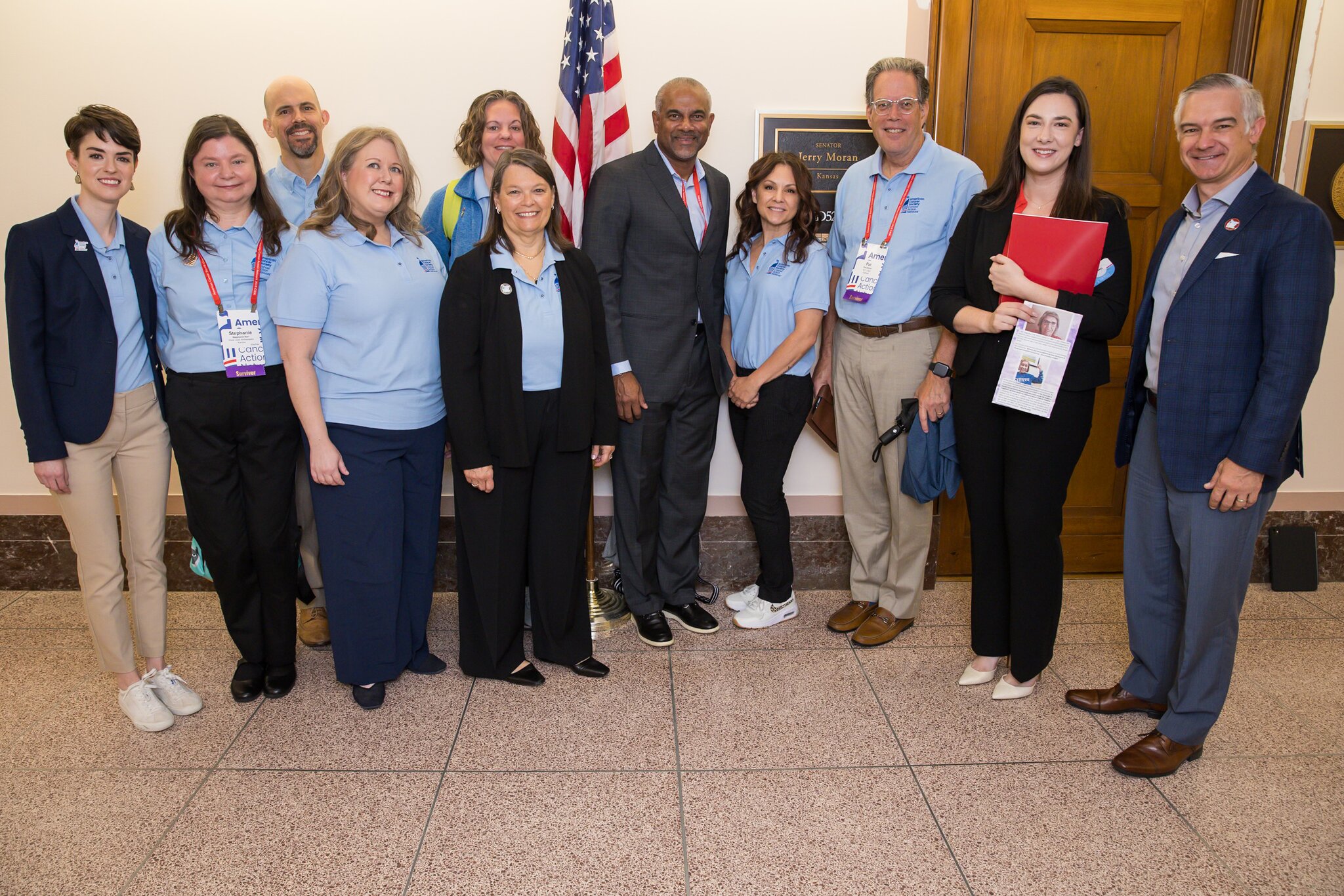
Matthew Chen, an ACS CAN volunteer from Kansas, published a compelling op-ed in The Kansas City Star detailing his experience lobbying Senator Jerry Moran (R-KS) and emphasizing the importance of continued NIH funding for cancer research. He also amplified this message through interviews with NewsNation and KCTV5. Inspired by the impact of cancer on his own family, Matthew has become a passionate advocate for advancing lifesaving research.
Our Why......
“With ACS CAN, I’ve felt like I’m heard because it’s not just me advocating for cancer patients, survivors and caregivers. There’s strength in numbers when we all advocate for the same thing.”
— Kitti Walkup-Birkhead, Ambassador Constituent Team (ACT) Lead, Colorado
“For the first time in a long while, I feel a sense of agency. It brings me great joy to know that I can help others with my stories, and I am grateful to ACS CAN for allowing my voice to be heard.”
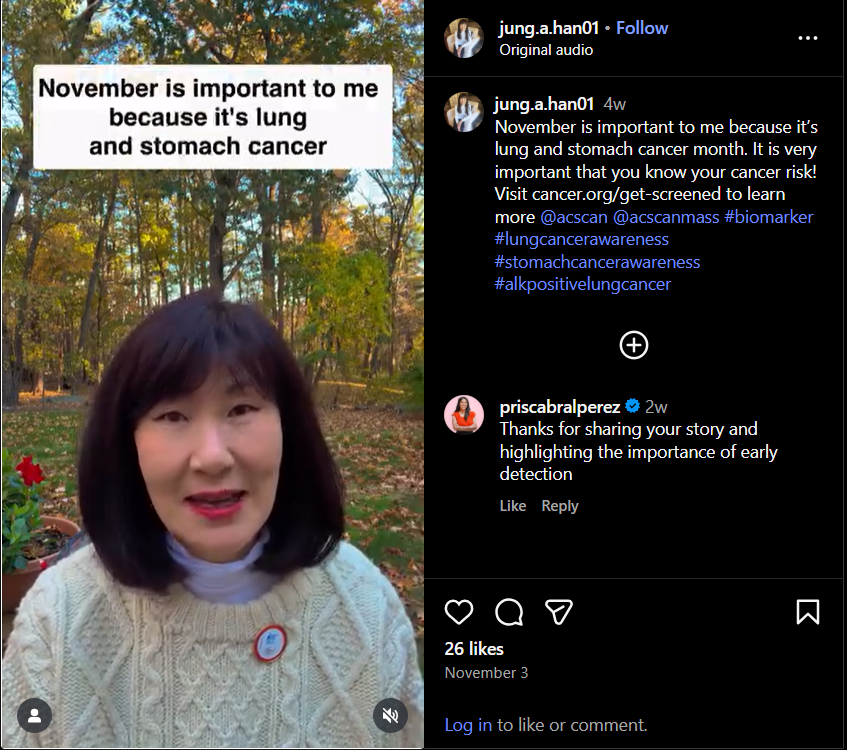
— Jung A Han, ACT Lead of the Year 2025, Massachusetts
“Volunteering with ACS CAN gives me a way to turn my grief into impact by working on legislation, awareness campaigns and funding initiatives that can change outcomes for children.”
— Sahil Mehta, Legislative Ambassador, California
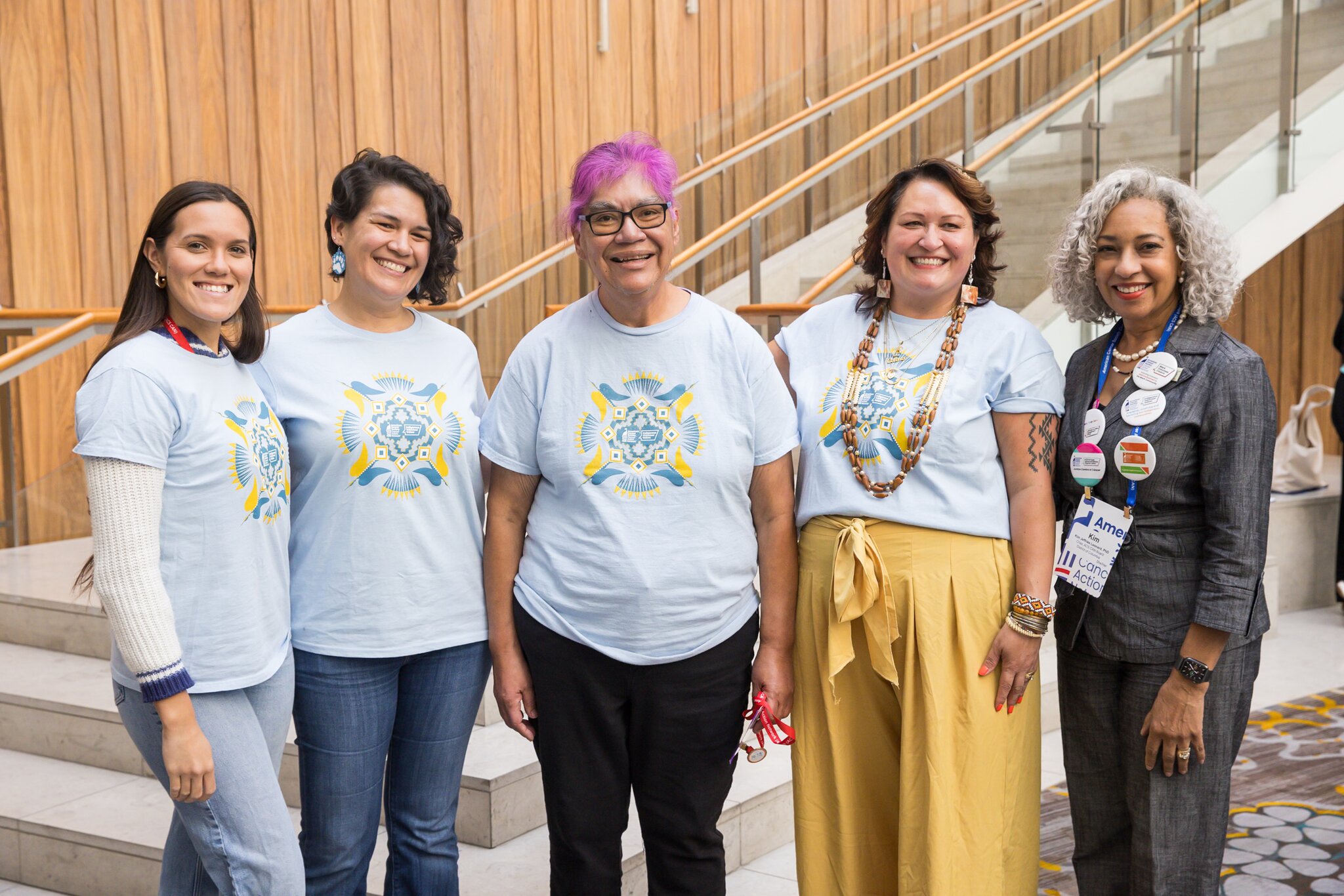
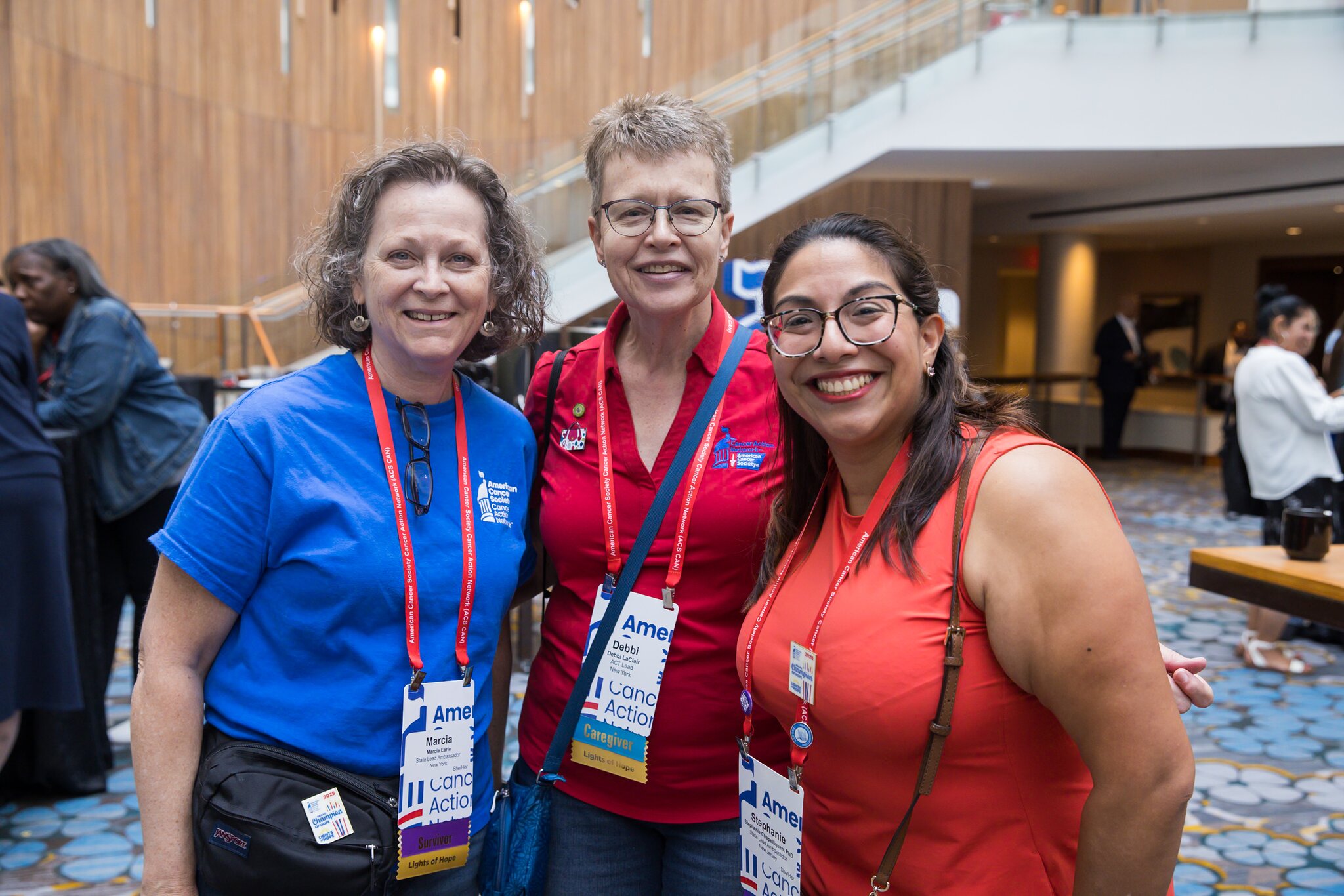
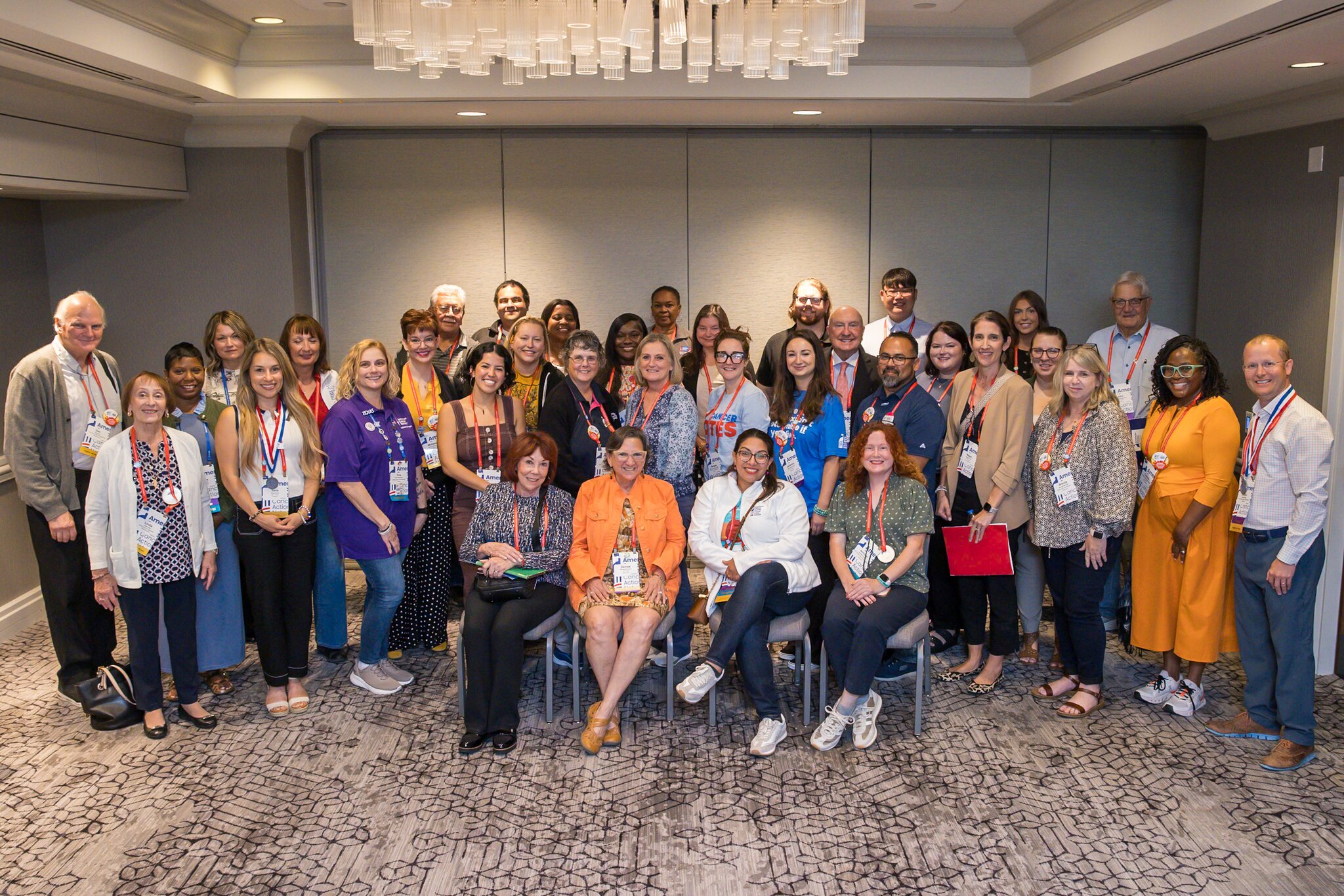
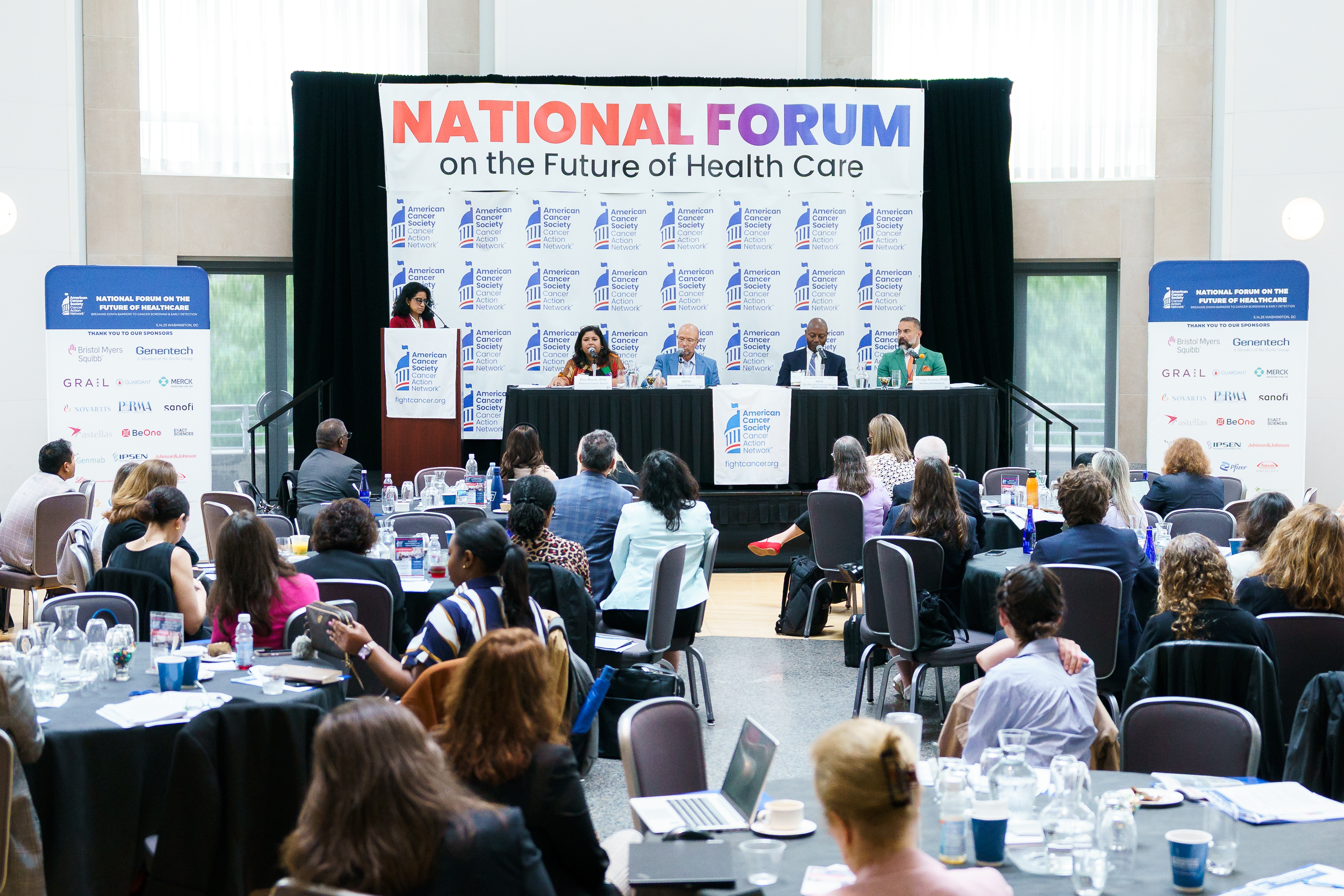
Championing Change Together
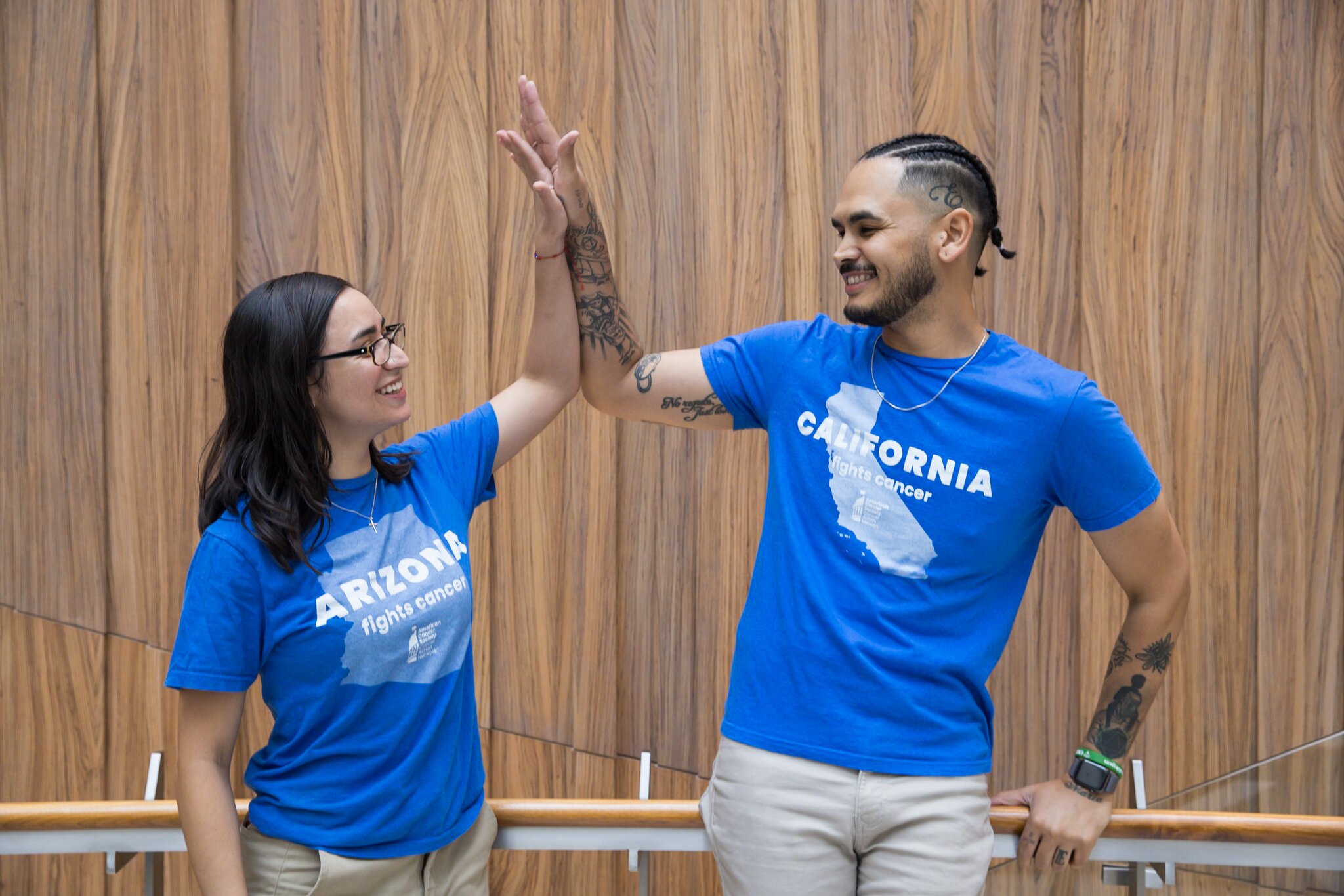
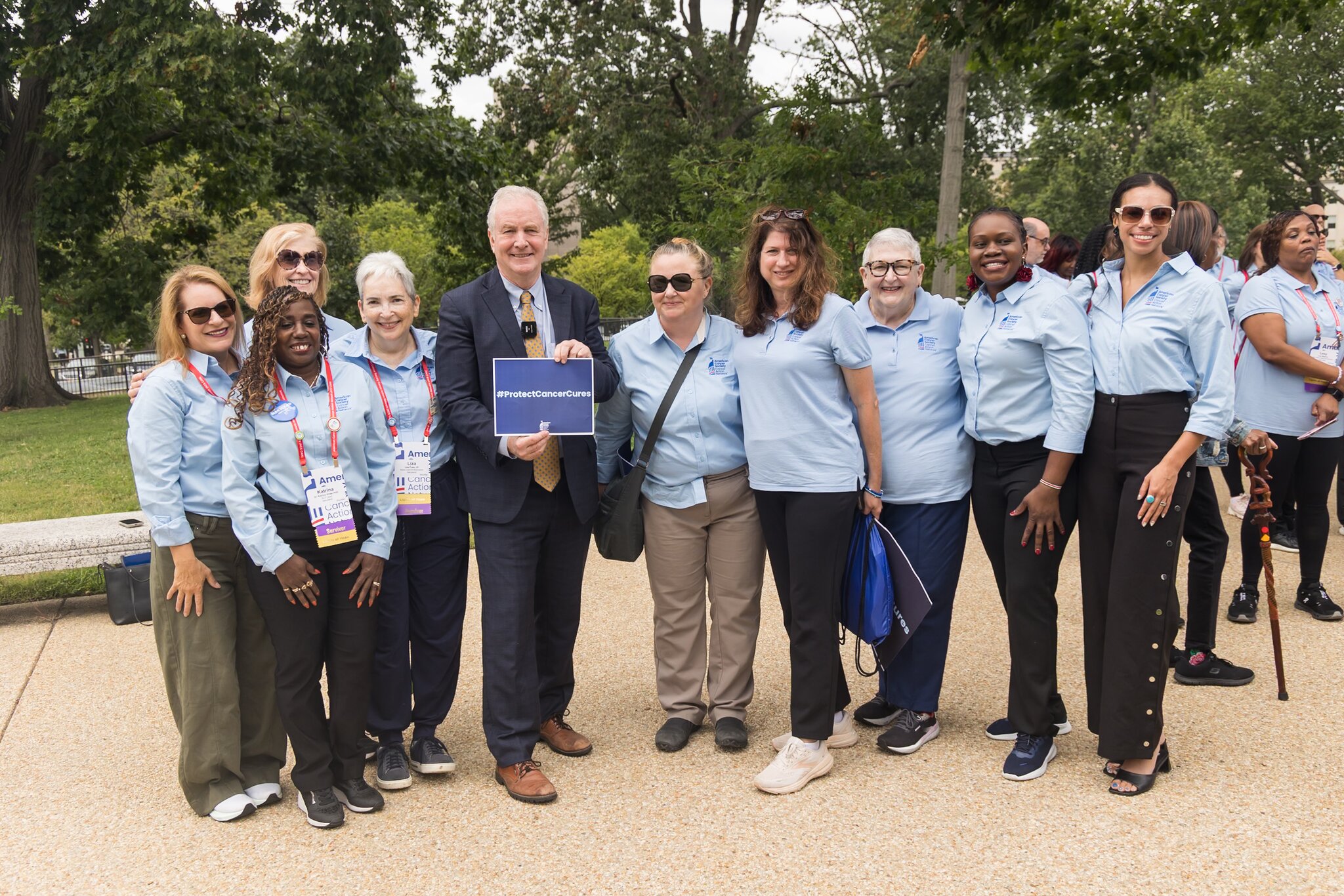
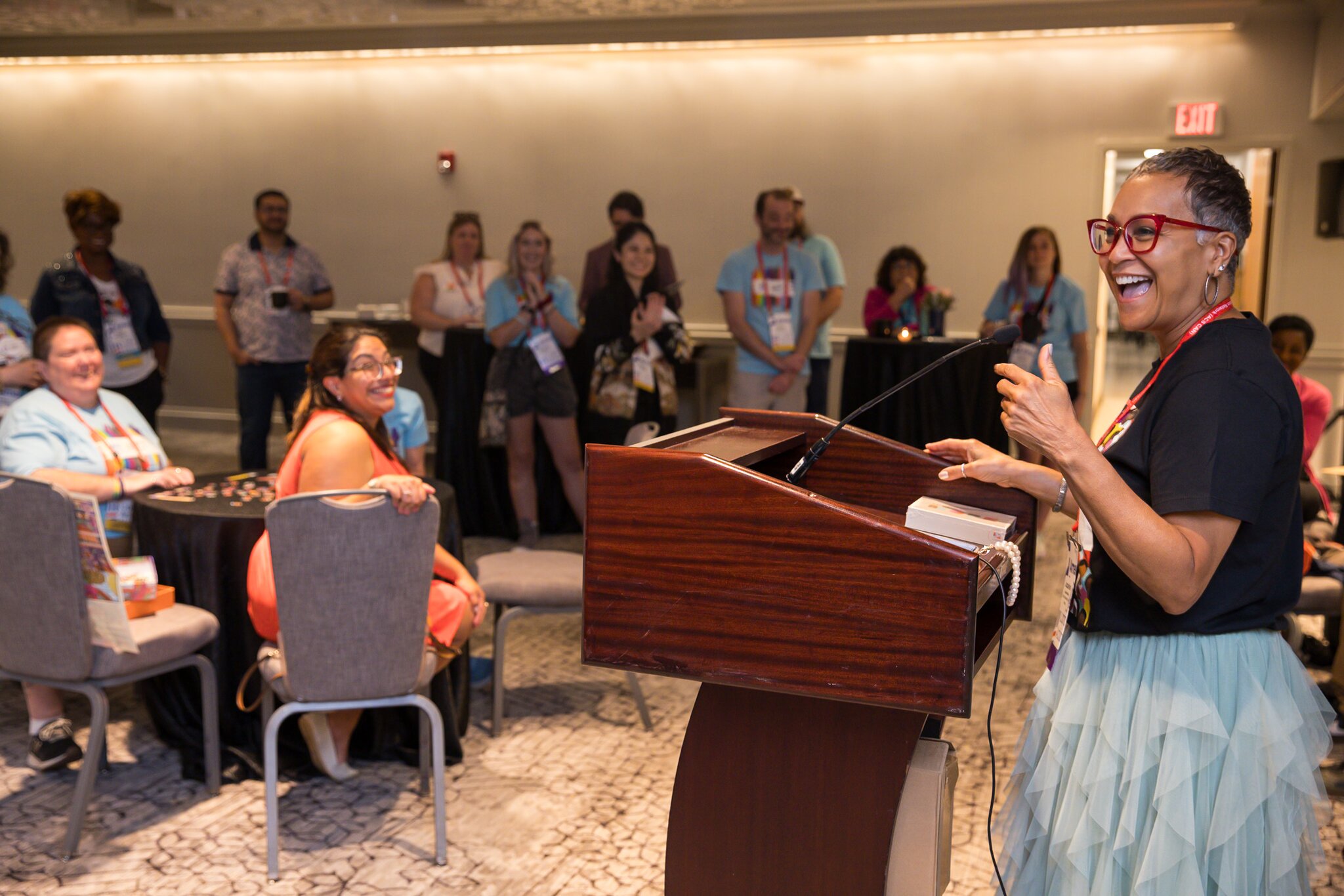
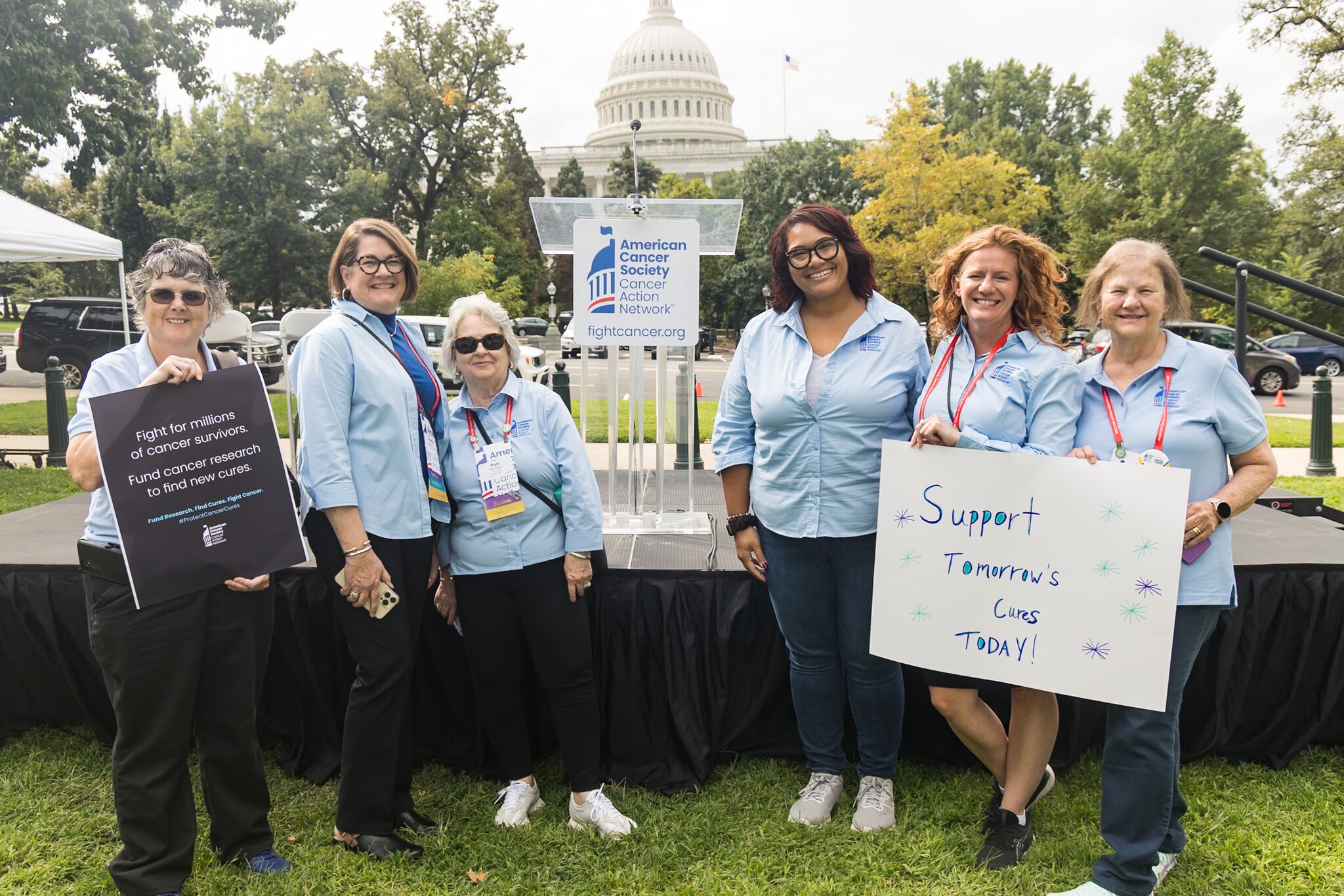
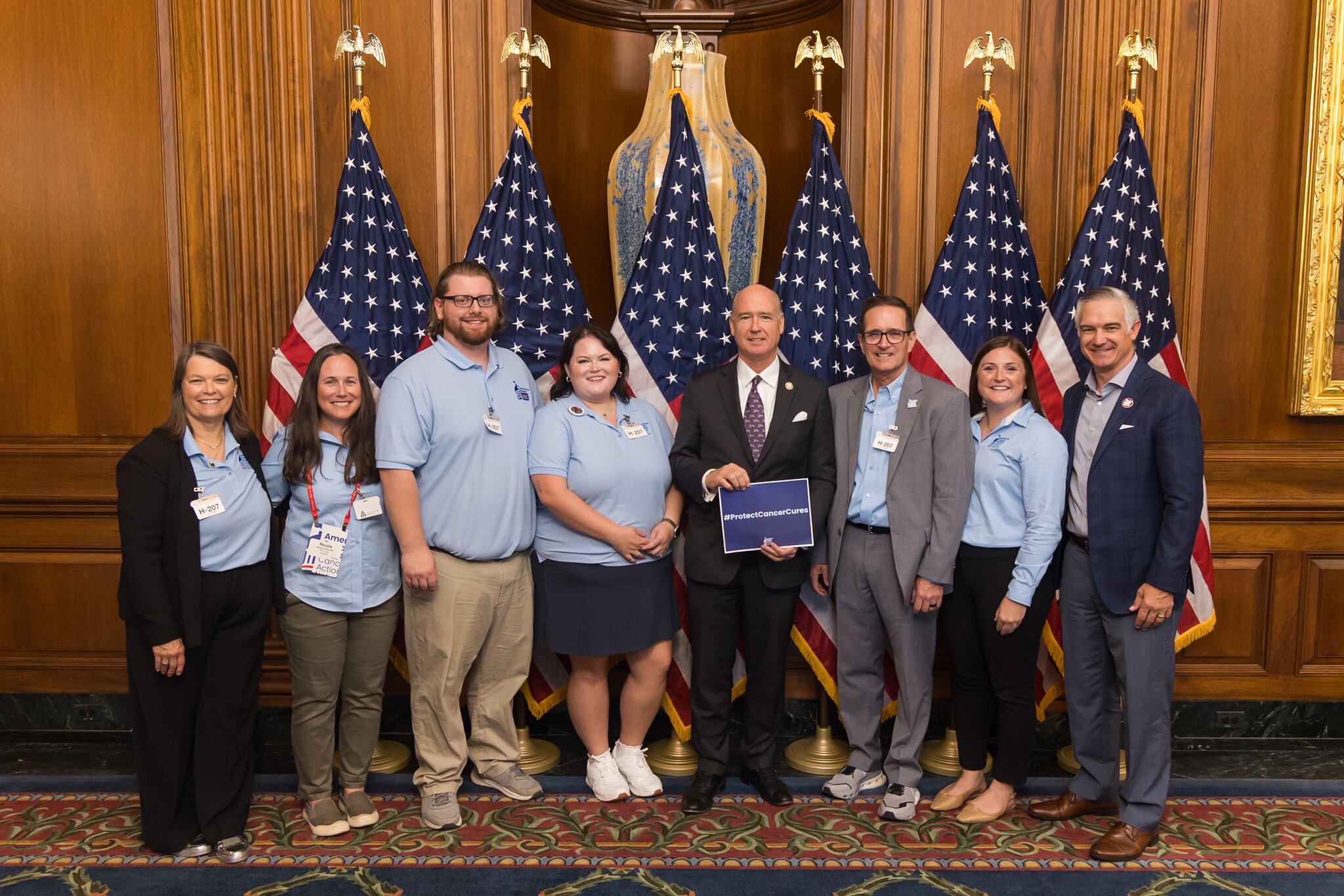
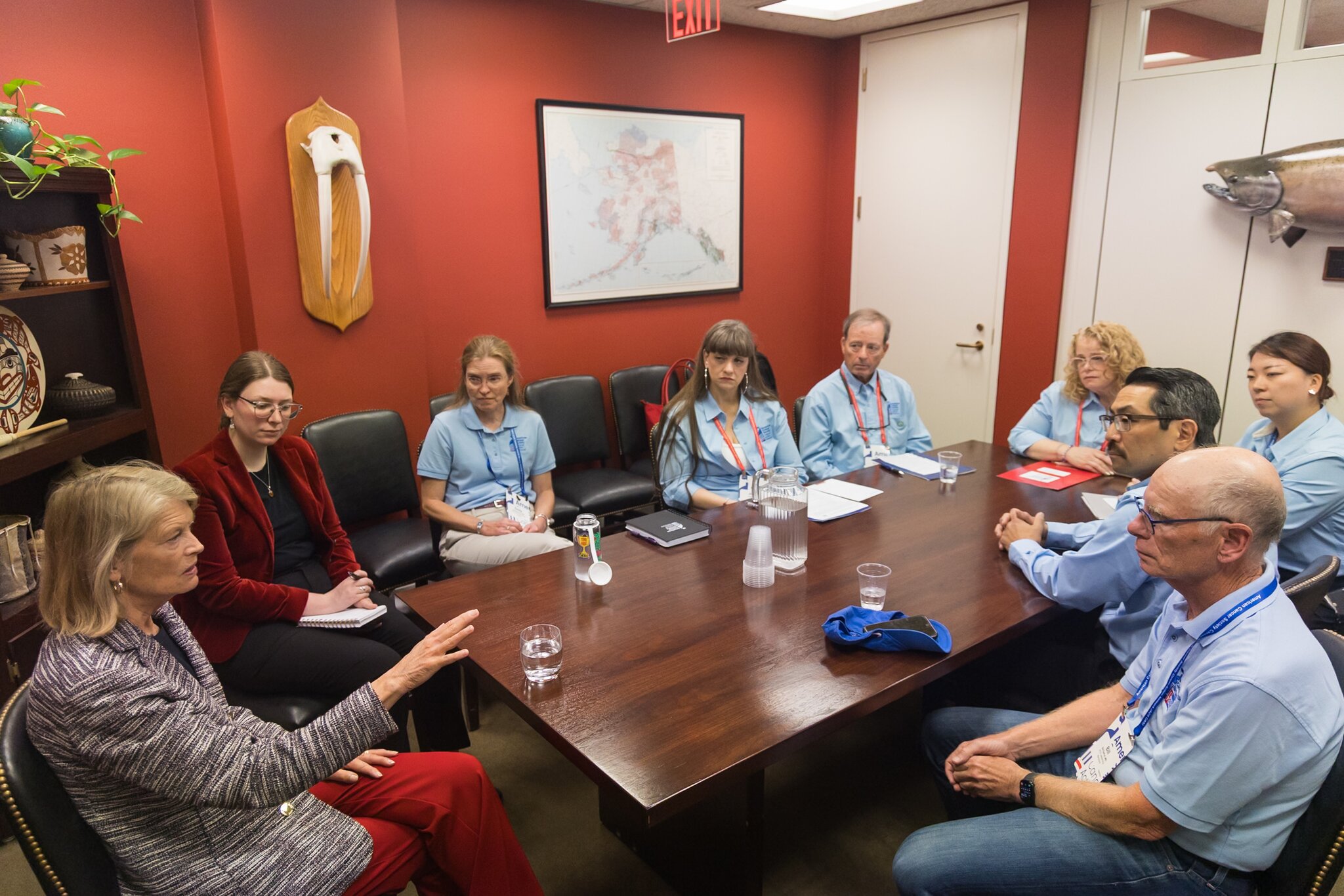
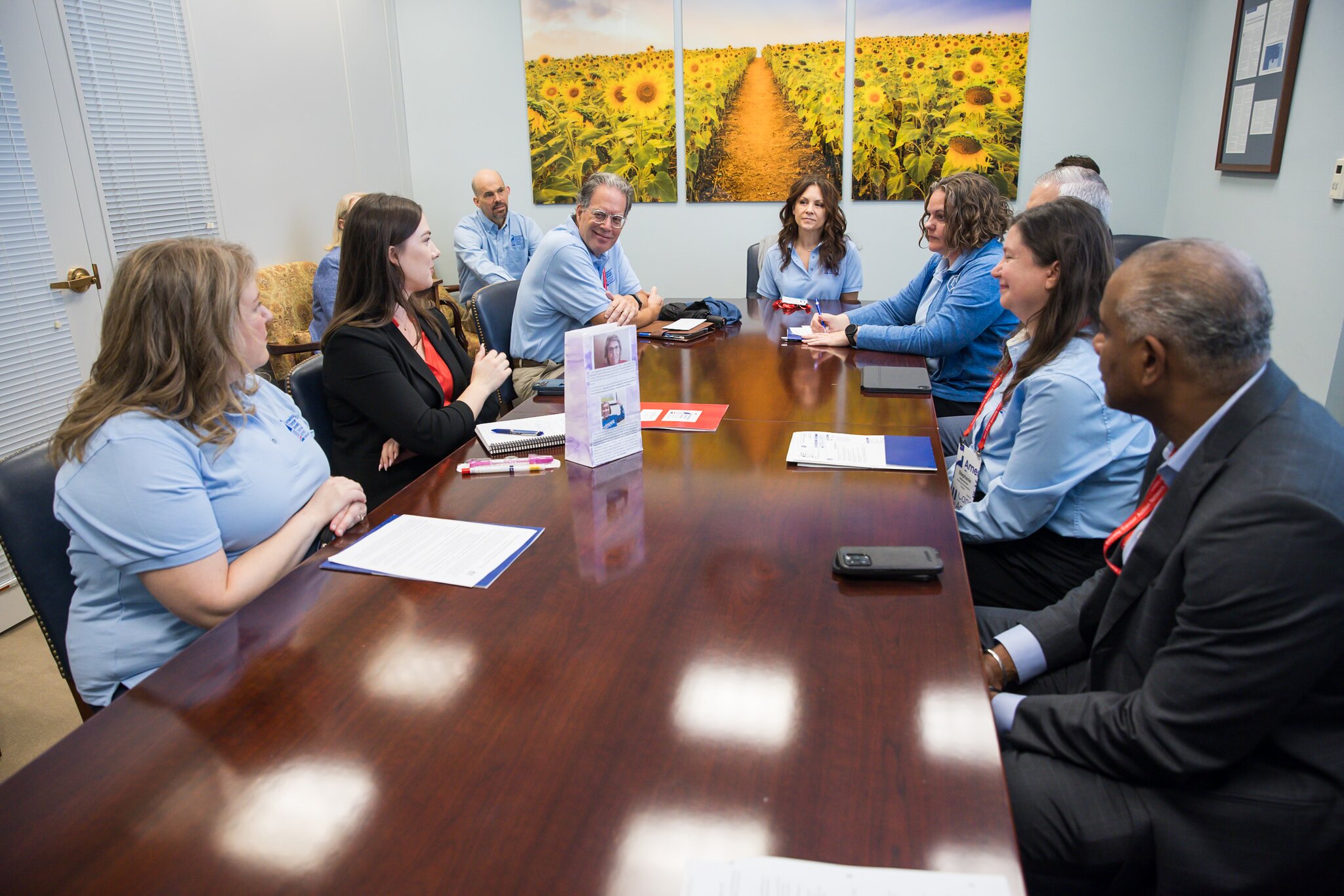
ACS CAN advocates, including patients, survivors and family members representing all 50 states, Washington, D.C., Guam, Puerto Rico and nearly every congressional district, participated in our 19th annual Leadership Summit and Lobby Day (LS&LD), with approximately 700 in attendance who gathered in Washington, D.C., to advocate on behalf of everyone impacted by cancer.
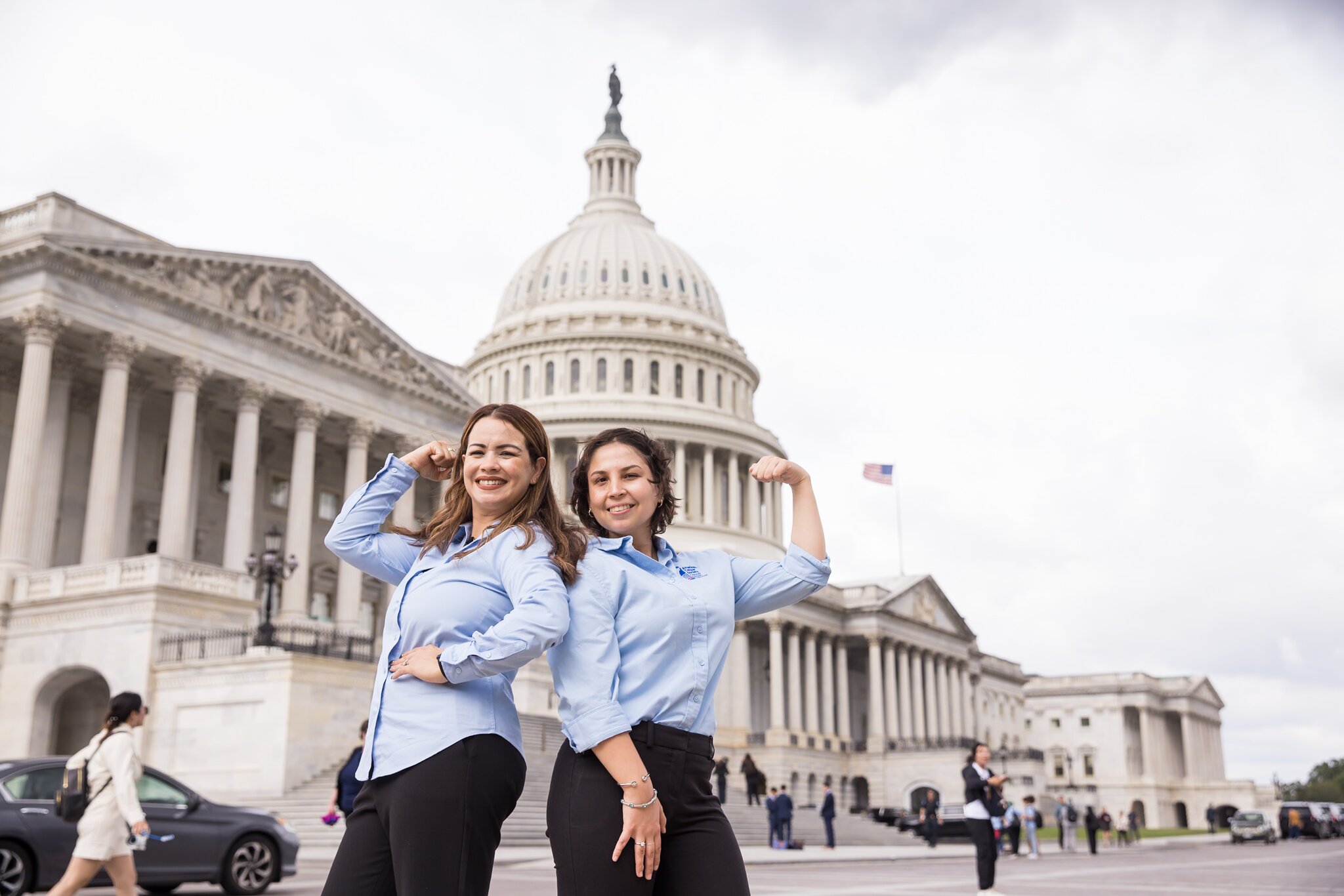
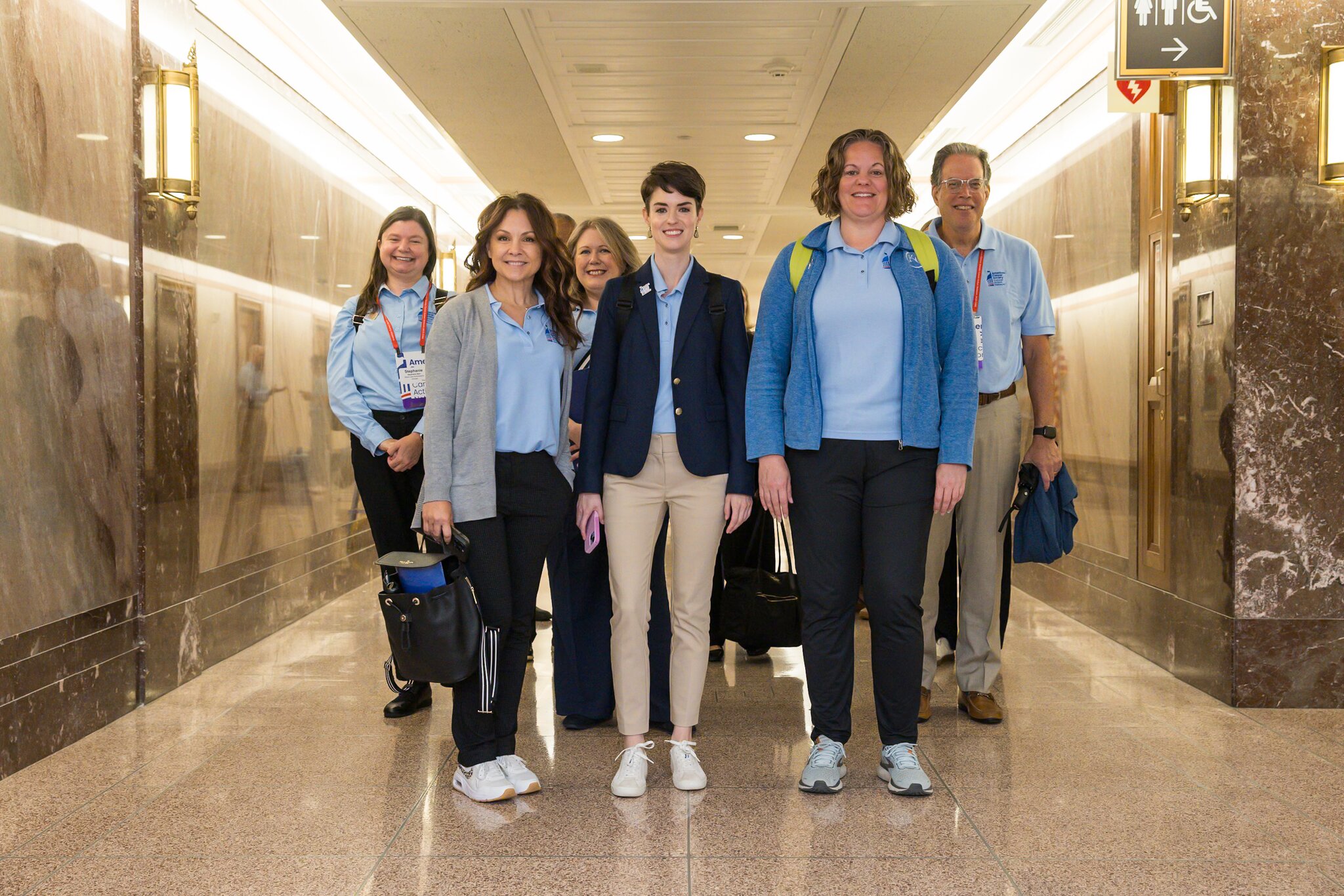
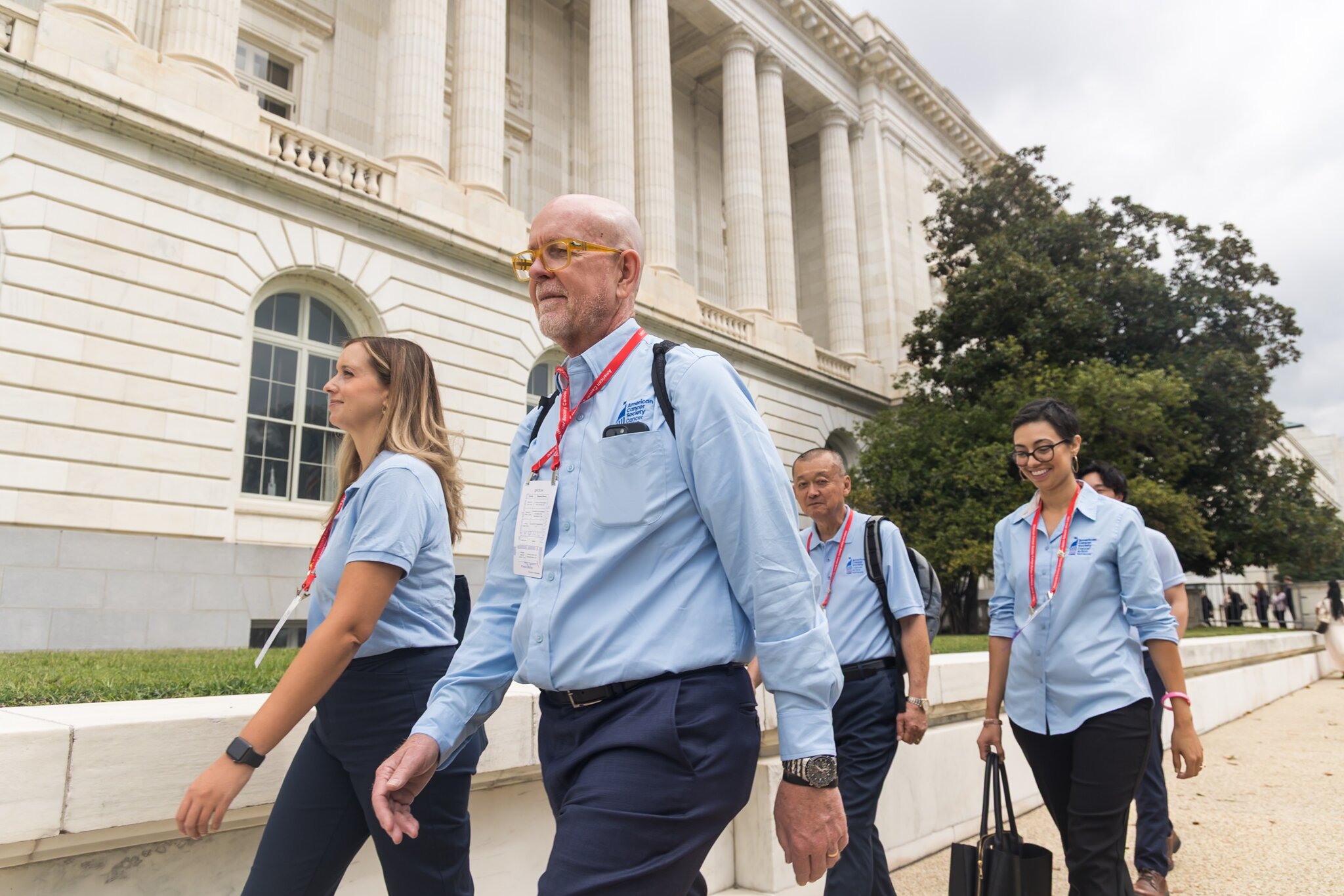
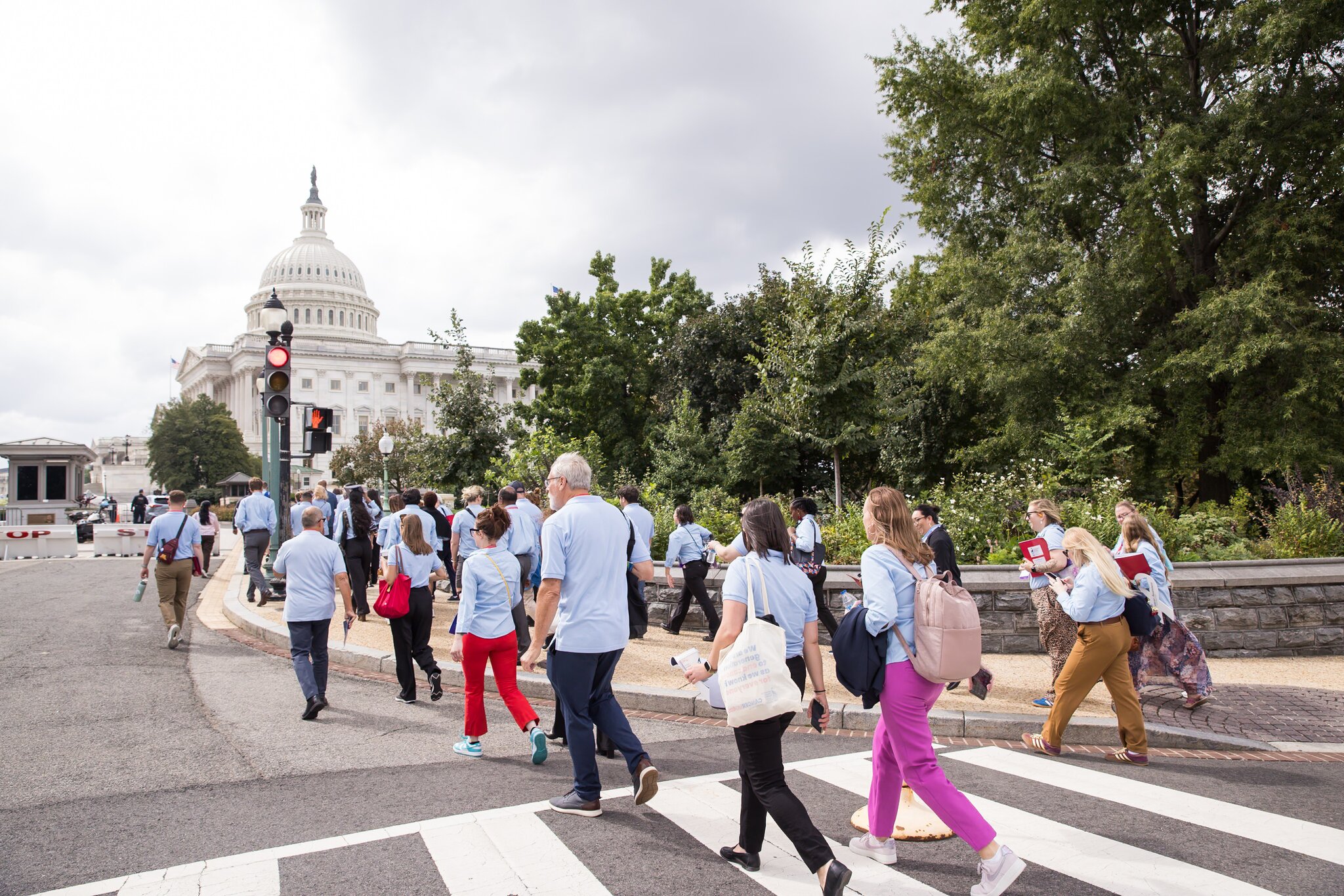
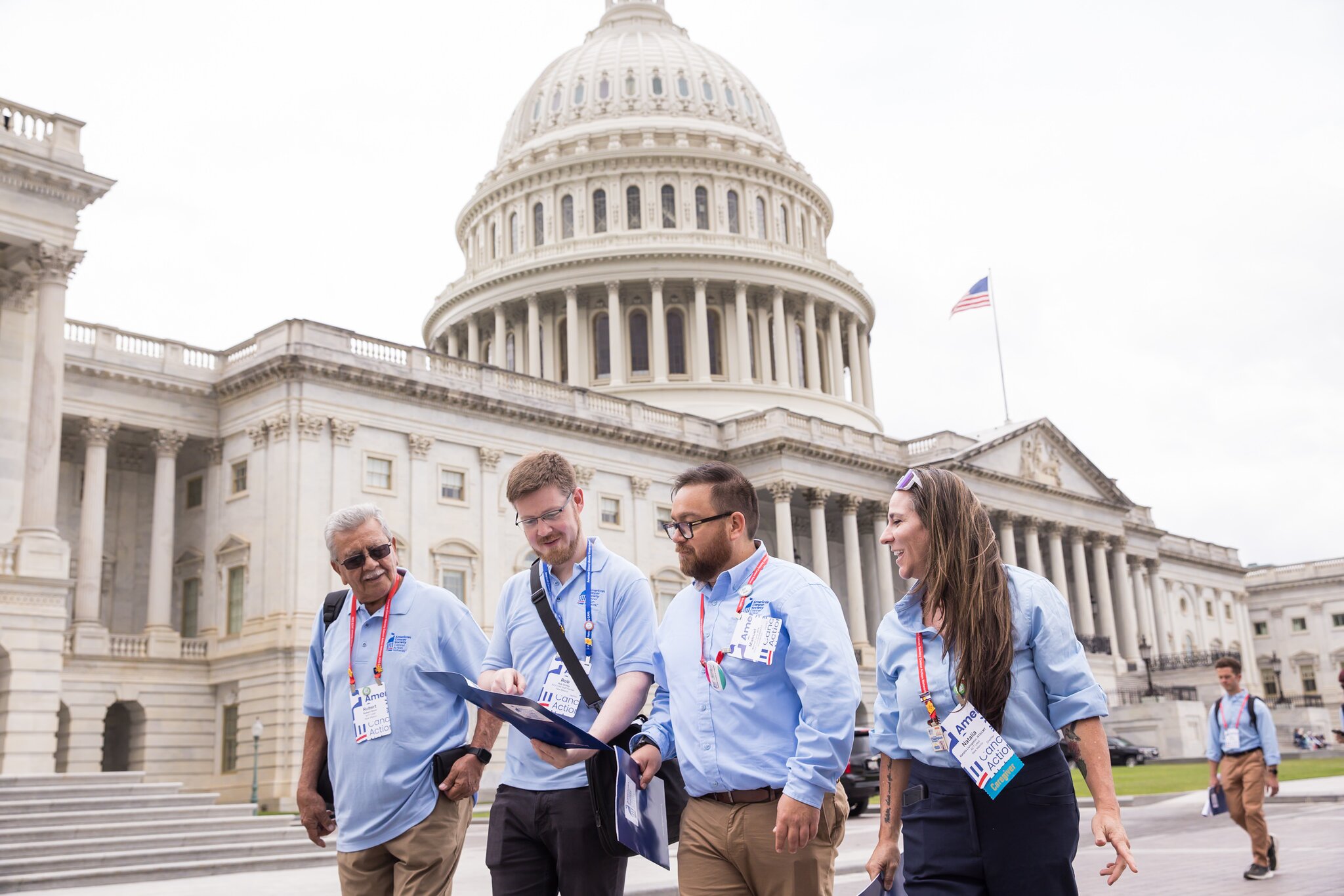
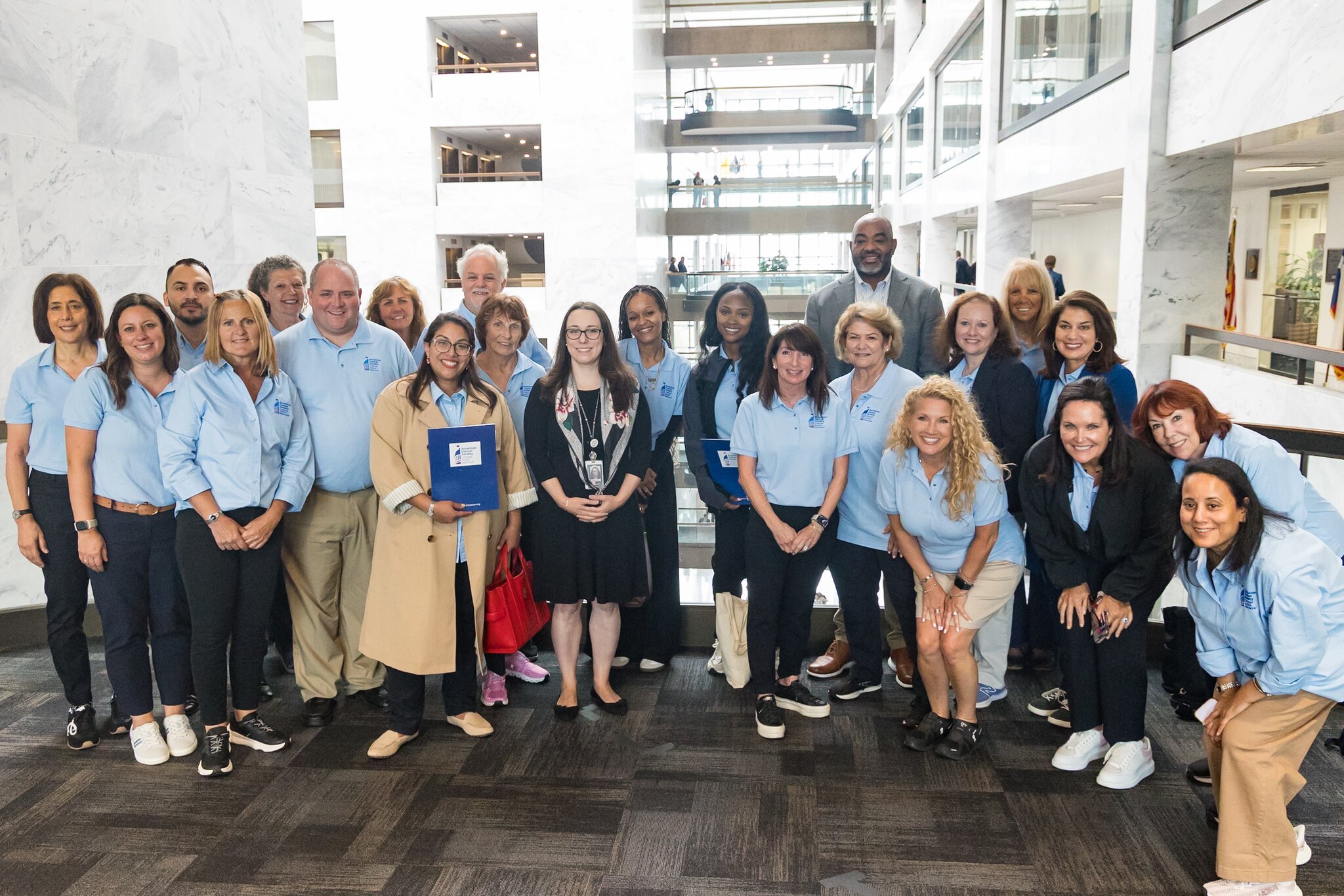
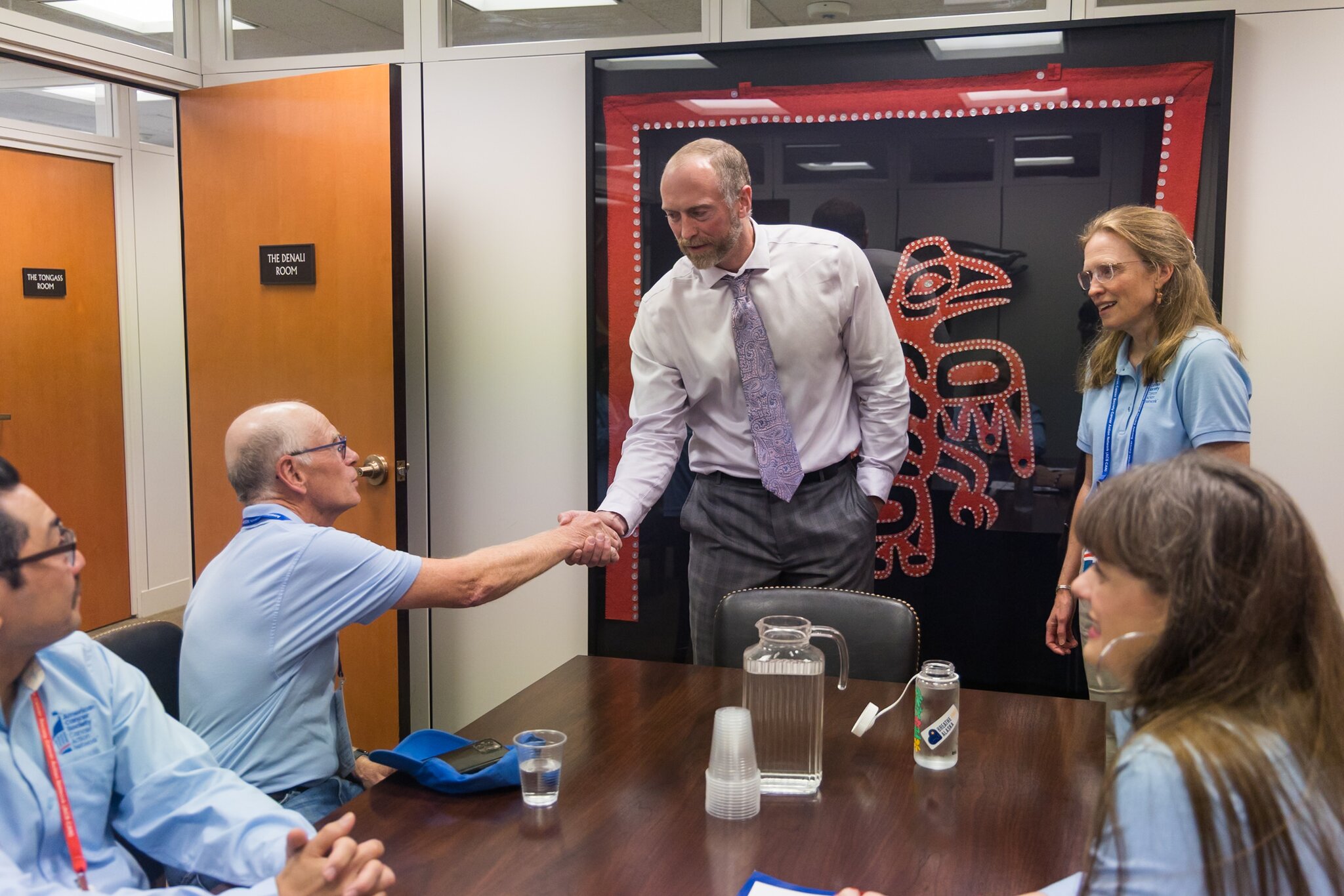
Advocates participated in meetings with all 100 Senate offices and 384 House offices, including 122 member-level meetings and 173 senior staff-level meetings, to ask lawmakers to:
During LS&LD, volunteers attended the House Ways and Means Committee meeting, where members of Congress acknowledged the sea of ACS CAN blue shirts in the room. Volunteers were thanked publicly for showing up, and their presence was credited with helping drive momentum for the unanimous passage of the MCED bill – with a vote 43 to 0.
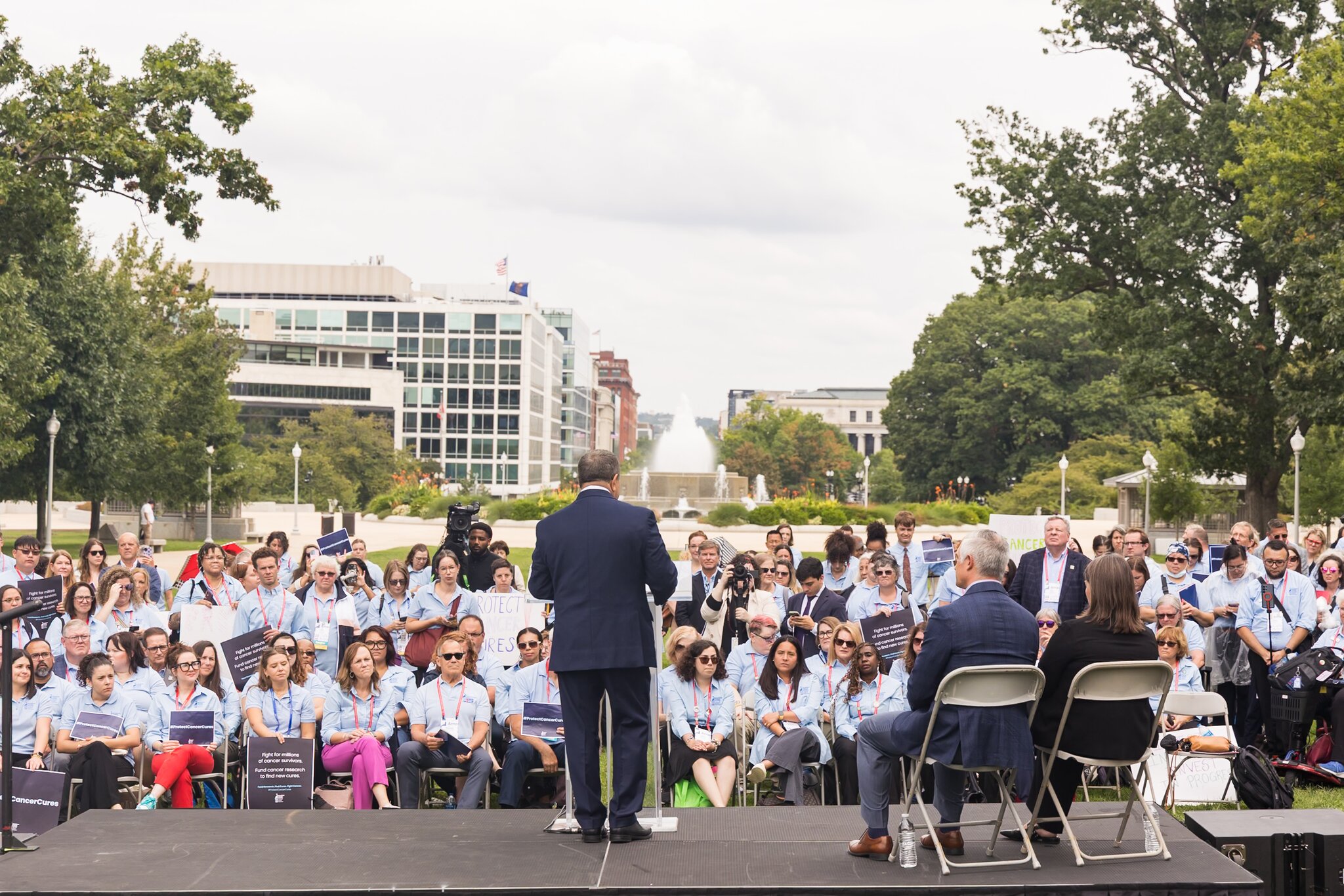
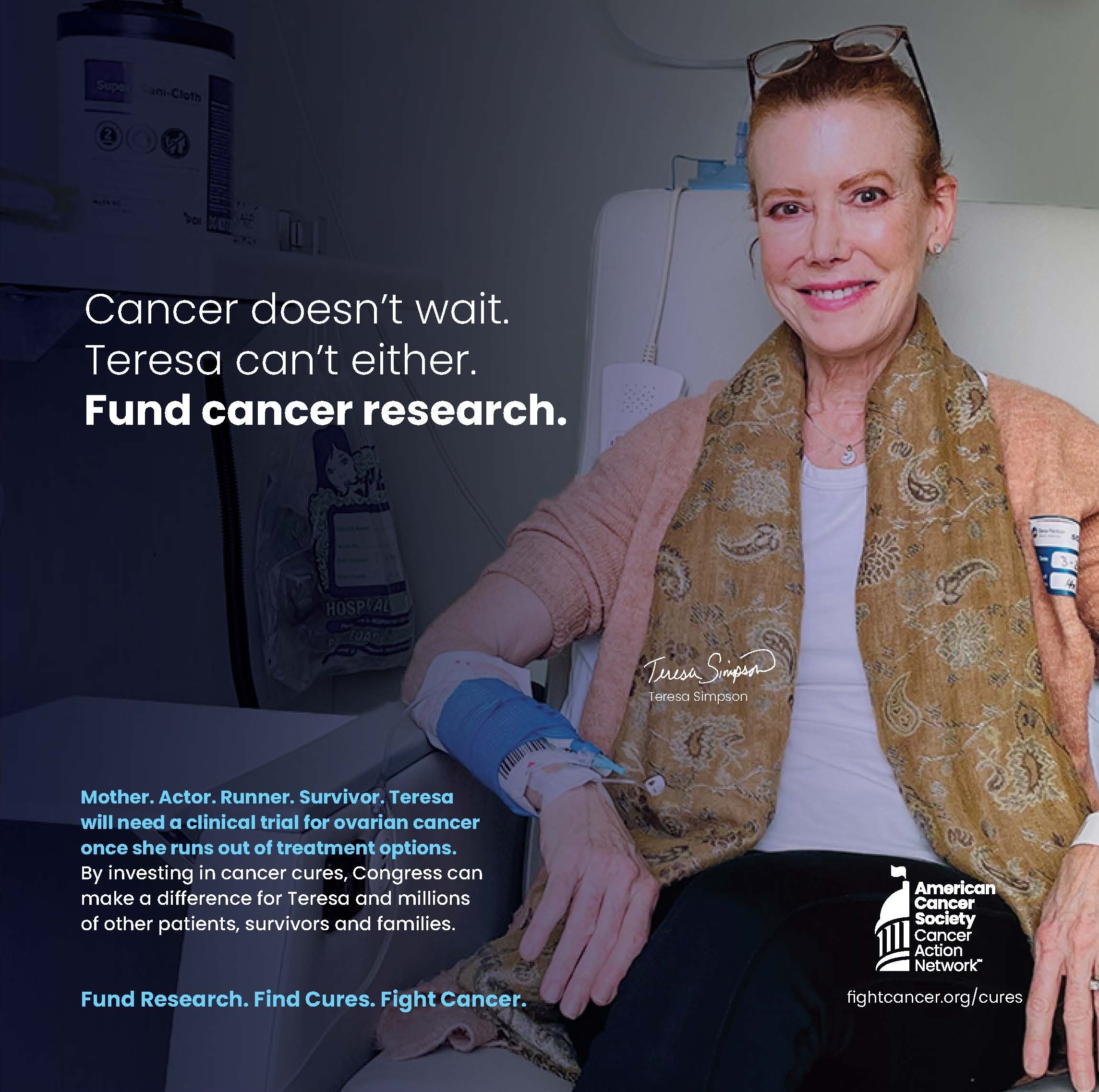
Additionally, ACS CAN hosted an impactful rally on Capitol Hill to highlight the importance of federal investments in cancer research and prevention. This rally featured remarks from an ACS CAN volunteer, Teresa Simpson of Massachusetts, as well as remarks from a bipartisan, bicameral group of members of Congress who emphasized the importance of federal investment.

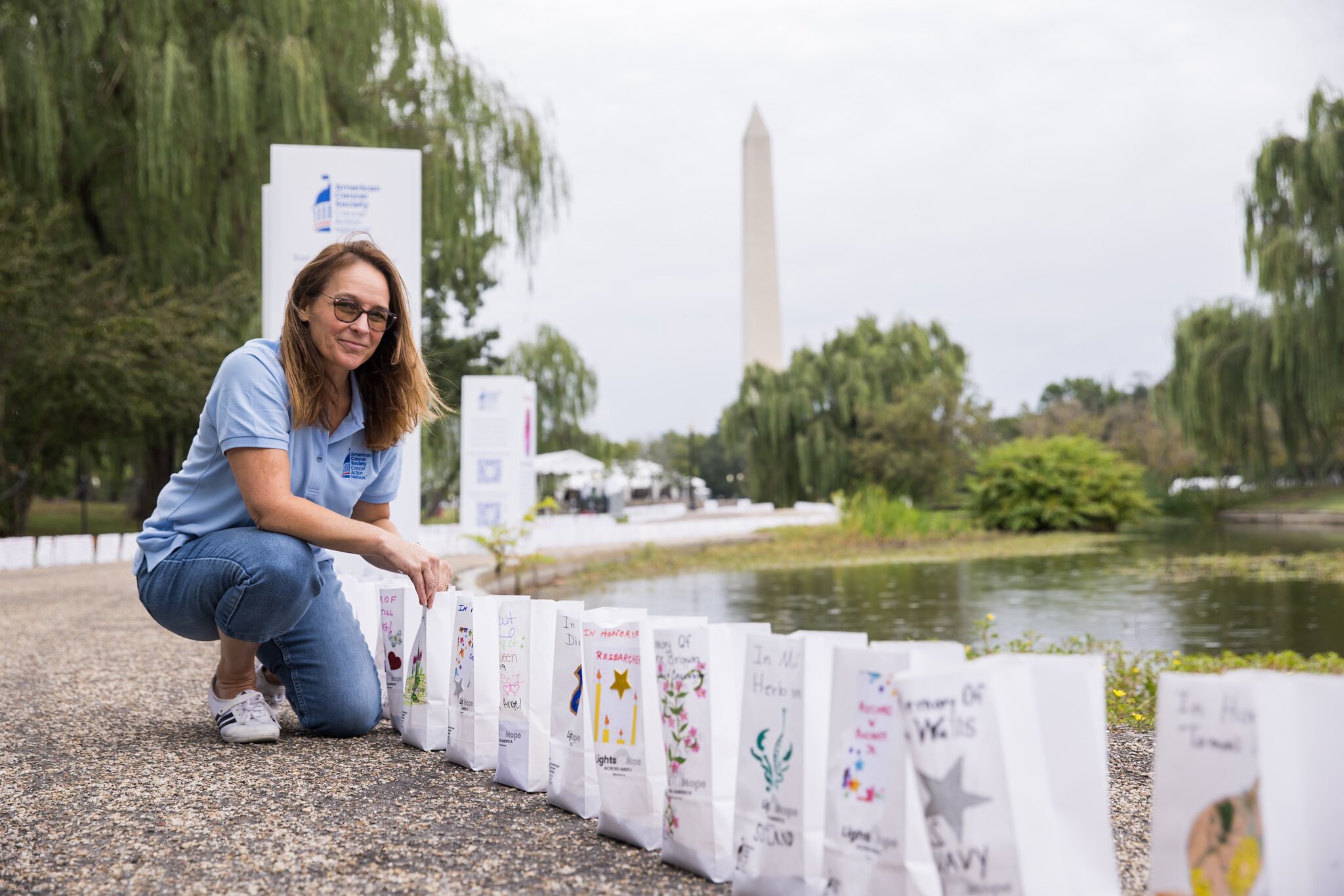
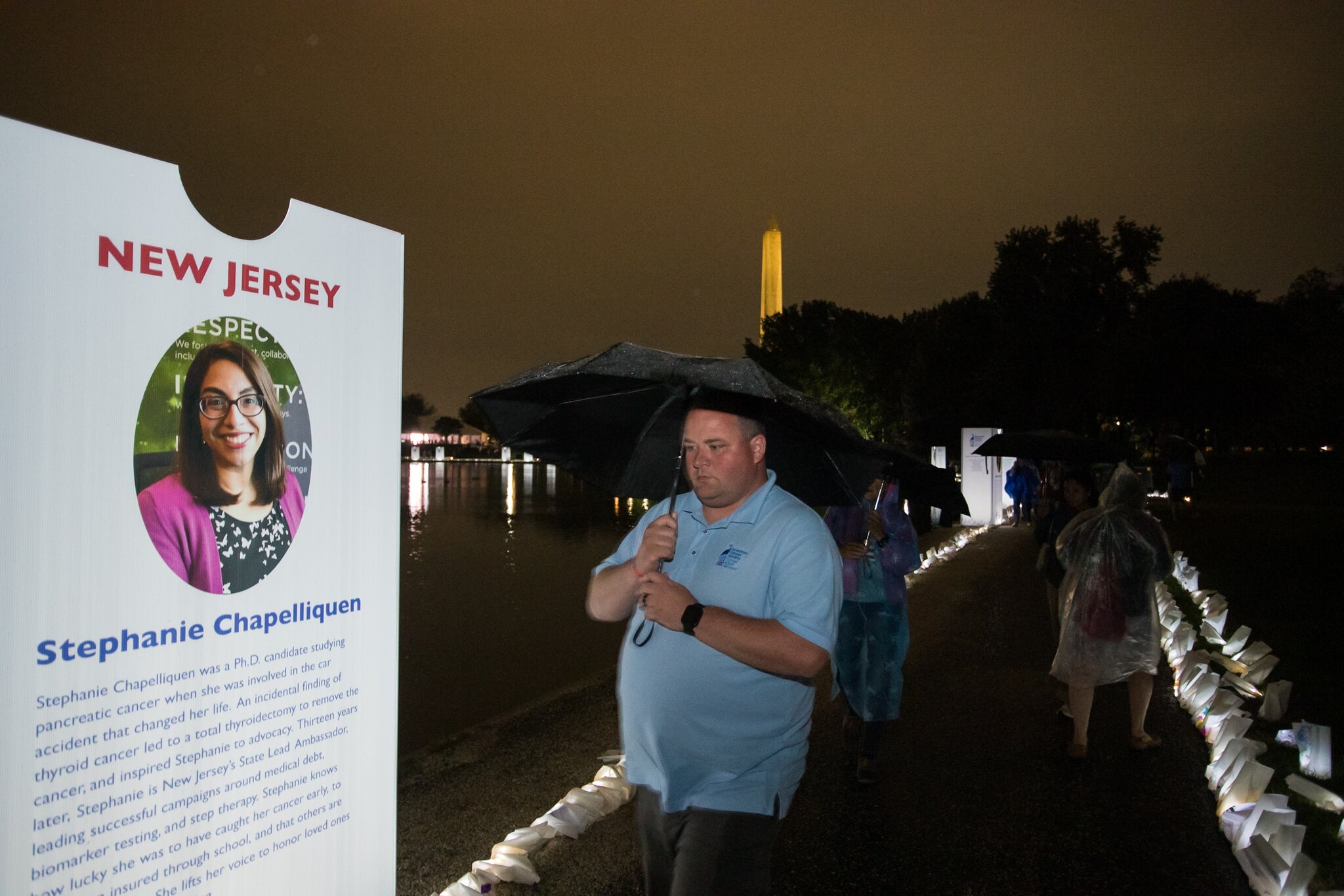
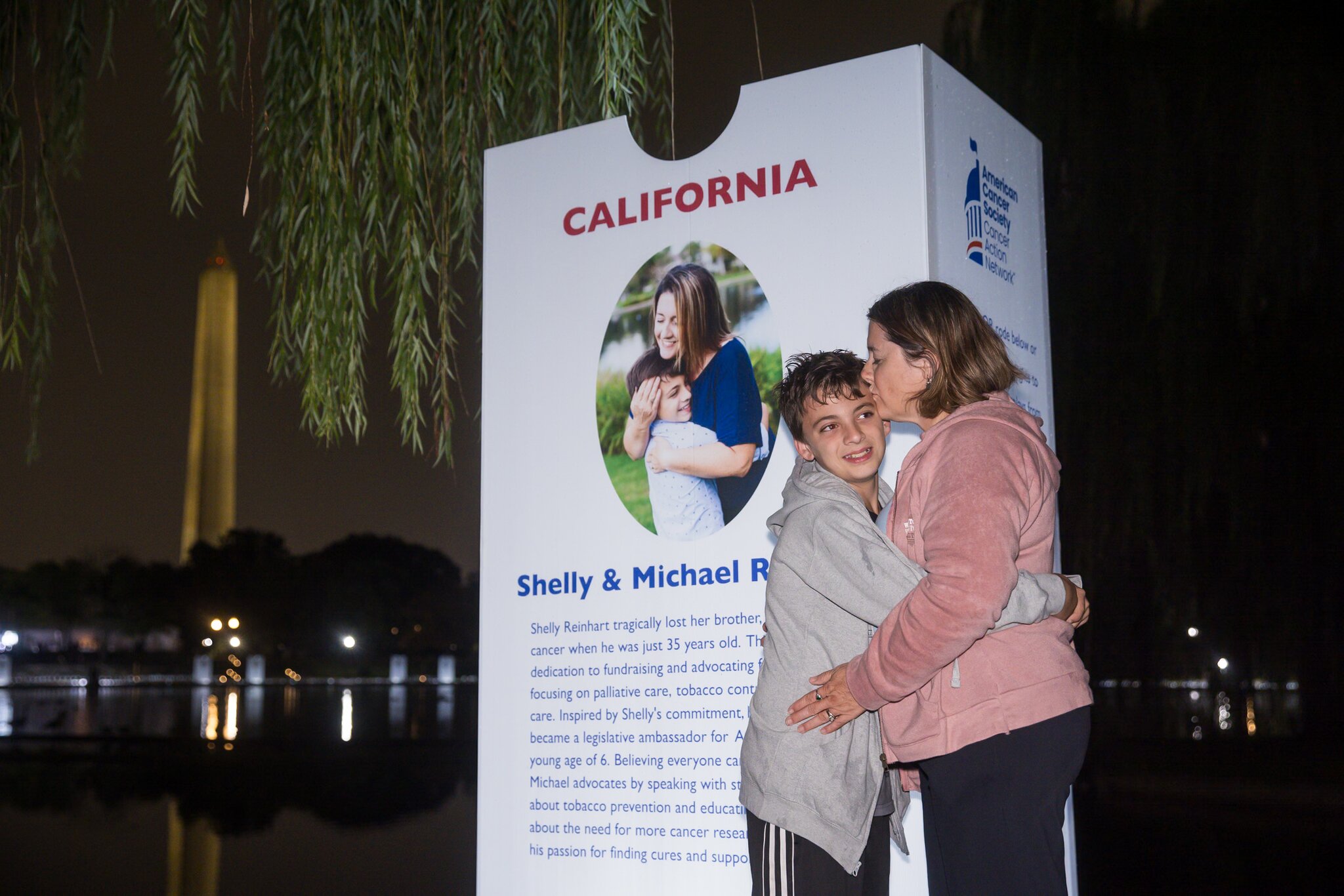
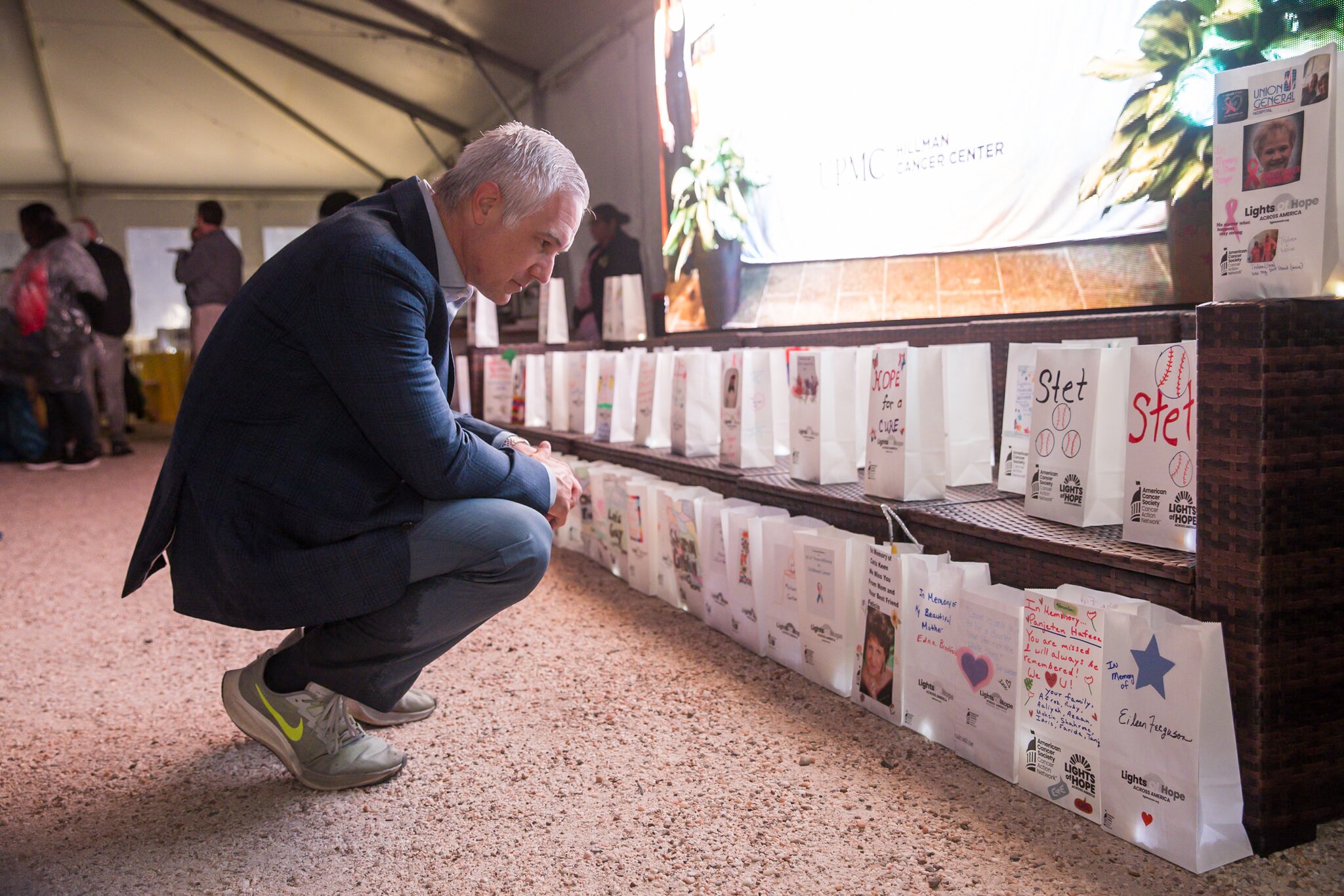
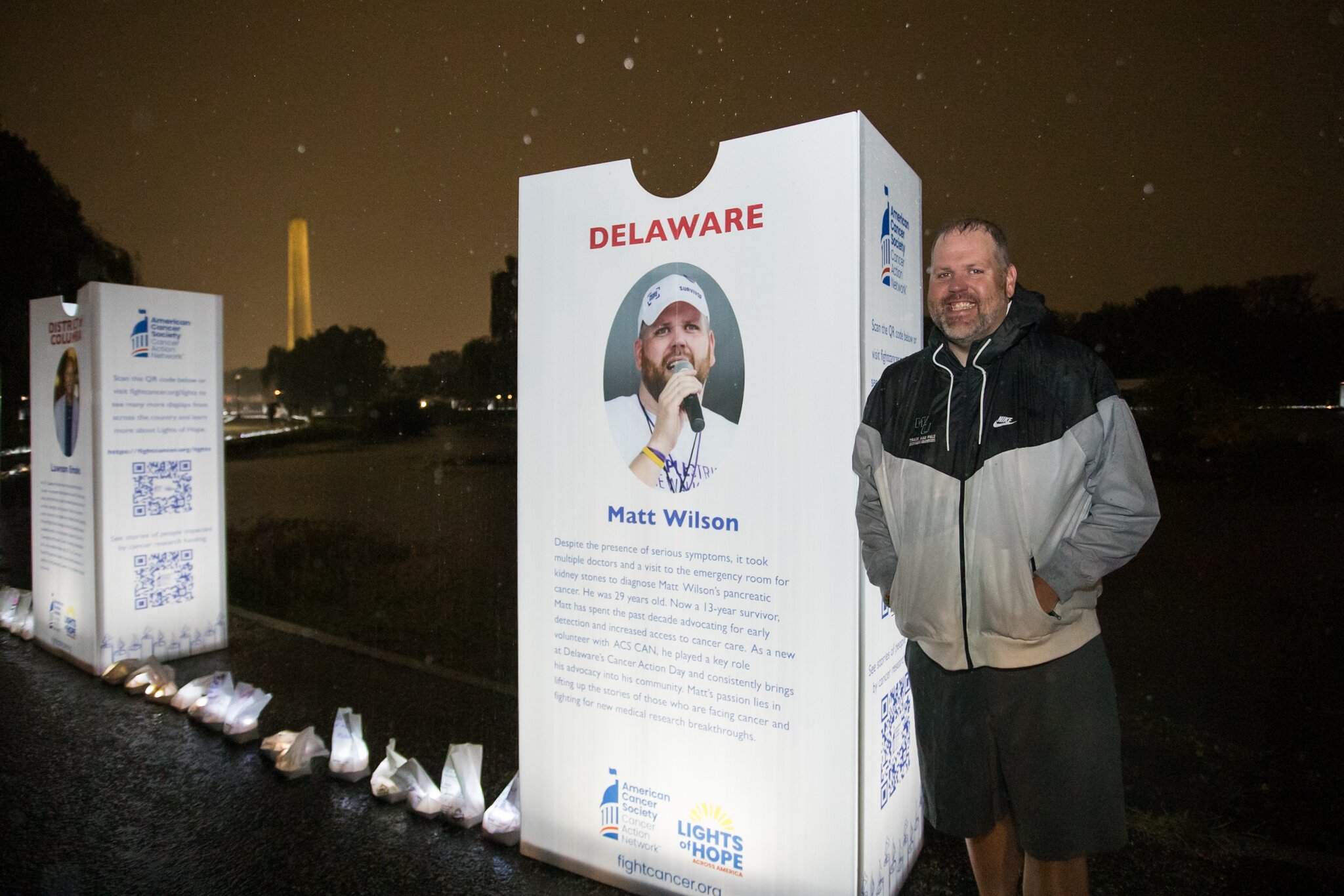
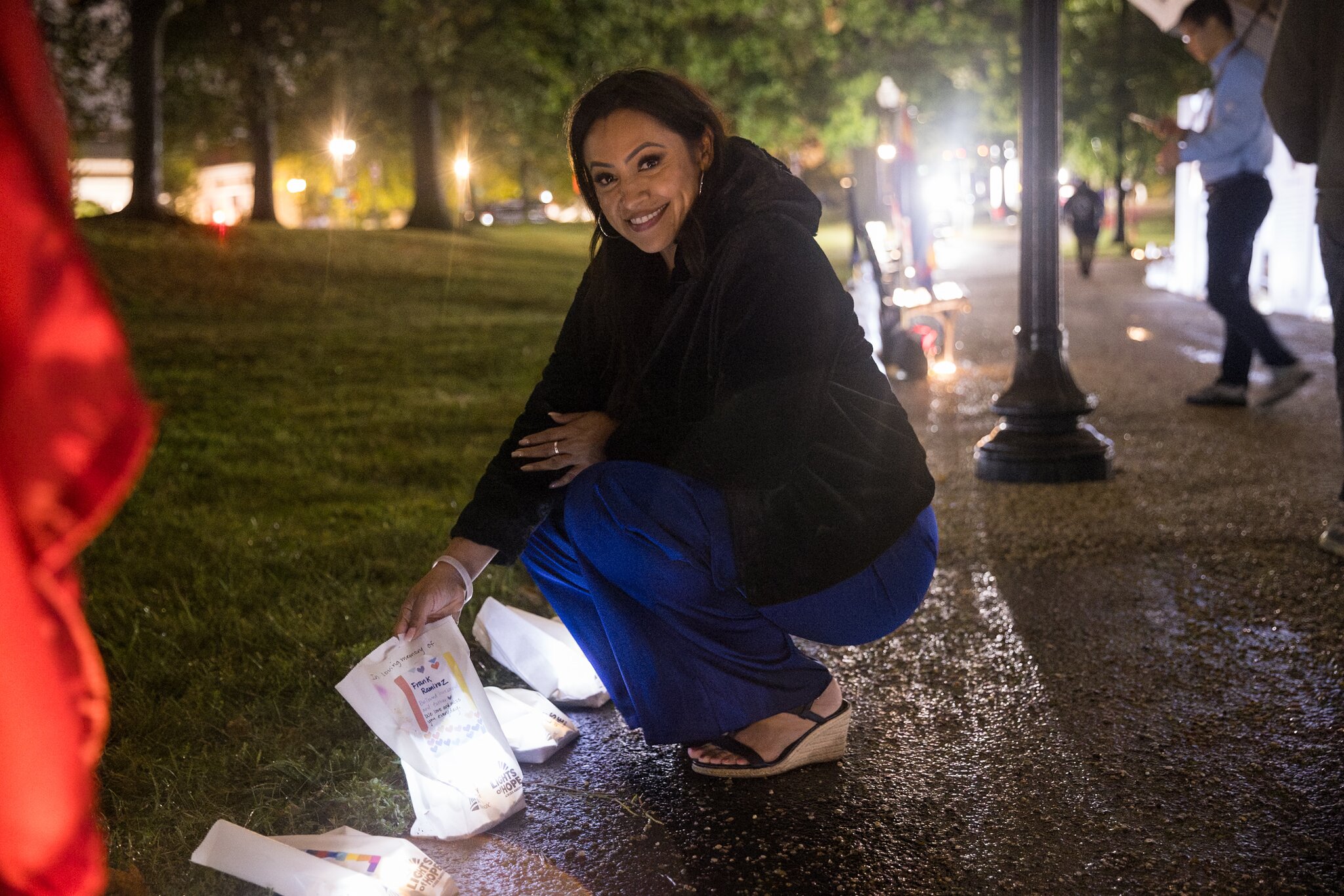
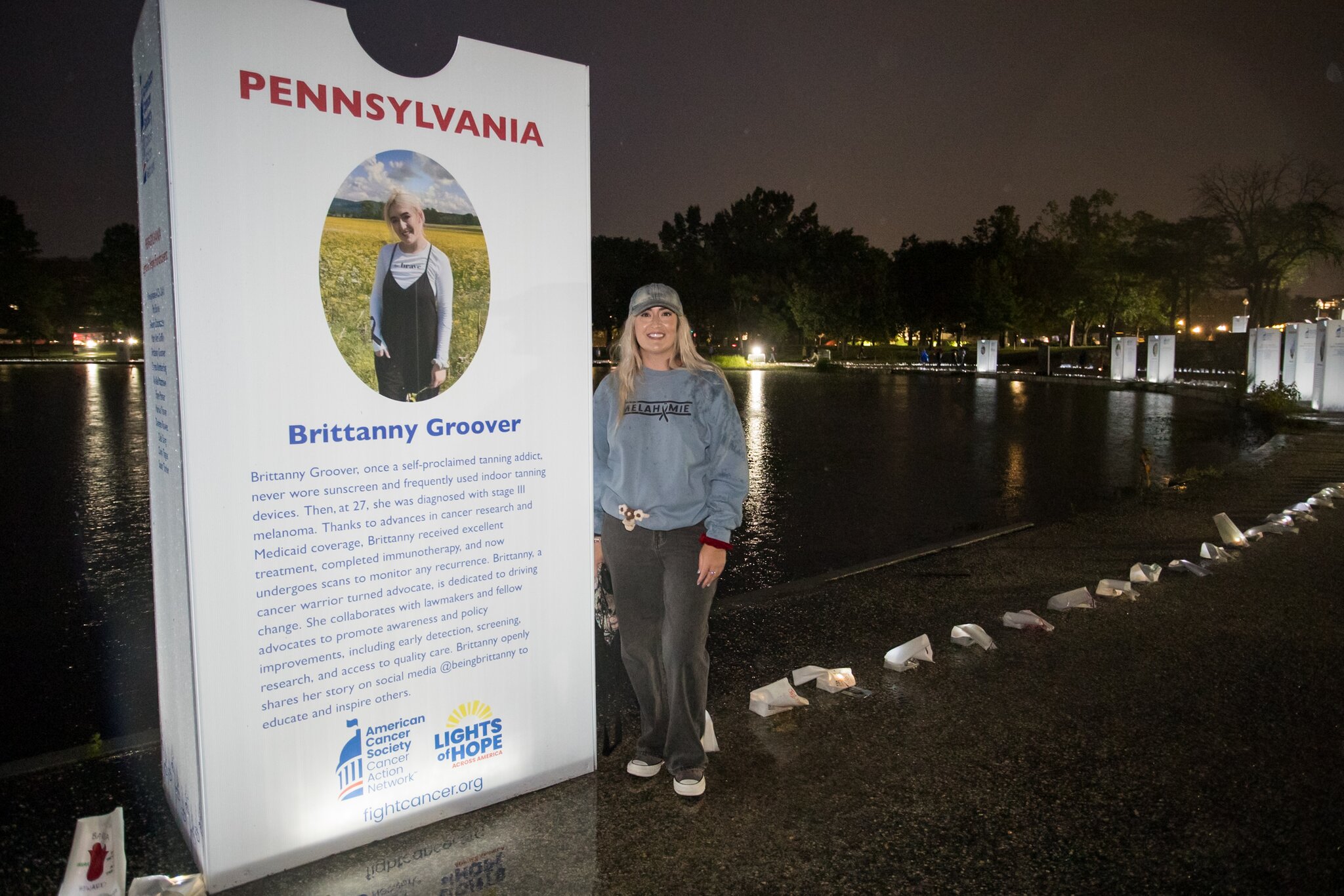
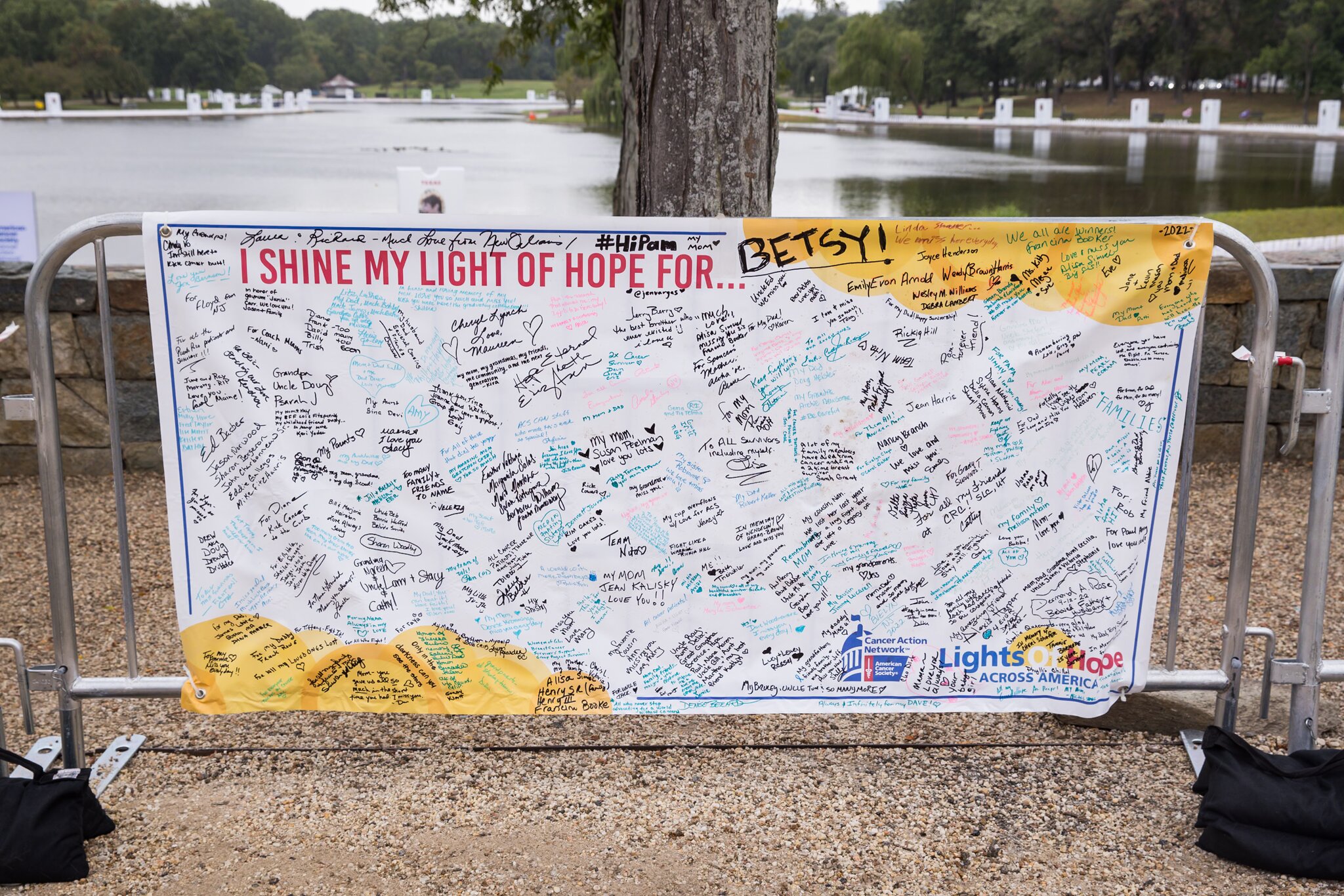
ACS CAN honored loved ones and all those touched by cancer during our 15th annual National Lights of Hope event. With nearly 10,000 decorated bags in Washington, D.C., displaying nearly 85,000 bags nationwide, and 53 7-foot-high story columns highlighting one story from each state and territory, hundreds of advocates and supporters participated in the event at Constitution Gardens on the National Mall. In addition to the display in Washington, D.C., Lights of Hope were displayed in communities across the country. Volunteers raised more than $925,000 in 2025, including more than 280 local sponsorships nationwide.
Our voices were amplified through media coverage of Lights of Hope and LS&LD featuring volunteers sharing their personal stories and highlights of their time in the nation’s capital – one of which was an NPR story reported by Noam Levey in partnership with KFF Health News that showcased our New York volunteers’ deeply personal reasons for advocating, and the real impact of these conversations on Capitol Hill. Listen to the full NPR story.
Additionally, volunteers participated in 36 interviews on LS&LD alone through a radio and TV media tour, including multicultural media outlets serving Hispanic/Latino and Black communities. In the days and weeks following the event, we secured more than 480 media hits. Volunteers also took to our social media platforms to amplify the event with over 1.1K posts and more than 44.4K engagements, that reached 1.9 million accounts with an absolute reach of over 6 million.


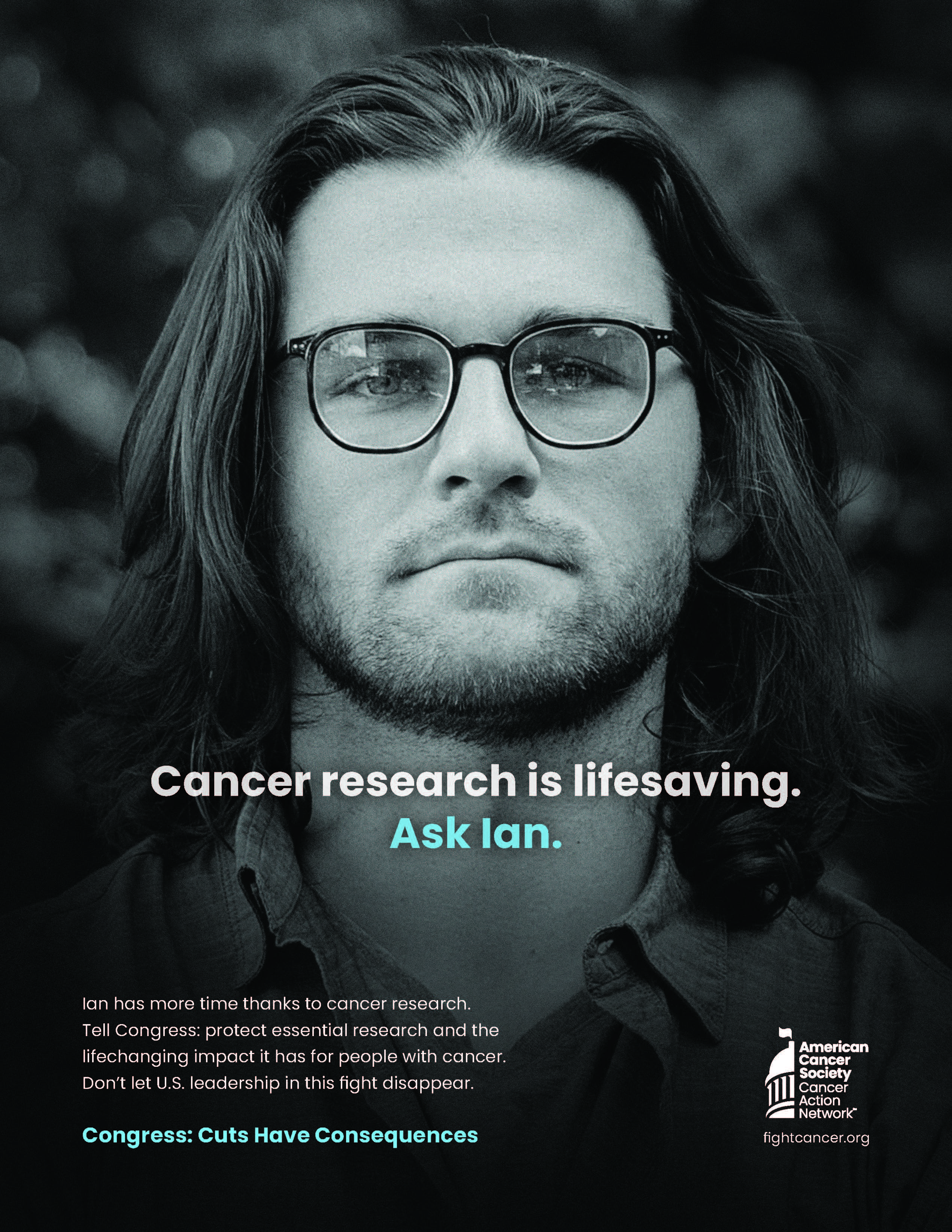
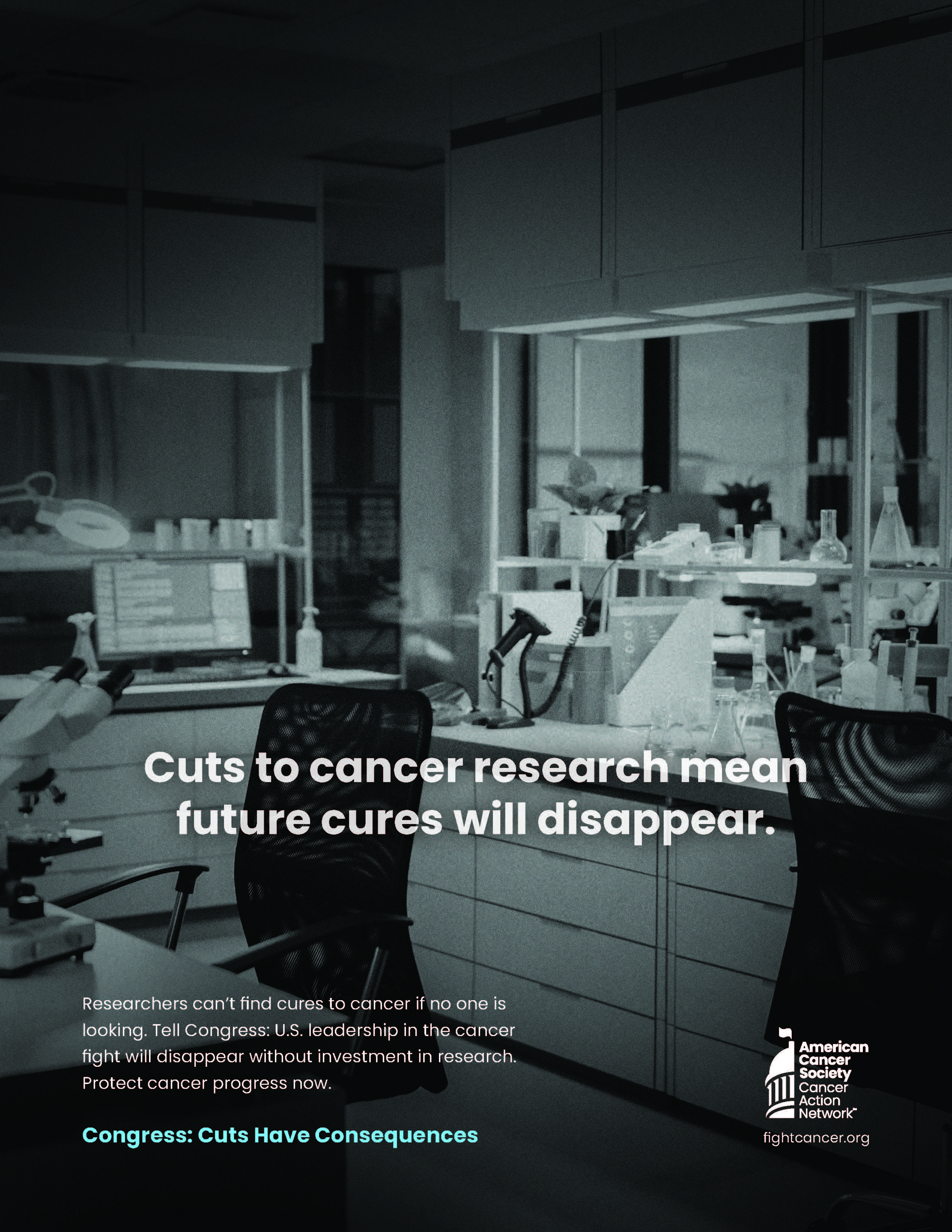
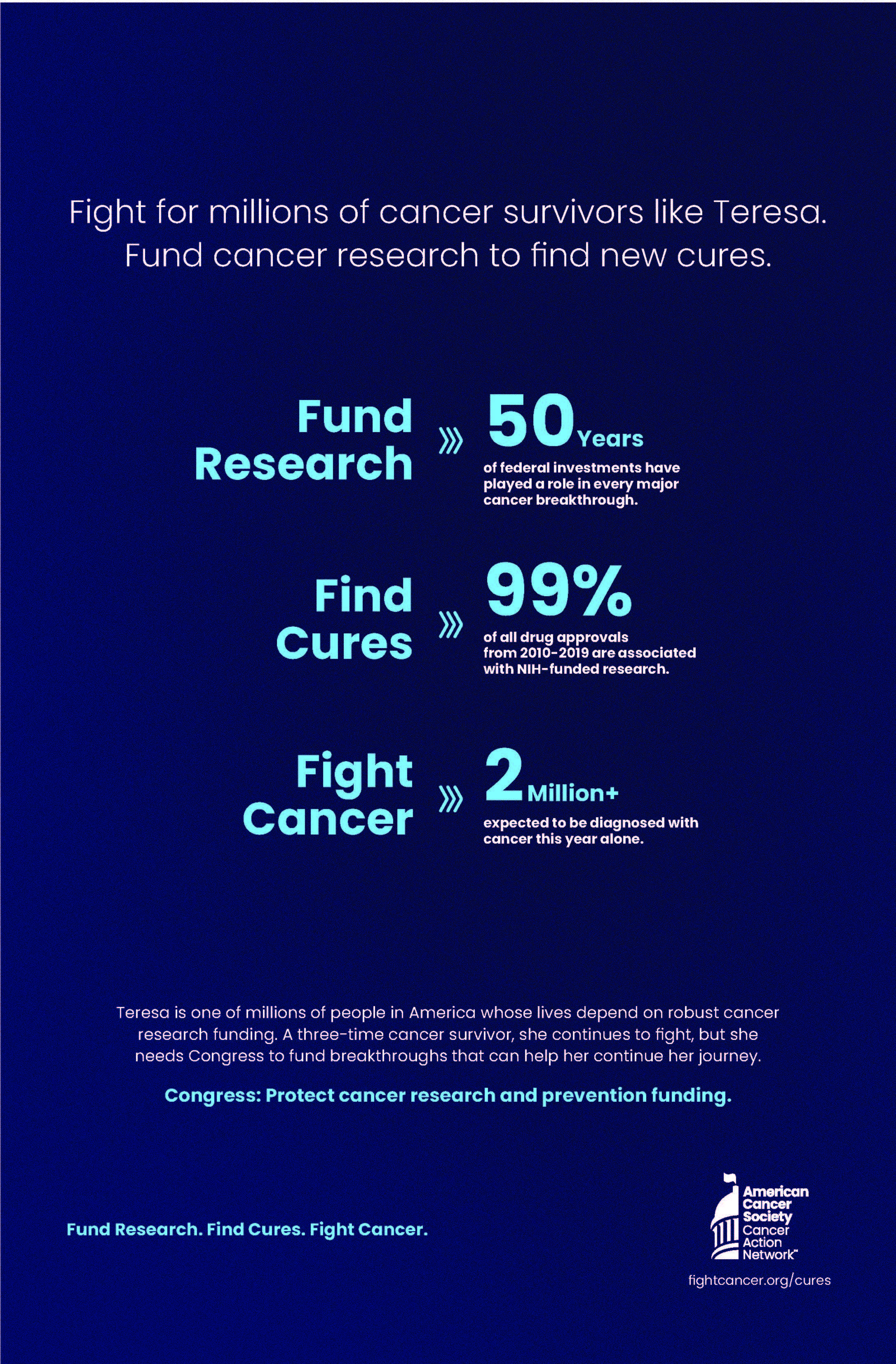
In 2025, ACS CAN’s advertising supporting both our Protect Cancer Cures campaign and our efforts to Protect Medicaid generated more than 17.7 million impressions nationwide, elevating patient and survivor stories while driving attention to the need to protect cancer research funding and access to care.
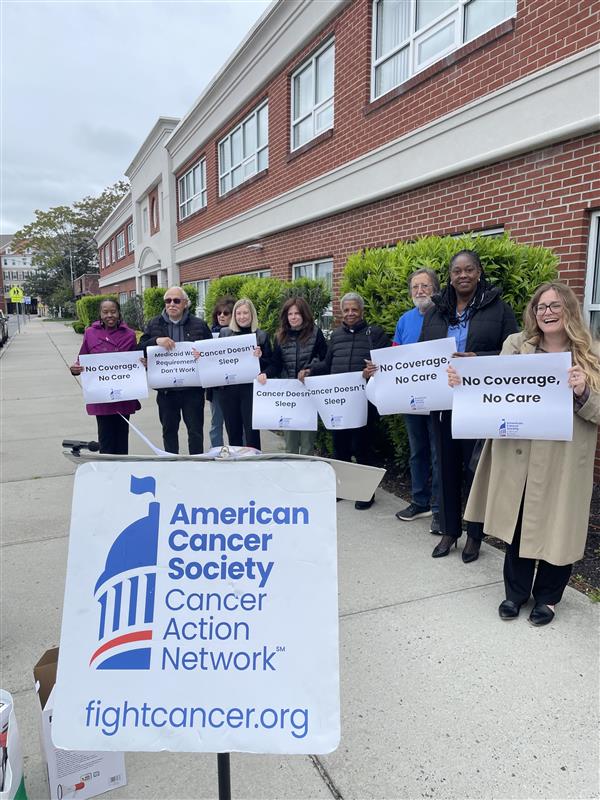
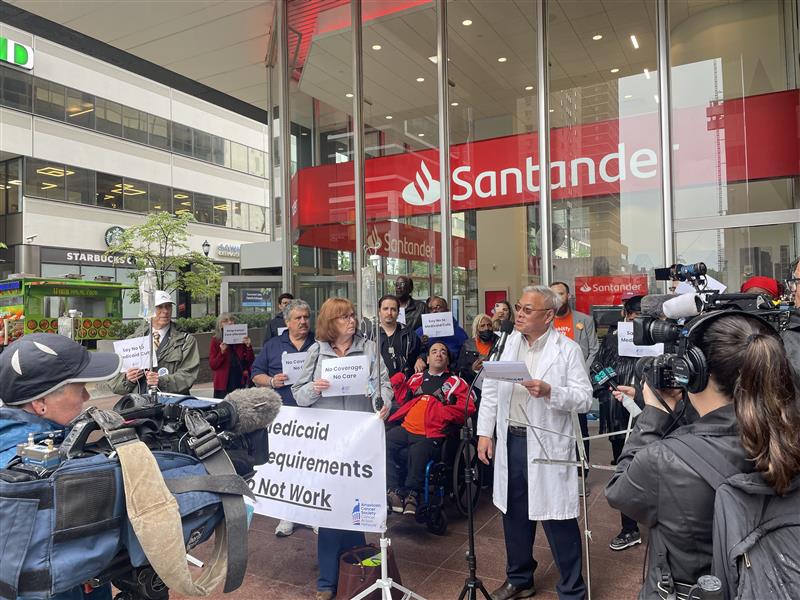
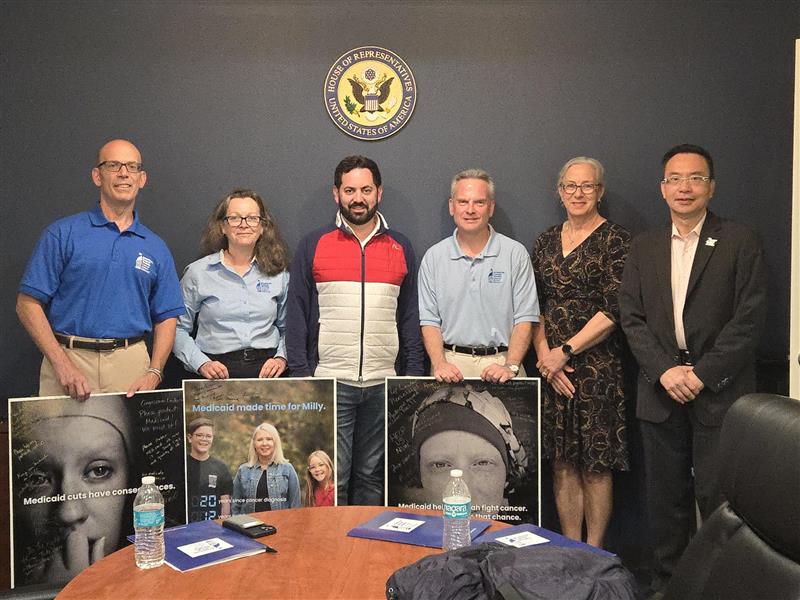
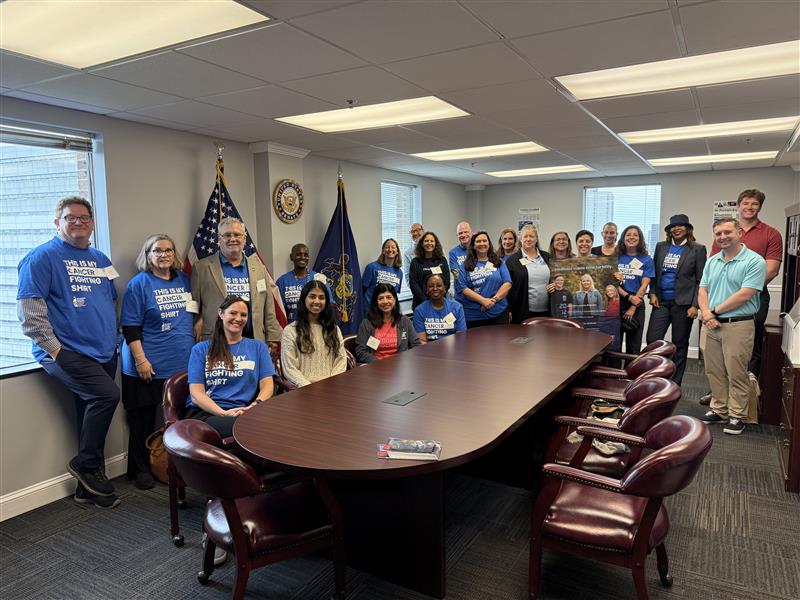
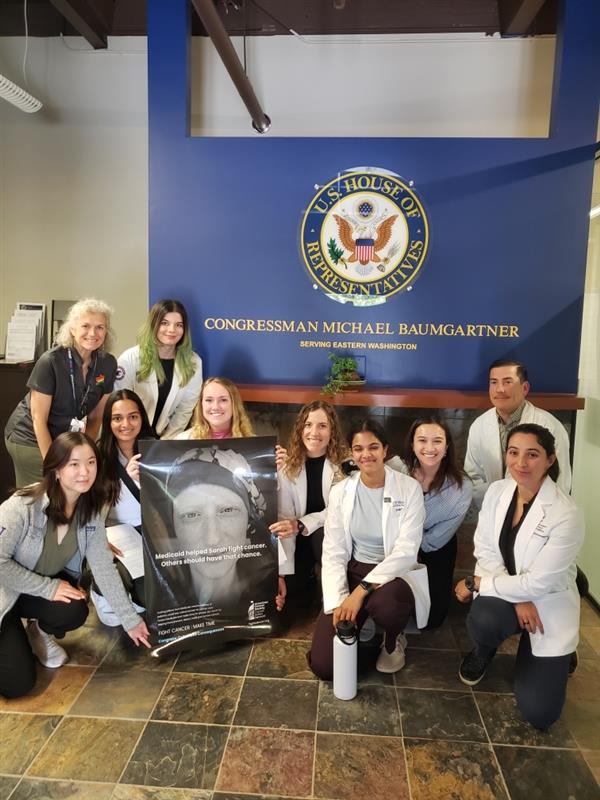
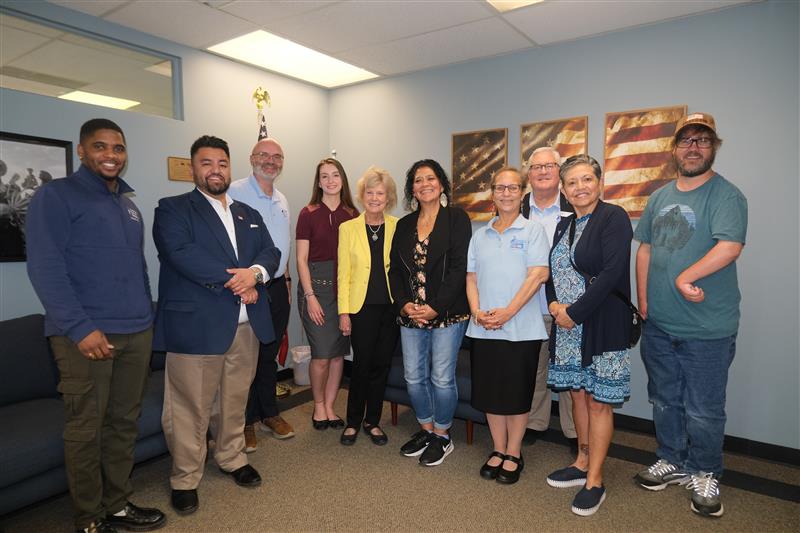
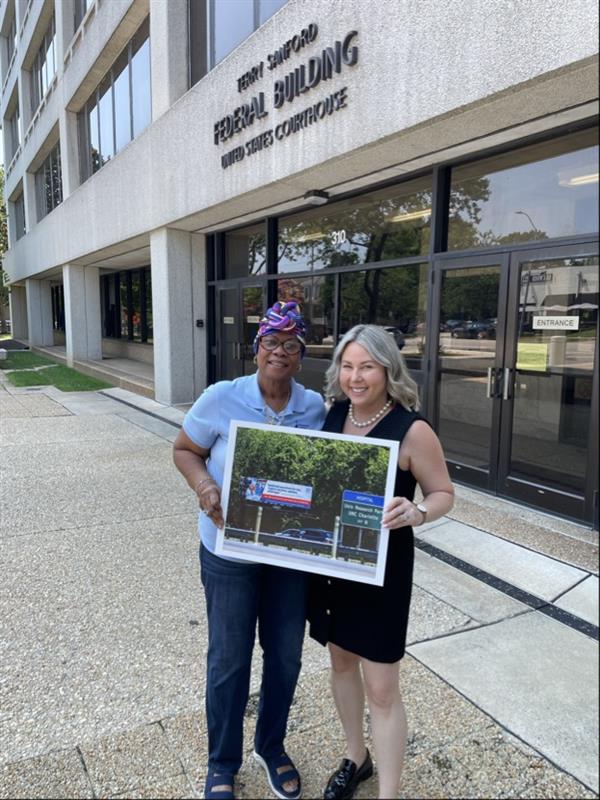
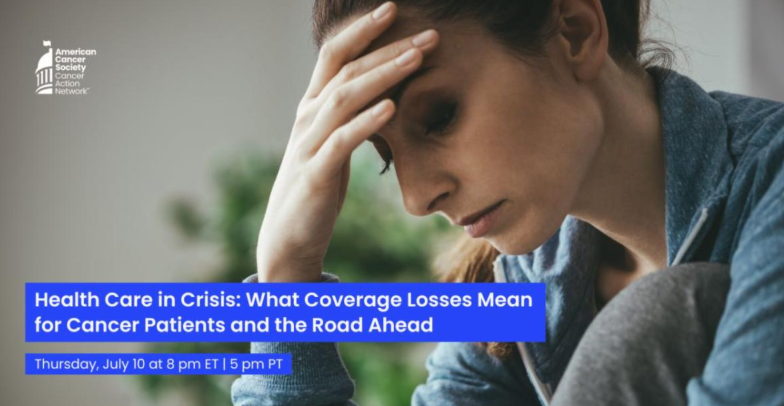
ACS CAN demonstrated power and presence to fight for cancer patients and their families at risk of losing affordable, quality health insurance. The devastating rollbacks to Medicaid and Marketplace coverage in early July, marked by Congress passing the 2025 Budget Reconciliation Bill, brought continued challenges and powerful reminders of why ACS CAN’s work is critically important.
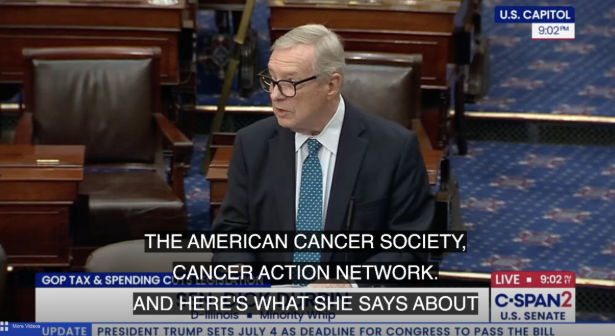
ACS CAN is deeply grateful to the dedicated team members and volunteers who continued to mobilize at every stage of our nationwide campaign. Our voices were heard – loud and clear. One of the most powerful moments in this fight came when Senator Dick Durbin brought ACS CAN’s position to the Senate floor. In his remarks (pictured below), he underscored the real-life consequences of the bill, quoting our statement directly:
“Voting for this bill means voting to rip that chance of survival away from real people,” he read. “Simply put, this bill will mean more Americans are living sicker and dying sooner.”
This moment was a clear testament to the strength of our advocacy. It demonstrated that when ACS CAN advocates raise their voices – through phone calls, emails, letters, office visits and the sharing of personal stories – Congress listens. Our impact has been undeniable.
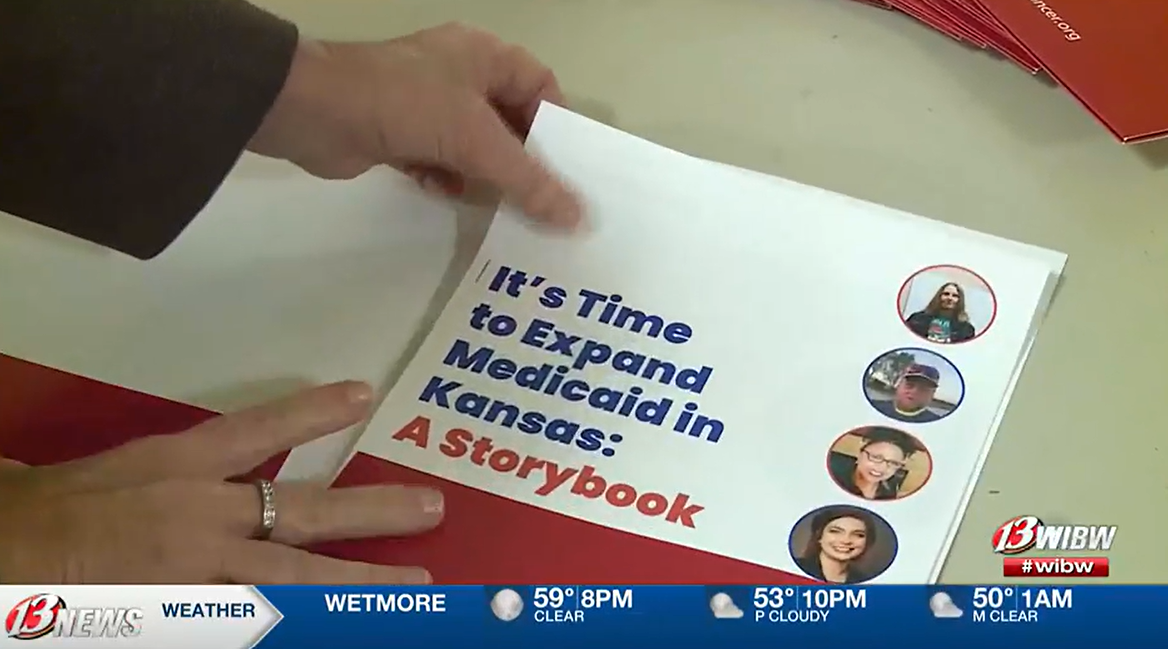
ACS CAN’s commitment to advancing our mission priorities was unwavering through the high-visibility efforts of our team members and volunteers. Across the country, our grassroots network was loudly amplified through our Protect Medicaid Campaign initiative. Advocates nationwide attended town halls, collected petitions at community events, launched billboards and amplified advocacy through social media. In addition to the incredible earned media placements in both national and local outlets, there have been a variety of high-impact activities and visibility across the nation.
Our Impact Mobilized:
ACS CAN led the charge nationwide to remove barriers to ensure everyone has access to lifesaving, evidence-based care. By uplifting the voices of those touched by cancer, we continuously illuminated the path toward change and called on policymakers at every level to take bold action.
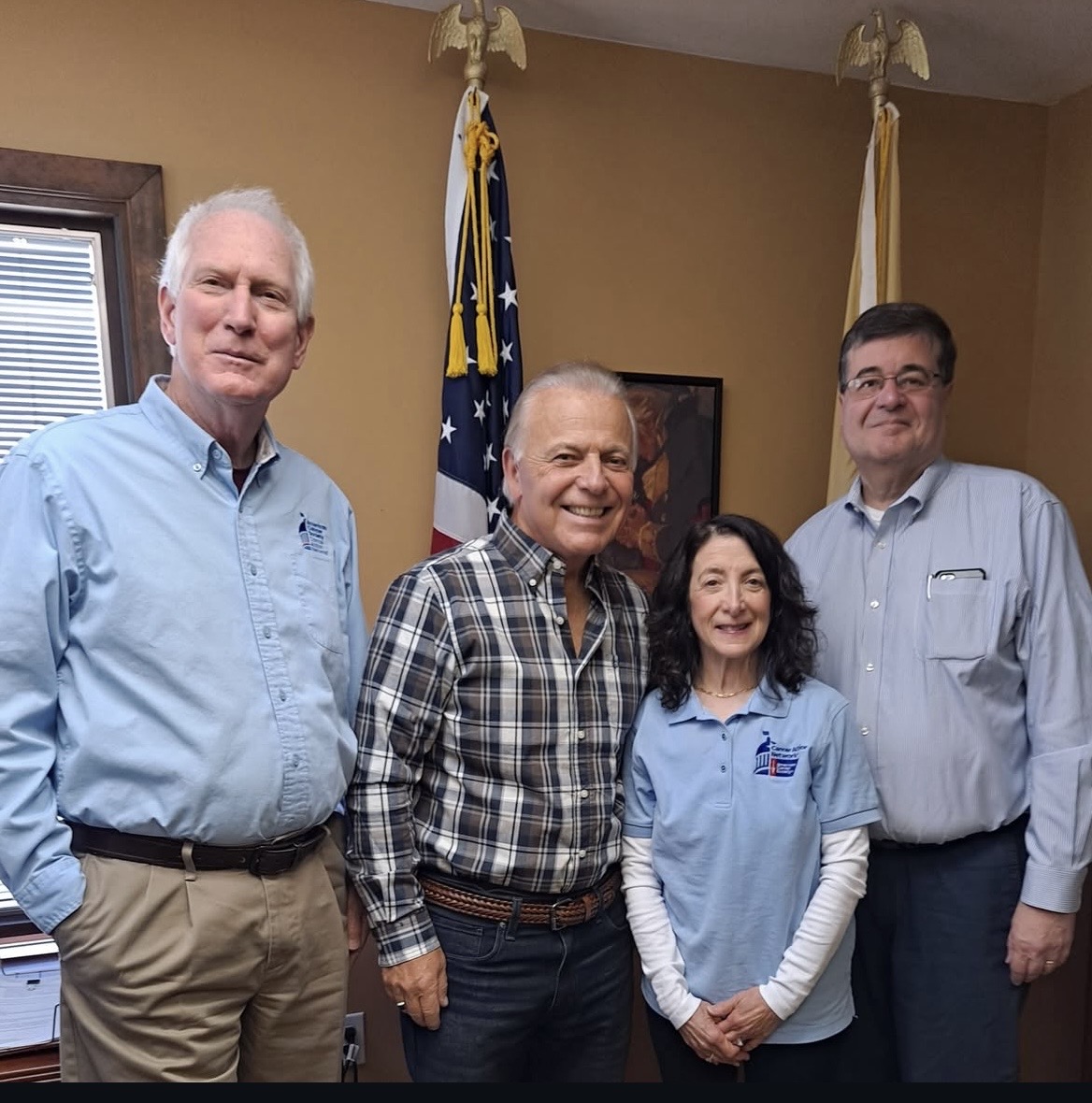
Through dedicated advocacy efforts, ACS CAN played a pivotal role in advancing policies that strengthen research funding and broaden access to innovative therapies. Ensuring that groundbreaking breakthroughs reach the individuals who need them most requires consistent, long-term growth in federal and state research funding, along with focused action to reduce inequities in personalized medicine and overcome obstacles to clinical trial participation.
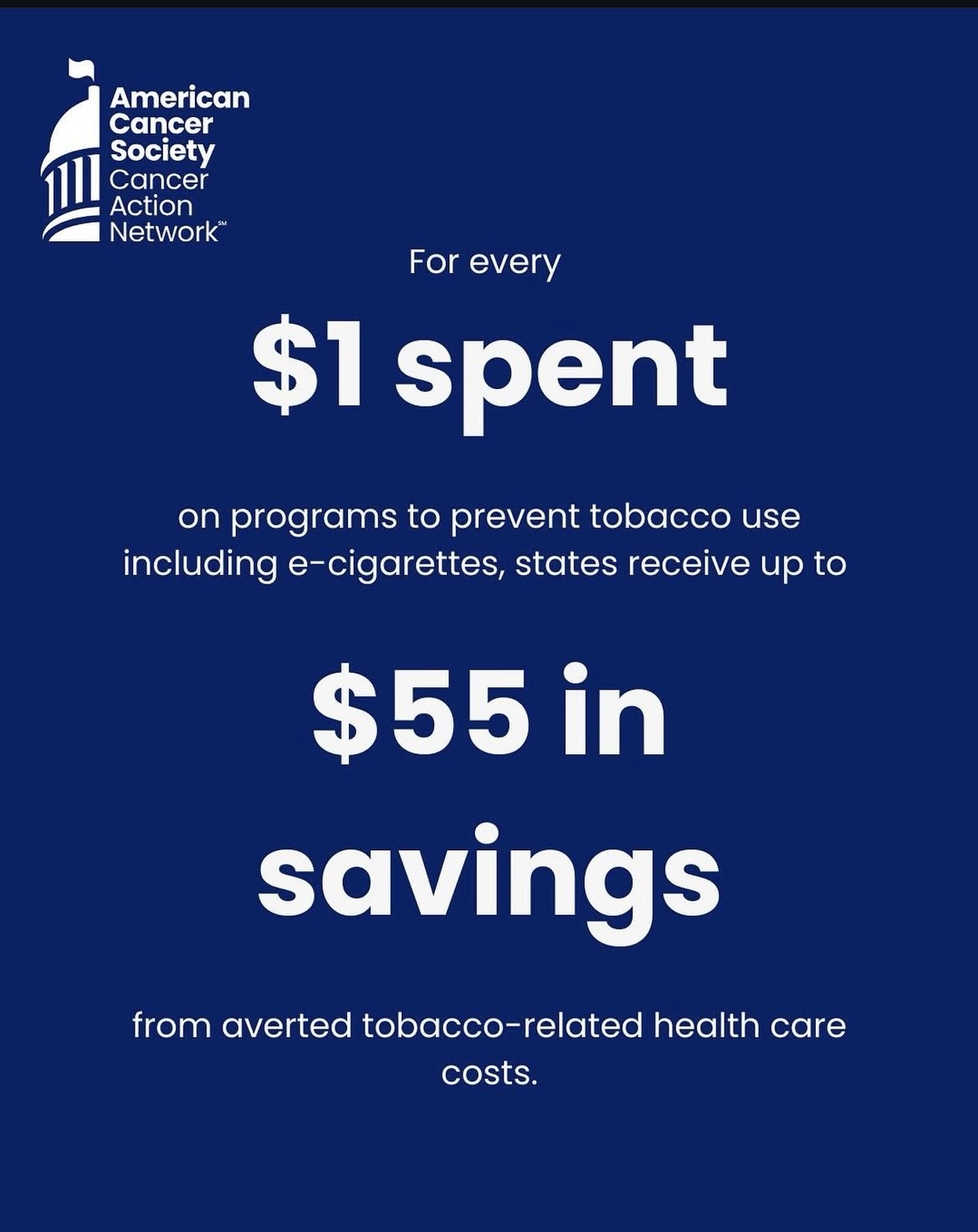
Expanding access to prevention and early detection services is critical in reducing the burden of cancer, improving health outcomes, and saving lives. ACS CAN achieved major progress in advancing tobacco control and expanding access to prevention and early detection services in 2025. We celebrated numerous victories from our advocacy efforts across local, state, and federal levels.
ACS CAN championed policies to help ensure every person regardless of race, sexual orientation, gender identity, disability status or geographic location has a fair opportunity to benefit from lifesaving cancer care advances. Prioritizing equitable access to health care and elevating the voices of communities that are most affected strengthened our collective efforts in bringing us closer to a future of affordable care and advancing policies that eliminate existing barriers.
In terms of tobacco control and prevention, ACS CAN’s health equity focus is to empower communities historically targeted by the tobacco industry and engage them in evidence-based local tobacco policy change. In 2025, we engaged and expanded our work within the Hispanic Latino, African American and Asian American Pacific Islander communities. Our efforts are funded through California tobacco tax revenue that we helped generate through a successful ballot initiative in 2016, and we have used this funding to expand our presence, influence and health equity in communities we otherwise would not have the resources to reach.
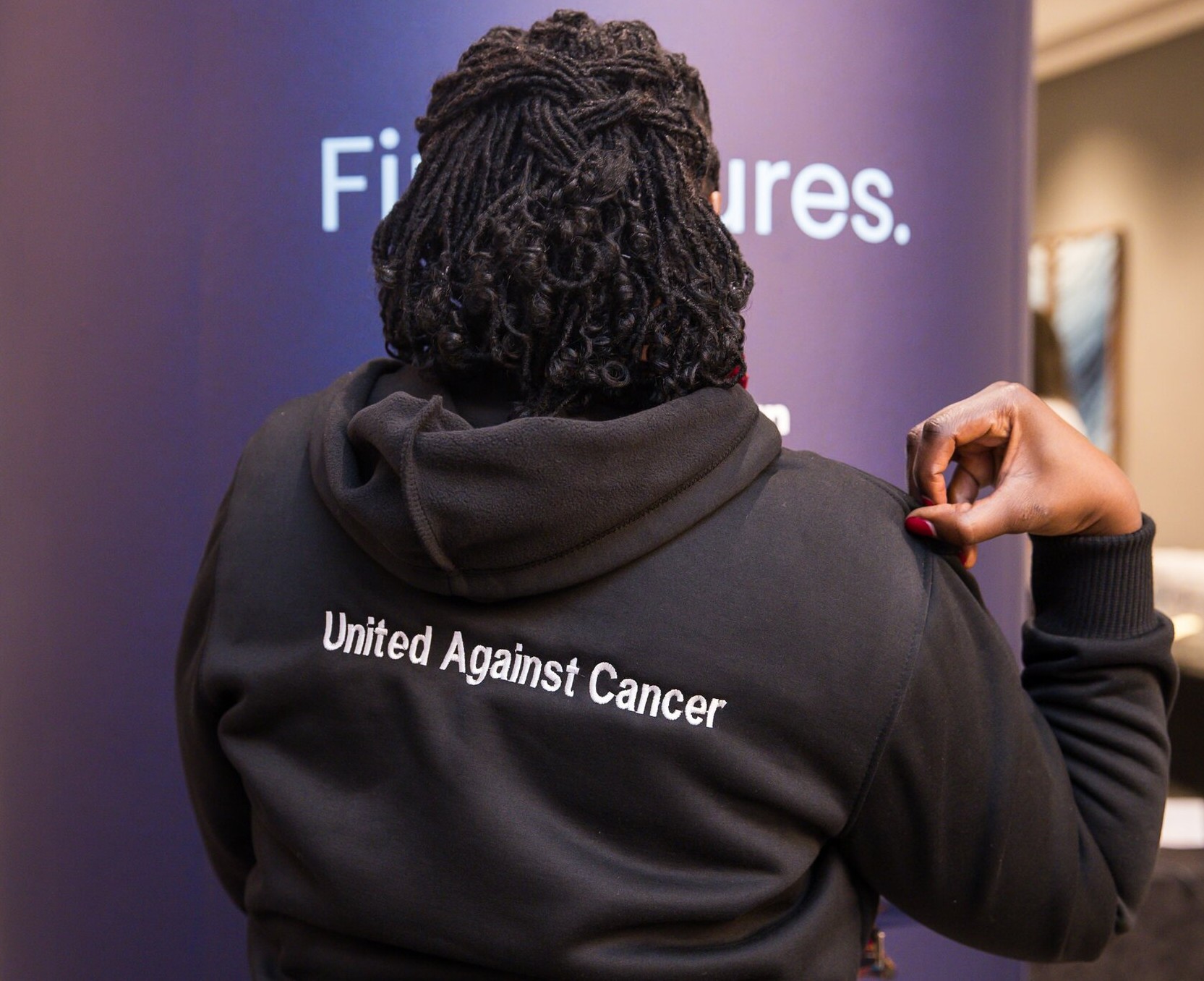
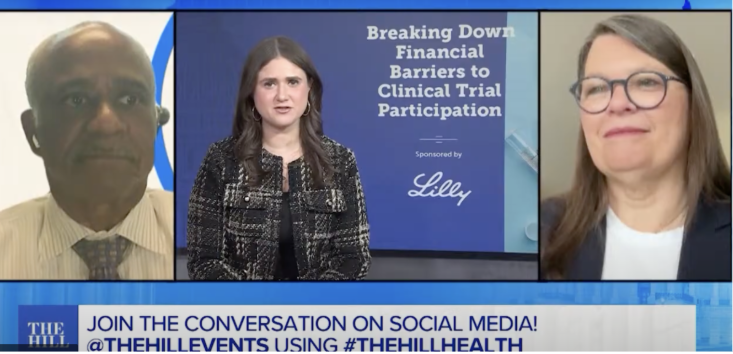
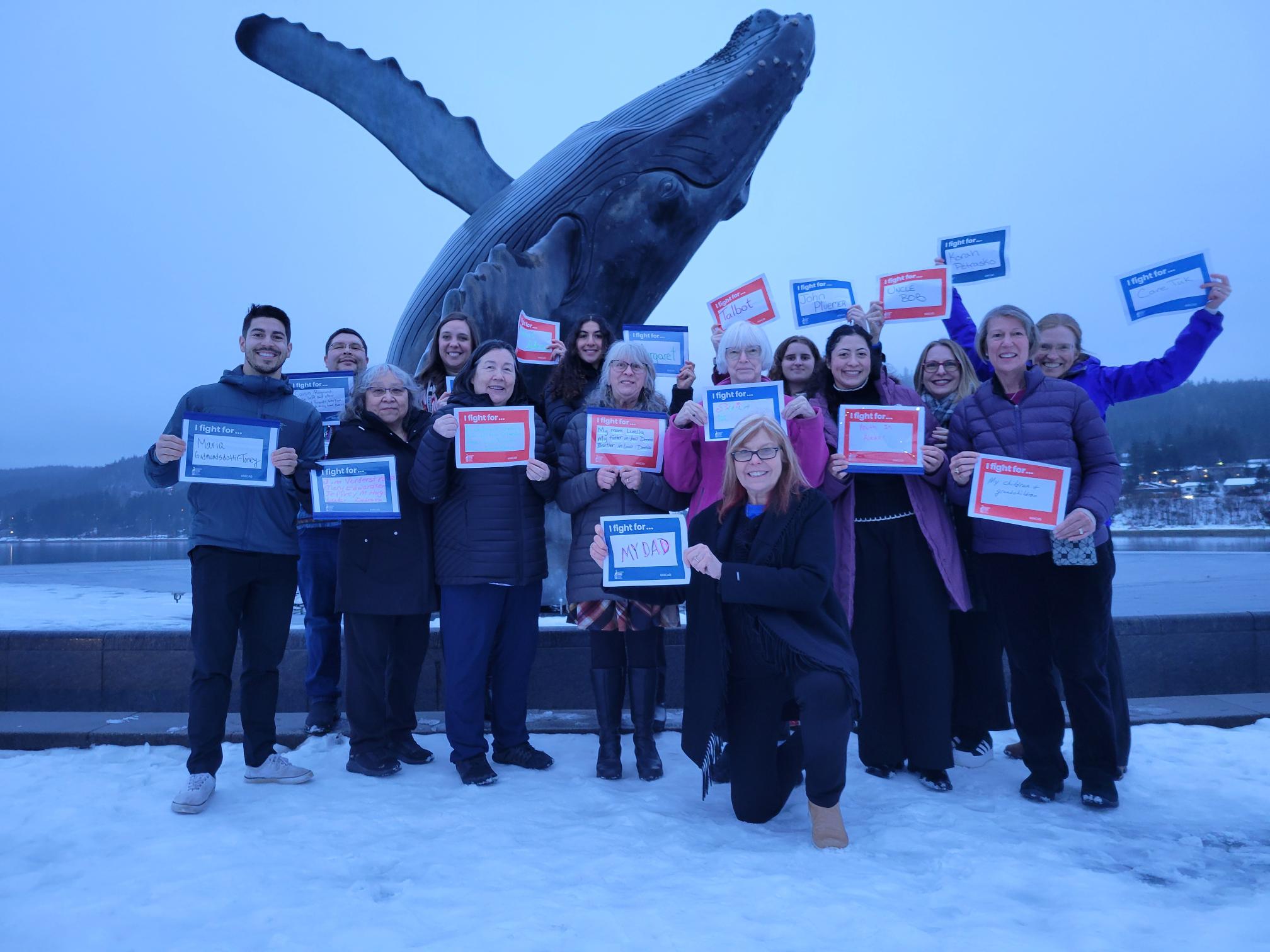
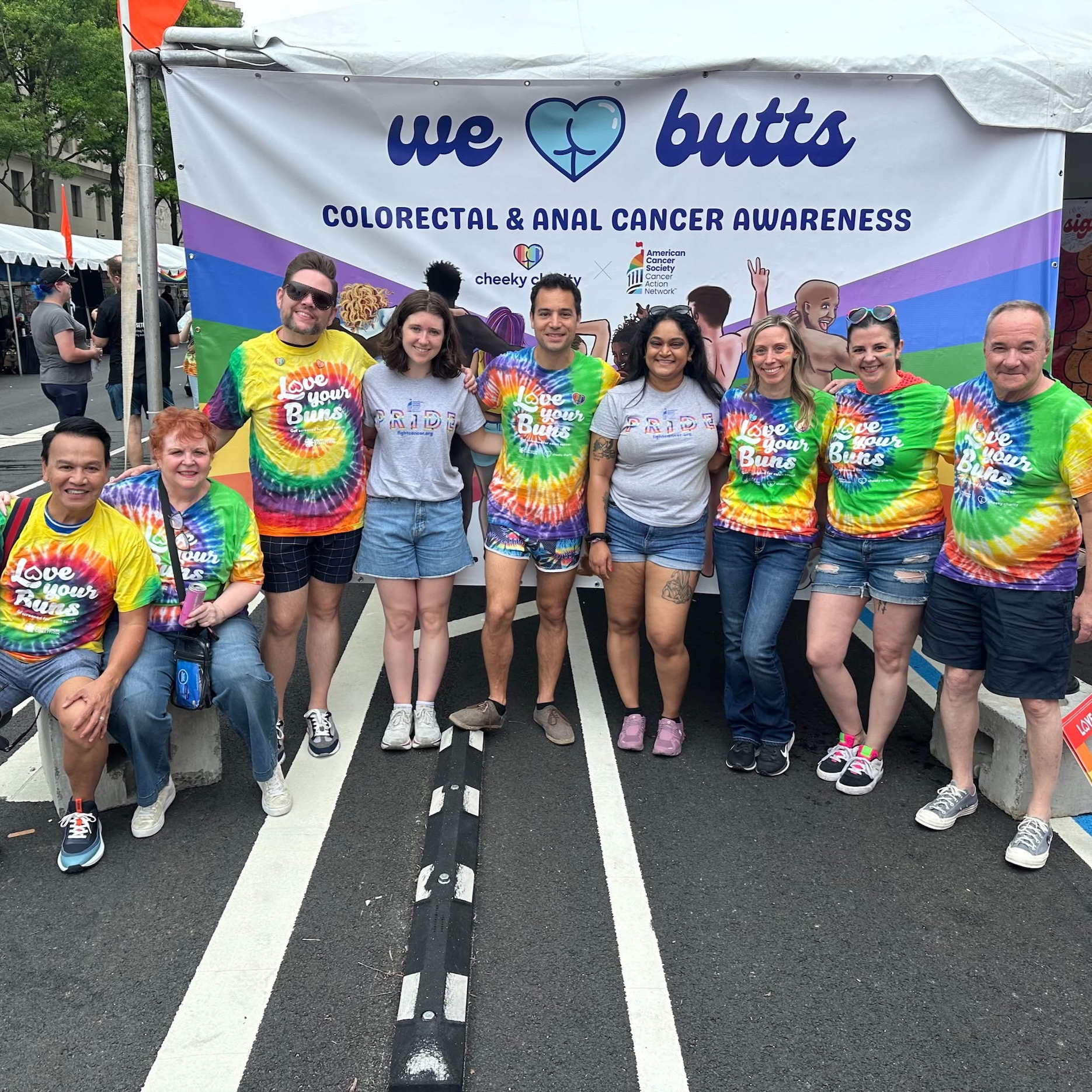
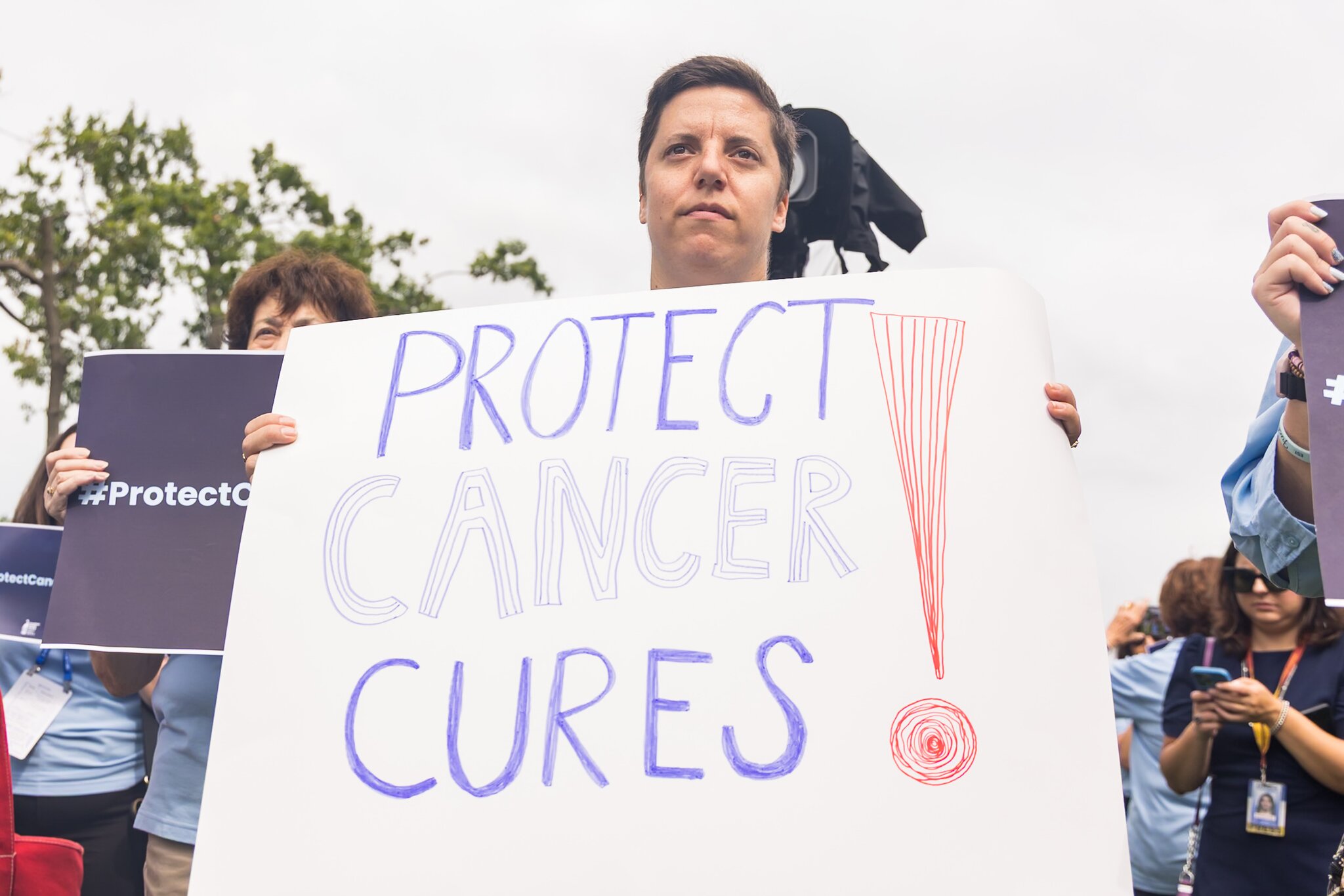
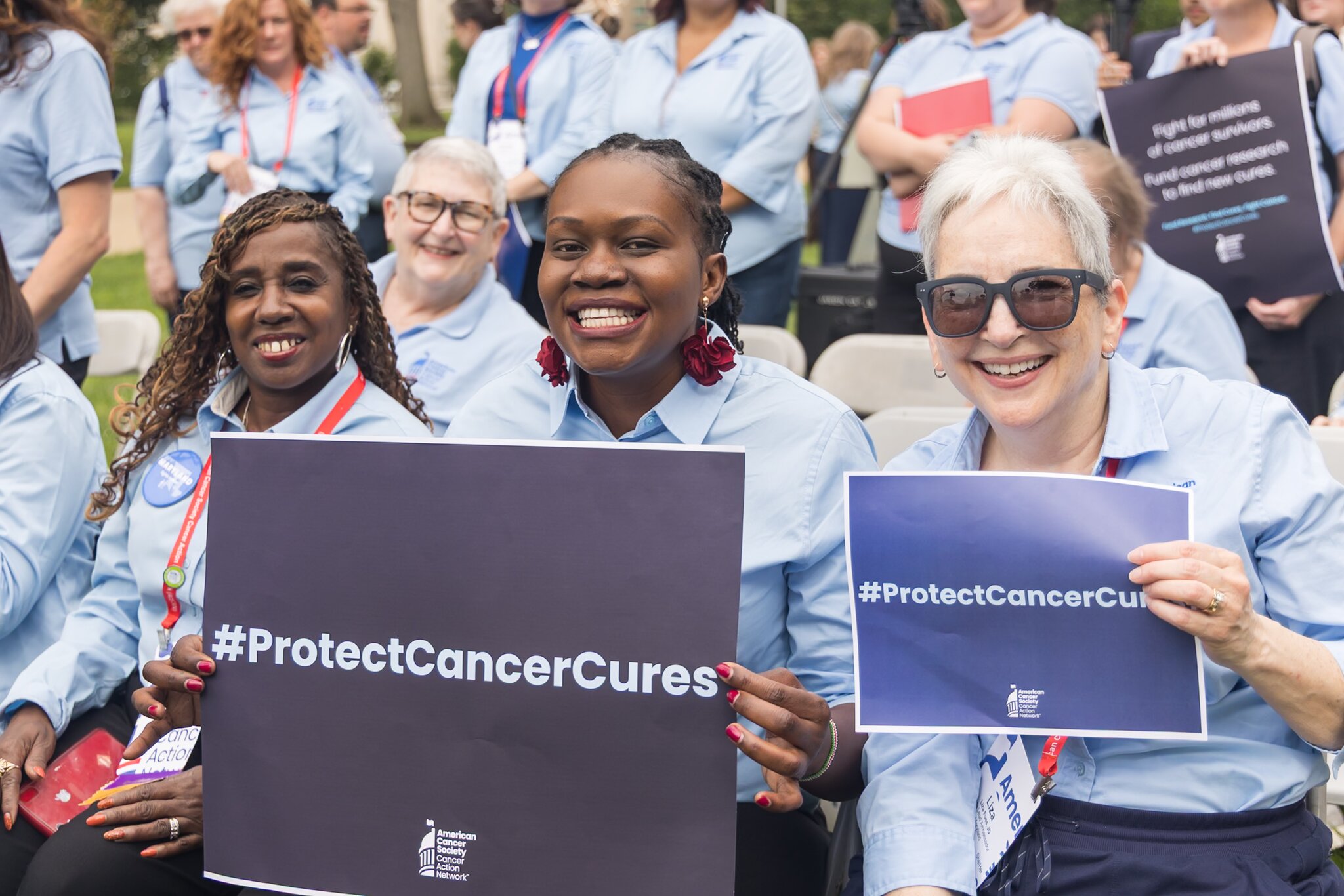
Through ACS CAN’s Protecting Cancer Cures campaign, we proudly elevated patient voices through our advocacy, making a tangible impact in influencing lawmakers to take the lead in protecting the nation’s critical cancer research infrastructure. We launched a powerful new website – Voices of Cancer Research – to highlight the personal stories of those impacted by cancer research and the consequences of funding cuts. One Voice Against Cancer Coalition (OVAC), a collaboration of over 50 national nonprofit organizations founded by ACS CAN that advocates for sustained cancer research and prevention program funding, also amplified advocacy activities throughout the year.
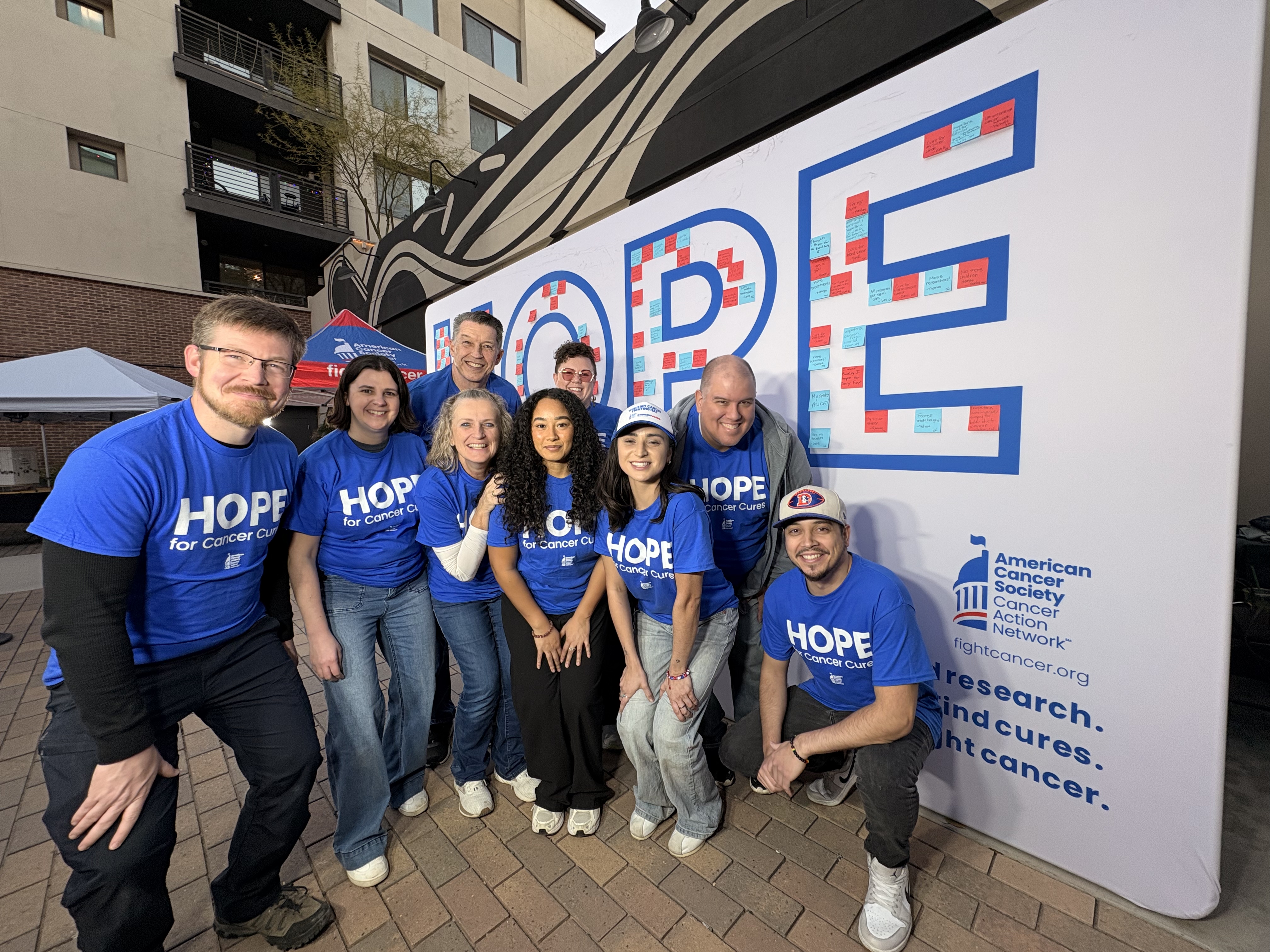
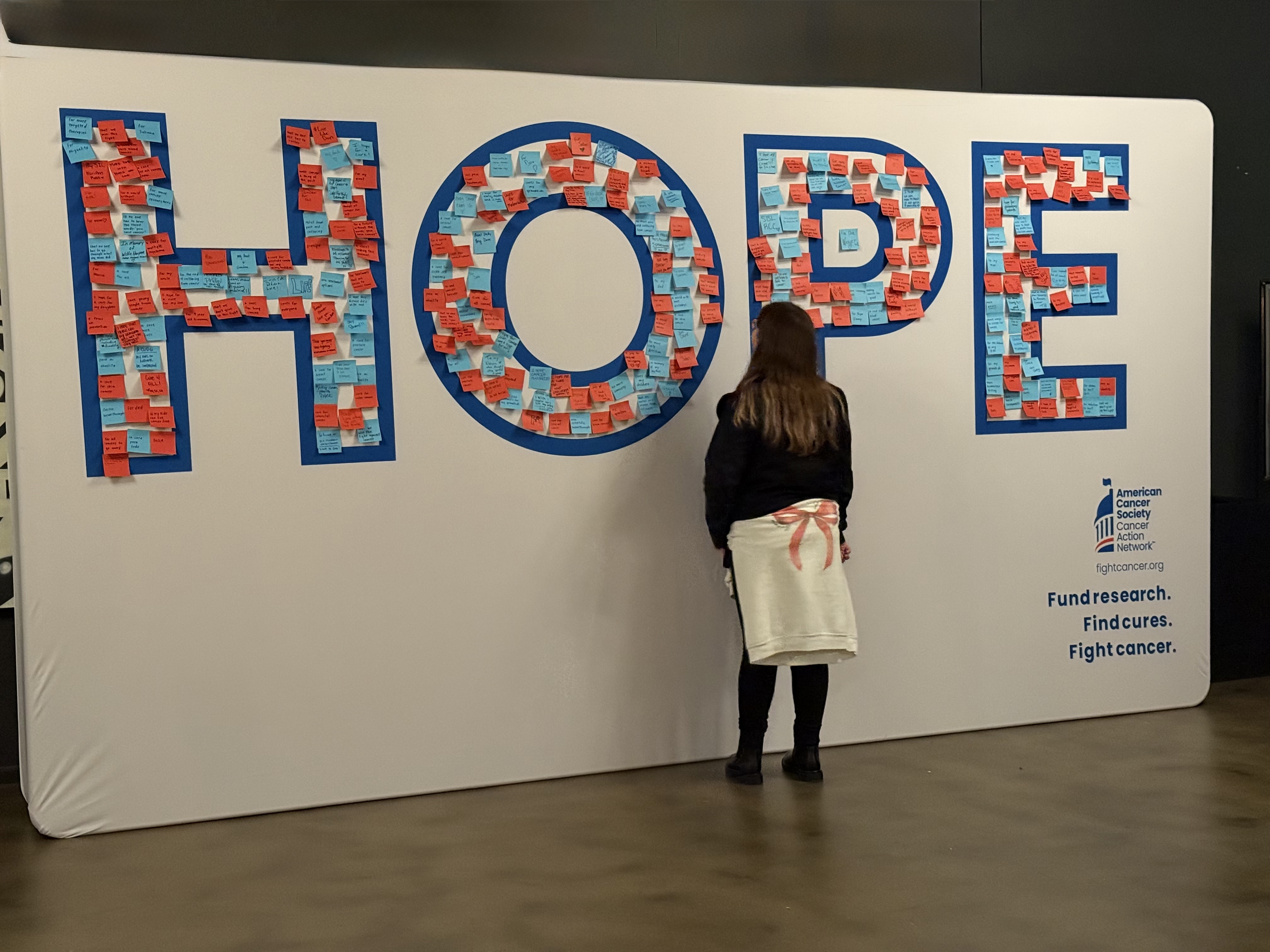
In December, advocates for the ACS CAN HOPE from Coast-to-Coast initiative visited four cities in Tennessee, California, Arizona and Florida to share our message that communities across the country are building HOPE for cancer cures. Supporters in Nashville, Miami, Phoenix and San Jose created an art installation by using sticky notes in 7-foot tall letters to spell out the word HOPE as a colorful testament to what can be done when Congress funds the fight against cancer.
ACS CAN’s collective and continued work ensured cancer patient voices were elevated in our efforts to protect and advance vital, mission-critical policies. We:
Annually, ACS CAN leads coalitions and partners with organizations to advance public health policies that benefit people impacted by cancer and other chronic diseases through joint lobby days, congressional briefings and sponsorship and expert participation in conferences and panels. The following are highlights of critical coalitions and partnerships in 2025:
Jose Buenaga
Connie Lindsey
Michael Marquardt
Scarlott Mueller
Philip R. O'Brien and Holly Forrestal O'Brien
Bruce and Baila Waldholtz
Dana Bernson and Rob Ridlon
Anderson & Kreiger
Akin
Baker Donelson
Dentons
Eversheds Sutherland
K&L Gates
Hogan Lovells
Kilpatrick Townsend
Morrison & Foerster
Wilentz Goldman & Spitzer
Zuckerman Spaeder
Cornerstone Government Affairs
Amgen
AstraZeneca
Blueprint Medicines
Bristol Myers Squibb
EMD Serono
Genentech
Genmab
GRAIL
Johnson & Johnson
Lilly
Merck & Co
National Comprehensive Cancer Network
Novartis
Pfizer
Pharmaceutical Research and Manufacturers of America
Regeneron
alignco
BeOne
Blue Cross Blue Shield Association
Exact Sciences
Exelixis
Fight Colorectal Cancer
Gilead Sciences
GlaxoSmithKline
HistoSonics
Ipsen Pharmaceuticals
Methodist Healthcare Ministries of South Texas
Moderna
Myriad Genetics
Novocure
Organon
Sanofi
Astellas
Bayer
Biotechnology Innovation Organization
Blue Cross Blue Shield of Alabama
Castle Biosciences
CellCentric
Eisai
Foundation Medicine
Fred Hutchinson Cancer Center
Freenome
Guardant Health
Lyda Hill Philanthropies
Roche Diagnostics
Takeda
UCLA Health System
AbbVie
AdvaMed
AdventHealth
Avoq
Baptist Health South Florida Miami Cancer Institute
Boca Raton Regional Hospital Lynn Cancer Institute
Canvas Foundation
CARTI
Dana-Farber Cancer Institute
Ergon, Inc.
Evergreen Social Impact
Florida Cancer Specialists & Research Institute Gainesville
Haselden Construction, LLC
KPMG
Maia Consulting
Maryland and District of Columbia Society of Clinical Oncology, Inc.
Massachusetts Biotechnology Council
Orlando Health Cancer Institute
Pannone, Lopes, Devereaux & O’Gara, LLC
Quest Diagnostics
Revolution Medicines
Servier Pharmaceuticals
Sidney Kimmel Comprehensive Cancer Center
Texas Capital Bancshares, Inc.
Texas Oncology
University of Colorado Anschutz Cancer Center
U.S. Pharmacopeia
Virginia Mason Franciscan Health – Seattle
Women & Infants Hospital
AIR Communities
Alaska Children’s Trust
Amica Mutual Insurance Company
Atrium Health
BD
Black Tongue Society
Blue Cross and Blue Shield of Minnesota
Bonterra
Chevron Phillips Chemical
Cogent Biosciences
Cornerstone Government Affairs
Daiichi Sankyo
Dallwig BrothersBuilding Supply, Inc.
Delta Dental of Washington
Entrata
Evans & Associates Construction Co., Inc.
Feibelman Foundation
Fidelity Charitable Gift Fund
GBU Financial Life
GCI Communication
Geisinger
Geneoscopy
Historic Clifton Mill
Horizon CME
IMA Financial Group, Inc.
King Street Properties
Kura Oncology
Landmark Medical Center
Legorreta Cancer Center at Brown University
Liberty Bank
Mass General Brigham
Morgan Stanley
Mount Sinai Hospital
Murray & Stafford
Northwell Health
ONE Group Hospitality, Inc.
Polsinelli Law Firm
PwC
Relay Therapeutics
S32
Sandoz
Siemens Healthineers
Spencer F. & Cleone P. Eccles Family Foundation
Tammy Stratman Brown Charities
Third Rock Ventures, LLC
Total Quality Logistics
University of California Davis Health
VCU Massey Cancer Center at VCU Medical Center
Winning Connections, Inc.
Jose Buenaga
Vince Marchetta
Philip R. O’Brien & Holly Forrestal O’Brien
Susan Penfield
Mike & Cheryl Shult and family
Dr. Richard Deming
Dr. Douglas Kelsey Jr. & Karen Kelsey
Lisa Lacasse & Bruce Lesley
Maureen Mann
John J. Manna Jr.
Scarlott Mueller & James Mueller
Dr. Omar Rashid
Gwendolyn Spencer
Pam Traxel
Baila & Bruce Waldholtz
Ace American Insurance Co
Jerre Allyn
America First Credit Union
Dr. Daniel “Stony” Anderson
Mark Anderson
Aspen Grove Capital
Cynthia Ballentine
Dana Bernson & Rob Ridlon
Stacey Betler
Kathleen Bond
Marc Borkan
Boston Medical Center
Gary Cohen
P. Kay Coleman & Janice Montle
Karen Connor
Consigli Construction Co., Inc.
Don & Jo Cope
Bill Dahut
Linda DeGarmo
Cynthia Dickson
Barbara & George Diver
Benjamin Egan
Remington Eonta
Dr. Mark Fleury
Dr. Douglas Flora
Fly High Management, LLC
FRONTIER Development, LLC
Dr. Mark Goldberg & Dr. Ursula Kaiser
Dr. Paul Hull
J. Calnan & Associates, Inc.
Shane Jacobson
Linda & Mel Katz
Jeff Kean
Grace Kurak
Michael Kurak
Unice Lieberman
Jeannine Marks
Massachusetts Society of Clinical Oncologists
Charles Matthau
Keith McCormick
McKesson
Melissa McLain
Leatha Merculieff
Dr. Karen Moffitt
Jim Murphy
Danyelle Musselman
Barbara Nickles
Carrie Peters
Point32Health
Erin Polak
Alice Pomponio
Ujwala Deshmane Rajgopal, MD, FACS, FICS
Jose Ramos Jr.
Gary Reedy
Ropes & Gray, LLP
Dr. Christy Russell
Marcy Savage
Sharon Shriver
Daniel Smith
Spyder Moving & Storage
Carter Steger
Gary Streit
Matt Sturm
Allison Jones Thomson
Dr. Alan Thorson
Robin Toft
Alex Tolman
Julie Turner
Brian Tyler
Vibrant Health & Wellness Center
Yale New Haven Health
Raymond Young
AARP Utah
Acrisure, LLC
Paul Adam
Aesthetic Plastic Surgery PC/NYBRA
Alaska Native Tribal Health Consortium
James Anderson
Mary Kate Anderson
Tina Atchison
Atrio Health Plans
Andy Aye
James Baker
BankNewport
Baptist Health
Alison Baranek
Joseph Barbetta
Carol Barton
Edward Bateh
Jessie Becker
Bedel Financial Consulting
Jocelyn Bernson
Dr. Michelle Blanco
Bloss Memorial Healthcare District
Eileen Boerger
Janice Boes
David Bonfilio
Bradley, Foster & Sargent, Inc.
Janet Bradshaw
Kathy Bridgeman
Gloria Brooks, MBA, RHIA
Marissa Brown
Bryant University
Jay Buckingham
Wes Buckner
Jacki Burleson
Nick Burns
Ali Buttar
Cathy Callaway
Campaign For Tobacco-Free Kids
Capitol City Group Ltd
Eugene Carver
Cary Medical Center
Matthew Chardavoyne
Cherokee Nation
Chi Eta Phi Sorority, Inc.
Katie Clark
Hillary Clarke
Tom Cline
Brian Cohen
Jenna Cohen
Norbert Cointepoix
Cold Springs RV, LLC
CommScope Holding Company
The Communication Center
Community Health Choice
Sandy Compton
Lois Conn
Pat Cookson
Roger Crawford
Alissa Crispino
Laurisa Curran
Edward Curtis III
Alenore Cusick
Billie Darkenwald
Andrea Davis
Norman Davis
Josh Deitel
Denali Oncology Group
Gerald Donovan
Joyce Doss
Elisabeth Drabkin
Denis Ducey
Dodi Emmons
Jamie Escoto
Jeff Fehlis
David Fenolio
Adriana Fernandez Clark
Emily Fica
Grace Filer
Brian Fitzpatrick
Heather Ford
Dr. Gerald Frye
Stevan Gates
Margaret Giruc DDS, PC
Shelly Glenn
Jim Grace
Graham Presbyterian Church
Kay Graven
Kimberly Green
Janet Grove
Guidehouse
Greg Haldeman
Megan Haley
Karen Haley-Dungan
Harvard Medical School
Hayden Homes, LLC
Jane He
Jonathan Heinlen
Marjorie Heinrich
Dr. Enrique Hernandez
Jay Hilao
Dr. Lourdes Hilao
Lorna Hill
Ron Hoff
Eunice Hostetter
Gabriel Iacono
Illinois CancerCare P.C.
Ingalls Shipbuilding
Iylon Precision Oncology
Vicki Jones
Dr. Arif Kamal
David Kaufman
Jennifer Keegan
Keesler Federal Credit Union
Cynthia Kellogg
Keudell Morrison Wealth Management, LLC
Kinghorn Law, LLC
Kristopher Kipp
Karen Klopp
Jim Knox
Toni Kratzer
Aaron Kusano, MD
Barbara Lawson
Lenartz Consulting, LLC
John Lewis
Josh Lindgren
Kimberly Lindgren
Thomas Long
Dr. Donna Lundy
M + R Strategic Services, Inc.
M Booth Health
Sara Mannetter
Dr. Ross Marchetta II
Jeff Martin
Esther Matassarin-Jacobs
Madison McCarty
McDermott, Quilty & Miller, LLP
Sharon McHale
Ruarai McKenna
Bryan McLaughlin
Kendra McLaughlin
Memorial Hermann HealthSystem
Andrew Merken
Moffitt Cancer Center
Natalie Monroe
Moonfall Theatre
Bonny Morris
Jim Murray
Julie Murray
Jennifer Newman
Pam Niese
Dr. Carol Nishikubo
NRG Energy, Inc.
Rebecca Oechsner
Bill Orcutt
Oregon Oncology Specialists
Organogenesis
Kathy Ottele
Pampered Chef
Deborah Pardue
Pearlman Meekin & Co. of Compass
Perry Undem, LLC
Sarka Petrbokova
Cynthia Pond
Maggie Powell
Professional Case Management
Barbara Prusak
Steven Prusak
PSA Airlines, Inc.
Public Opinion Strategies, LLC
Rapides Regional Medical Center
Red Threads, LLC
Rhode Island Medical Imaging, Inc.
RI Life Science Hub
Katie Riley
Richard Riley
The River Church, Inc.
Robert Half, Inc.
Ana Rocha
Johanna Rochat
Rockland Trust Company
Michael Rogers
Brandon Rosely
Angela Sailor
Salon Karen, Inc.
Allie Schaefer
Corey Schneider
Carol Schroeder
Joel Scott
Tara Scott
Evan Segal
ServiceNow, Inc.
Setter, Roche, Smith & Shellenberger, LLP
Dr. Ned Sharpless
Wendi Silverberg
Sioux Falls Canaries Baseball
Julie Skelton
Kirsten Sloan
Jason Smith
Social Investments
Richard Soll
Paul Stadfeld
Catherine Standiford
State Farm
Paul Steinke
Stephen A. Comunale Jr. Family Cancer Foundation
Stowe & Degon, LLC
Kathleen Sullivan
Raymond Sullivan
Summit Homes Ohio, LLC
Jennifer Swartz
Mustafa Tameez
Tarplin, Downs & Young
Tasteful Thoughts, LLC
Yves Tessier
Barbie Todd
Caroline Torres Maldonado
Jennifer True
True Guarnieri Ayer, LLP
UBS Business Solutions US, LLC
UF Health Shands
Utah Cancer Specialists
Valero Energy Corporation
Veterans of Foreign Wars of Ohio Charities
Veterans of Foreign Wars Post 3522
David Waldman
The Washington Trust Company
Lauren Weissman
Margaret Wessel
Shirley West
Western Farmers Electric Cooperative
Tom Wiedemann
Carolyn Williams-Goldman
Matt Wilson
Andrew Wingard
Dr. Karen Winkfield
Brant Woodward
Matthew Wracher
WVP Health Authority
Christine Yoder
Bethany Zell
Zeta Tau Alpha Boise State
Naomi Adler
Alaska Hospital & Healthcare Association
Alaine Anderson
Kaleo Angilau
Apollo Corp, Inc.
Nina Ariani
Lani Atkins
Audi Bedford
Kristi Auld
Fowobi Badejoh
Anita Bales
BancFirst
Bank of America Corporation
Janet Barker
Marcus Barlow
Christophe Baron
Phyllis Baum
Marci Baxter
Marissa Beasley
Jose Behar
Jeffrey Bennett
Denise Berard
Desiree Berenguer Carton
Christine Bernot
Bernstein Shur
Kathy Bingham
Bio Nebraska
Scott Birkhead
Joe Blanda
Andrew Boggini
Virginia Borges
Sarah Brandenberg
Lucinda Brannon Bazile
Kristy Bratten
Theresa Brilli
Veronica Brooks
Patrick Burns
Tricia Buskirk
Byers, Minton & Associates
Myung Byun
Sylver Calfo
Elizabeth Carde
Matt Carle
Gayle Carlson
Jill Carr
Jodi Carr
Kay Carrillo
Dr. Constance Carroll
Sandi Cassese
Mirelis Castilla
Chela’s Beer Garden, LLC
Jennifer Chikoyak
Darrel Choat
Michelle Conlon
Cathy Connor
Consumers National Bank
Patrick Corea
John Costa
Melissa Cox
Terry Craig
Dawn Crawford
Gail Crawford
Credit Union West
Hugh Cunningham
Rodger Currie
Lamarr Daniels
Linda Daschle
Bryan Davis
Jocelyn De Guia
Jovita De Guia
Victoria De La Huerga
Raul De La Torre
Sam DeAlmeida
Bart DeGregorio
Tamara Delph
Glenn DeSimone
Shelly DeZevallos
Connor Donahue
Thomas Donnelly Jr.
Leo Doyle
David Drabkin
Kim Drucker
Rebecca Duerre
Kari Dukai
Diana Dunkley
Warren Dunning
Ellen Elam
Hannah Eldredge
Vivienne Elliott
Don Enslow
J.P. Entrocassi
Damian Eonta
Jocelyn Espinoza
Esterline & Sons Manufacturing
Andrea Farahmand
Rhonda Ferrell
Gerry Fleisher
Mindy Flinn
Tom Flookes Jr.
David Ford
Maryjo Foseid
John Fowler
Diane Fraser
Keaton Gallagher
Michael Galles
Lori Garcia
Cheryl Gardner
Natasha Garrett
Crystal Garrick
Gates Foundation
Hilary Gee Goeckner
Jennifer Gerrits
Tyler Gilbert
Polly Gleichenhaus
David Glidden
Adela Gonzalez
Ever Gonzlez
Gordon Flesch Company, Inc.
Dr. Kathleen Goss
Naomi Gould
Michael Grady
Green Acres Landscape
John Greene
Jennifer Greenwald
Dr. Carmen Guerra
Holly Haga
Justin Hage
Kari Hampton
Jung Han
Rich Han
Myron Hardiman
Alexander Harding
Jennifer He
Health Services, Inc.
Heartland Bank and Trust Company
Carmon Hicks
Richard Hirko Jr.
Karen Hirschmann
Scott Holley
Holloway Updike & Bellen Engineering
Jennifer Holter-Chakrabarty, MD
Diana Hoover-Sulewski
Daniel Hopgood
Dana Hopkins
Bonnie Horstmann
Jacqueline Hoskins
Elizabeth Hottensen
Tony Howard
Timothy Hower
Huggins Insurance Services, Inc.
Nancy Humlicek
Fred Hussey
Tammy Hutchinson
Marcia Inman
Kendall Isenbarger
Lauren Izzo
Beth Johnson
Daniel Johnson
Mary Catherine Johnson
Miranda Johnson
Neil Jolly, MD
Barbara Jones
Terry Jones
Nancy Juliano
Jay Kalisky
Kay Kamm
Karen Kay
Patricia Kellerhouse
Adam Kemp
Kenansville Lions Club
Robert Kenney
John Killpack
Donna Kimberling
Thomas King
Stephen Klaber
Ian Kleckner
Eleanor Koeppel
Dr. Leslie Kohman
Kennedy Korpi
Kelly Kramer
Dr. Amit Kumar
Robert Kung
Peggy Laborde
Deborah Laclair
Louis LaGrande
Laura LaRose
Margaret Lau
Paige Laughlin
Michelle Lawrence
Vanessa Linegar
Hollis Linginfelter
Nancy Lugn
Brian Lynch
Jaclyn Madden
Dr. Rohan Maniar
Staci Mannion
Janet Marcantonio
Nicholas Marconi
Joanne Martino
Ryan Matej
Eileen McCabe
Traci McCausland
Misty McGillem
Ebony McKinley
Stephen McKinnon
Patrick McLean
Terrie McNally
Travis McNiven
Ted McQuade
Megan McVeety
Leticia Mederos
Marcella Meek
Melton’s Heating & Air Conditioning, Inc.
Randy Meyers
Miami Lakes Auto Mall
Paul Michaels
Larry Middle
Mark Miller
Marvin Miller
Gia Moody
Deborah Morris
Cheri Morrison
Jan Mount
Robert Muller
Michael Myers Jr.
Andrew Nadauld
Todd Nall
Jessica Nash
Henry Nassau
Joe Naylor
Elizabeth Nelson
Paul Neumann
Jamie Nielsen
Linda Niggli
Craig Norman
Randy Nornes
Northeast Shared Services
Gary Offerdahl
Irene Oh
Ohio Life Sciences
Ohio Masonic Home and Affiliated Organizations
Philip O’Neill
Sophia Palenberg
Dr. Michael Pellini
Michelle Pence
Lindsay Penn
Dr. Steven Perlman
Michael Peters
Natasha Petrovic
Cindie Pierce
Karol Plawsky
Tami Portela
Robert Prieto
Leah Pump
Thomas Pursel
Quality Home Health and Hospice
Brent Raap
Jason Ramos
Brad Rateike
Cory Recknor
Kael Reicin
Reser’s Cares
Sharon Reynosa
Rieth-Riley Construction Co., Inc.
Amanda Rigby
Will Ris
Dr. Carolann Risley
Mike Ritter
Jonathan Robinson
Ignacio Rosenberg
Dr. Allison Rossett
Lindy Roth
Marilyn Rouvelas
Allison Rubin
Jianna Ruggiero
Jean Ryan
Pat Salas
Salem Clinic PC
Salem Gastroenterology Consultants PC
Gabriella Sandoval
Elizabeth Schaefer
Beth Schartner
Jilliane Schroeder
Hans Schultz
Deb Seng
Sevenson Environmental Services, Inc.
Shottenkirk Hyundai Granbury
Shuman Rigging & Transport, LLC
Peggy Silbert
Rachel Simpson
Singing River Health System Foundation
The Sisters of St. Francis of Philadelphia
David Smalling
Darlene Smith
Ryan Smith
Matthew Sommers
Karin Sonkens
Nancy Sonkens
Betty Sparrow
Dr. Annie Spell
Spradlin Bros. Welding Co.
Gregory Stamm
Jennifer Stanford
Stephen Stessman
Mark Stocker
Silvia Strauss
Jane Streets
Dr. Liz Sutphen
Daryl Taylor
Dr. Eric Taylor
Rebecca Thomas
Daniel Tobin
Rose Tom
Dorothy Treffert
Bryan Turner
Union Grove Baptist Church
Valley Hospital
Kelly Vance
Melody Vandivere
Jennifer Volcko
Lisa Vorse
Jane Vulfs
Kitti Walkup-Birkhead
Christine Walton
Jim Weiss
Kate Weissman
Mary Wellinghorst
Roger Welsh
Nan Whitmore
Austin Wickham
Jason Williams
Susan Brock Williams
Alexander Wilson
Woeber Mustard Co.
Dean Woodward
Lindsey Wyckoff
X Bar
Emily Abney
Dr. Moustapha Abousamra
Matthew Adams
Adams Company, Inc.
Laverne Aldebes
Susan Alexander
The Hon. Noell Allen
Kyle Amey
Dr. Cheasty Anderson
Kelley Anderson
Margaret Anderson
Cindy Archer-Burton
Katherine Ashbrook
Bojana Askovich
Joanne Augustine
Brooke Austin
Ariel Avilion
Alexandra Babyak
Timothy Baechle
Trent Baggett
John Bailey
Banner Bank
Sherry Barrie
Jacqueline Beale
Barbara Behal
Tracey Belcher
Jessica Bensenhaver
Dr. Edward Benz Jr.
Betty Berger
Timothy Bergreen
Susan Bernard
Stacey Bernstein
Sandeep Bhatia
Michele Bloch
Nicole Bodnar
Deborah Bond
Amy Boortz
Patti Bossert
Richard Bounce
Mikala Bousquet
Michael Bovenzi
Gretchen Brandenburg
Jennifer Brase
Anthony Brooks
Geraldine Brooks
Tol Broome
Ashley Brown
Douglas Brown
Kendalle Brown
Dr. Kelly Buettner-Schmidt
Wendi Bundy
John Buntsma
Bridget Burns
Christian Burton
Grant Cale
Clay Callander
Craig Callen
Tanner Cameron
Gabriel Camps
Erica Carpenter
Pearl Carter
Marco Carvalho
Carlos Cata
Luke Cavener
John Chadam
Madhavi Challagulla
Dr. Stephanie Chapelliquen
Tess Chawi
Sharon Chicano
Chicken N Pickle – Henderson, Nevada
Carly Clukey
Carolyn Coatoam
Kaylyn Collier
Damien Coltey
Patrick Comfort
Renee Connolly
Shannon Conrad
Kyle Conroy
Cliff Cook
Linda Cookingham
Richard Cooper
Dr. Carol Coram
Gary Cornelius
Carey Cossaboom
Silliam Costin Jr.
David Coughlin
Miles Cowdry
Martha Cox
Crafted RVA, LLC
Dr. Richard Crepage
Steve Crider
Maria Cristy
William Cunningham
Kenzie Dahnert
Dr. Elvan Daniels
Angel Davis
Jack Day
Charlotte De Brabandt
Rex De Guia
Xavier DeCaire
Kelli DeJong
Abby DeLamotte
Richard DeLong
Tom Dempsey
Tressa Diaz, PhD
Michael Dibala
Nora Disis
Walter Ditlefsen
DLSMA Enterprises, LLC
Catherine D’Mello
Katie Doble
Neil Dorsey
Justin Doucet
Jerry Douglas
Lori Drew
Jill Drum Strouth
Amanda Dudley
Benjamin Dunkley
Patricia Dunn
Dr. Joel Dunnington
Louise Dussault
Roland Dutton
Marcia Earle
Early Falsom Properties
Anita Eerdmans
Marianne Ehemann
Angela Elia
April Emerson
Michelle Emura
Sarah Esterline Sampson
Caren Ewing
Michael Exl
Mike Eyerly
Anne Ezell
Karrie Fairbrother
James Fallon
Jim Fanning
Farmers State Bank
Ermal Faulkner
Skip Feeney
James Ferguson
Leslie Ferreira
Tara Fisher
Roger Flack
Kathy Flaherty
Jeff Flamm
Karen Ford
Phillip Ford
Robert Forsland
Annalee Foster
Scott Fox
John Frahm
Penny Fraley
David Frockt
Richard Froom
Karen Fude
James Fullerton
Kelly Fullerton
Brian Gaines
Nicole Ganem
Michael Gargano
Griselda Garibay
Maria-Luisa Gay
Mark Gay
The GG Mansion & Inn
Ashley Gibson
Emily Gibson
Brennan Gilbert
Russell Gillard
Dr. Gary Gilmore
Cynthia Ginestra
Michael Glaspie
Iris Gleason
Mark Goetzman
Wendy Gold
Brian Goldstein
Chelsea Gonzales
Alma Gonzalez
Maria Gonzalez Albuixech
Melissa Goss
Mindy Grabau
Kim Gratzer
Tim Gratzer
Thurston Gray
Blakeley Griffith
Kay Griffith
Rob Grilley
Andrea Guidry
Erin Haggerty
Ruthann Haider
Dawn Hallman
Deidra Hamilton
Cordell Hammond
Deborah Hansen
Madeline Harbour
Trista Hargrove
Laura Harper
Patricia Hartman
Hats By Parker Thomas
Arnie Havens
Onawa Haynes
Ruth Heineman
Karen Hemeon
Deanna Henkle
Terry Hennen
Susan Henry
Steven Hernandez
Byron Herrick
Mary Hess
Virginia Hintermeister
Andy Hite
Allison Holgate
Dani Hornstein
Jane Hottensen
Heather Houston
Jeffrey Huang
Kathleen Hughes
Lindsey Hughes
William Hull
David Hunt
Gary Huynh
Leigh Huynh
Marc Hymovitz
Denise Hynes
Jared Imbler
Deborah Jacobson
Wynn Janowitz
Christopher Jeffrey
Andy Jepson
Courtnay Johnson
Jane Johnson
Abby Jones
Cynthia Jones
Tara Jones
Dr. Madeleine Jordache
Mary Margaret Judy
Sandra Kaczur
Nick Kallergis Jr.
Margaret Kallunki
Emily Kalmer
Shiloh Kantz
Heather Kauffman
Douglas Kellogg
Emily Kelly
Mary Kemp
Marie Kennedy
Mareill Kiernan
Riguey King
Dr. Mitchell Klein
Linda Klosterman
Kaitlyn Koch
Valerie Koch
Kristian Koehler
Dee Koehnke
Jaeleen Kookesh
Sarah Kothe
Kendell Kraft
Karl Kramer
Emily Krupp
Melissa Kultgen
Kim Kushner
Brian Kyle
Christina Lambert
Jarrod Langhans
Michael Larche Sr.
Robin Lawless
Cristen Lawton
Cynthia Le Blanc
Bradley Lefaive
Beth Lewis
Ernest Lewis
Duane Lien
Clifford Liles
Ian Lock
Thomas Loftis
Naveen Lokesh
Reid London
Jennifer Lopatin
Mark Lopatin
Katharine Losavio
William Loui, MD, FACP
Bo Lu
Patricia Luber
Lewisa Lucero
Caitlin Lynch
Spencer Lyons
Jenna Macaulay
Jeffrey Mackeigan
Mary-Ellen Macksoud
Lisa Madigan
Jodi Magera
Jennifer Maggiore
Gena Maguire
Joseph Mahaney
Dr. Sam Makhoul
Karen Malcolm
Eimer Maldonado
Olivia Mannion
Marianne’s Solmate Socks
Andrea Marks
Bria Martin
Amy Martinez
Paige Martinez
Uri Martos
Joseph Mattingly
Bonnie May
Brenda McCain
Leah McCleary
Terri McClements
Paul McCoy
Marcia McCulley
Kelly McGonagil
Amy McGuire
Laura McIntosh
Bradley McKay
Dolores McKinney
Brett McLaren
Kerri Medeiros
Medtronic, Inc.
Randall Melton
Varsha Menon
Ashley Merritt
Mike Metzger
Jim Midtlien
Joan Miller
Mark Miller
Dave Mittan
Katherine Mobley
Philip Moilanen
Jean Monfort
Kathy Moore
Moore Group of Michigan, Inc.
Suhaill Morales
Katie Moreno
Cheryl Morrison
Amanda Mount
Max Mowry
Catherine Mueller
MWSLK Enterprises, LLC
Melanie Nakagawa
Mike Nassar
Dr. Laura Nathan
The Natural Pet Enrichment Center
Emily Naunheim
Richard Navarro
Charlotte Neale
Dr. Richard Nedelman
Nancy Neel
Brenda Nevidjon
Tan Nguyen
Julie Nickson
Stacey Noonan
Norwood Investments, LLC
Linda Nussbaum
Dr. Faith Nyong
Misty Oblak
Madeline Obler
Peter O’Connor
Kelly Ogurek
Ciaran O’Loughlin
Carrie Olson
Melissa Olson
Godwin Onukaogu
Rai Oshima
Hunter Otterson
Karel Oxley
Lakedra Pam
Paramount Restoration, LLC
Ron Pardo
Michelle Parrish
Kevin Pastoor
Brett Paulsrud
Greg Pemberton
Lisa Perlman
David Persons
Lynne Peters
Mary Petrichenko
Maddison Petrow
Dr. Marcus Plescia
PNC Foundation
Lynn Poferl
Margaret Polston
Haskell “Danny” Portee
Nicole Poulos
Shannon Powell
Joytika Prasad
Prime Business Advantage, Inc.
Tyler Prince
Cindy Pritchard
Pro Enterprises, LLC
Skye Proctor
Laurel Przybylski
Nickolas Radishofski
Wendell Rayburn Jr.
Real Chemistry, Inc.
Ronald Remsen
Rick Rhodes
Brie Ricciardi
Matthew Rice
Carol Ridlon
Cynthia Rivera
David Roberts
Joe Rock
Lawrence Rock
Mario Rodrigues
Dr. Estelamari Rodriguez
Donna Rogers
Scott Rollin
Emily Rollins
Carley Ross
Jenell Ross
Rosalind Ross
Hillary Rossi
Mary Rouvelas
Phil Rubin
Jordan Ruda
Frances Ruley
Robert Rush
Teresa Rutherford
Hassan Salem
Salesforce, Inc.
Dr. Linda Salinas
Sayeed Sanaullah
Anthony Sandusky
Lisa Sarbach
Dr. Carmen Sato-Bigbee
Jennifer Savard
Jeffrey Saxe
Christine Schaub
Elizabeth Schiff
Dr. John Schmitt
Kelli Schnieder-Williams
Shirley Schoeler
Danielle Scholz
Steven Schubert
Richard Schulherr
Paula Scoop
Tia Scott
Corey Seaman
Seaman-Pollard Family Restaurant, Inc.
William Sedoff
Christina Seeley
Julia Seremba
George Severson
Davang Shah
Sandra Shaw
Tracy Shaw
William Sherman
Steve Short
Roger Shubert
Rose Shulgay
Melanie Silvestri
Mike Simonton
Marlene Sincaglia
Mark Smith
Robert Smitson, MD
Robert Soles
The Springfield Cemetery Association
Dr. Walter Stadler
Maria Stanley
Peter Steele
Ken Stoll
Colson Stout
Ann Strohl
Steven Stuckey
Paula Sullivan
Alexander Sutton
Anthony Suy
Ken Svendsen
Paul Sylling
Michelle Szoke
Judy Szymczak
Timshel Tarbet
Tely’s Chinese Restaurant
Brian Tenney
Alisha Thoburn
Dennis Thomann
Kristin Thomas
Rebecca Thomas
Heather Thompson
Tina Thompson
Alissa Thomson
Barnes Thornburg
Dave Thornton
Amber Tierce
Joshua Todd
Christopher Tokin, MD, FACP
John Tramontin
Andrew Tran
Judy Tutela
Cynthia Vander Poel
Chris Vandivere
Heidi Varner
Nandana Velayudhan
Juan Villalobos
Pierre Vogelbacher
Michael Vrchota
Annette Vrolyk
Jessica Wagner
Stephanie Walkup-Birkhead
Becki Ward
Monicia Ware
Watkins Construction and Roofing
Ann Watts
Dr. Michael Weishaus
Cassandra Welch
Ronald Welch
Esperansa Wells
Deborah Werner
Karen Wernli
West USA Realty (Gilbert Office)
Michael Whouley
Betty Wickline
Terra Willhoit
Candy Williams
Emily Williams
James Williams Jr.
Katherine Wilson
Vanessa Windham
Robert Wohlgemuth
Brian Wolf
Barbara Wood
Stephen Woodhead
Ann Woods
Chase Wright
Julie Wrigley
John Yadlosky
Garrett Yau
Margaret Yuen
Manuela Zigarlick
Brad Ziker
Zinpro Corporation
The following individuals and organizations also played an important role in making 2025 a highly successful year for ACS CAN. We extend our heartfelt thanks to those not specifically named, as this list is not exhaustive, and to the colleagues we said goodbye to in 2025. Please know that your contributions were valued and truly appreciated.
State Lead Ambassadors
Ambassador Constituent Teams
National Ambassador Team
ACS CAN Team Members
American Cancer Society Team Members
ACS CAN Board of Directors
The House Cancer Caucus
The Senate Cancer Coalition
ACSí Se Puede Hispanic/Latino Advocacy Alliance
The Asian American & Pacific Islander Volunteer Caucus
The Black Volunteer Caucus
The LGBTQ+ & Allies Engagement Group
The ACS CAN Young Leaders Caucus
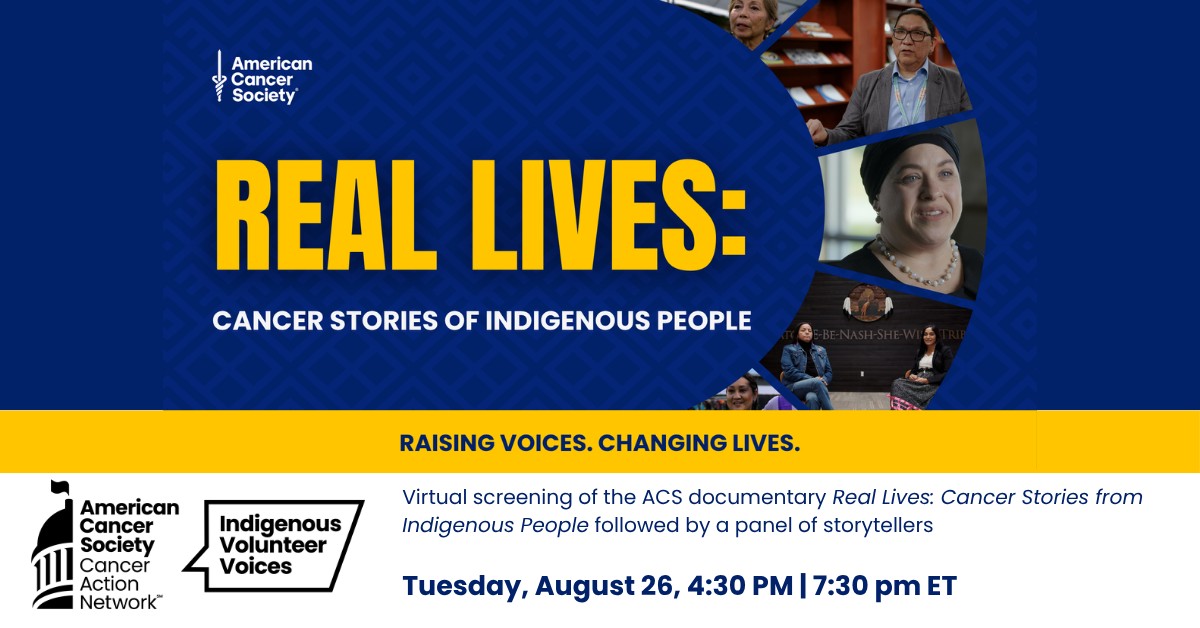
The Indigenous Volunteer Voices
ACS CAN’s efforts are supported by the work of attorneys who donate their time, services and specialized expertise as part of the Judicial Advocacy Initiative (JAI) to help advance our mission. Thank you to these individuals.
ACS CAN recognizes exceptional volunteers, team members and elected officials throughout our annual Leadership Summit & Lobby Day.
The National Distinguished Advocacy Award (NDAA), which is ACS CAN’s most prestigious advocacy honor, is awarded to public officials for leadership in the mission to end cancer as a public health problem. The 2025 NDAA recipients were:
Representative Diana DeGette (D-CO)
Senator Thom Tillis (R-NC)
Volunteer Award for Excellence in Advocacy (VAEA)*
Bernie Jackvony, Rhode Island
State Lead Ambassador (SLA) of the Year
Vince Marchetta, Ohio
Ambassador Constituent Team (ACT) Lead of the Year
Jung A Han, Massachusetts
Beth Parker, Washington
Mary Kost, Indiana
Young Leader Award
Dr. Marina Watanabe, Massachusetts
State Advocacy Team of the Year
Indiana
*The Volunteer Award for Excellence in Advocacy, ACS CAN’s highest honor for volunteers, is presented annually to exemplary volunteers in recognition of outstanding leadership and continuous service in the area of advocacy and public policy.
ACS Partner of the Year:
Krista Kirksey Thomas, Associate Director, Community Partnerships
Field Government Relations Professional of the Year:
Susan Harbin, ACS CAN Senior Director for Government Relations, Florida
Field Grassroots Professional of the Year:
Tim Freeman, ACS CAN Senior Grassroots Manager, Missouri
National Professional of the Year:
Leslie Ferreira, ACS CAN Director, Grassroots Alliances – Health Equity
Dave Woodmansee Award for Excellence*
Mark Anderson, ACS CAN Vice President, Regional Advocacy
*In honor of longtime ACS CAN State and Local Campaigns Director David Woodmansee, who passed away in 2019, this award is presented to a team member who has consistently demonstrated outstanding leadership and excellence in the areas of advocacy and public policy.
Join us. Because we can't end cancer as we know it for everyone without your help.